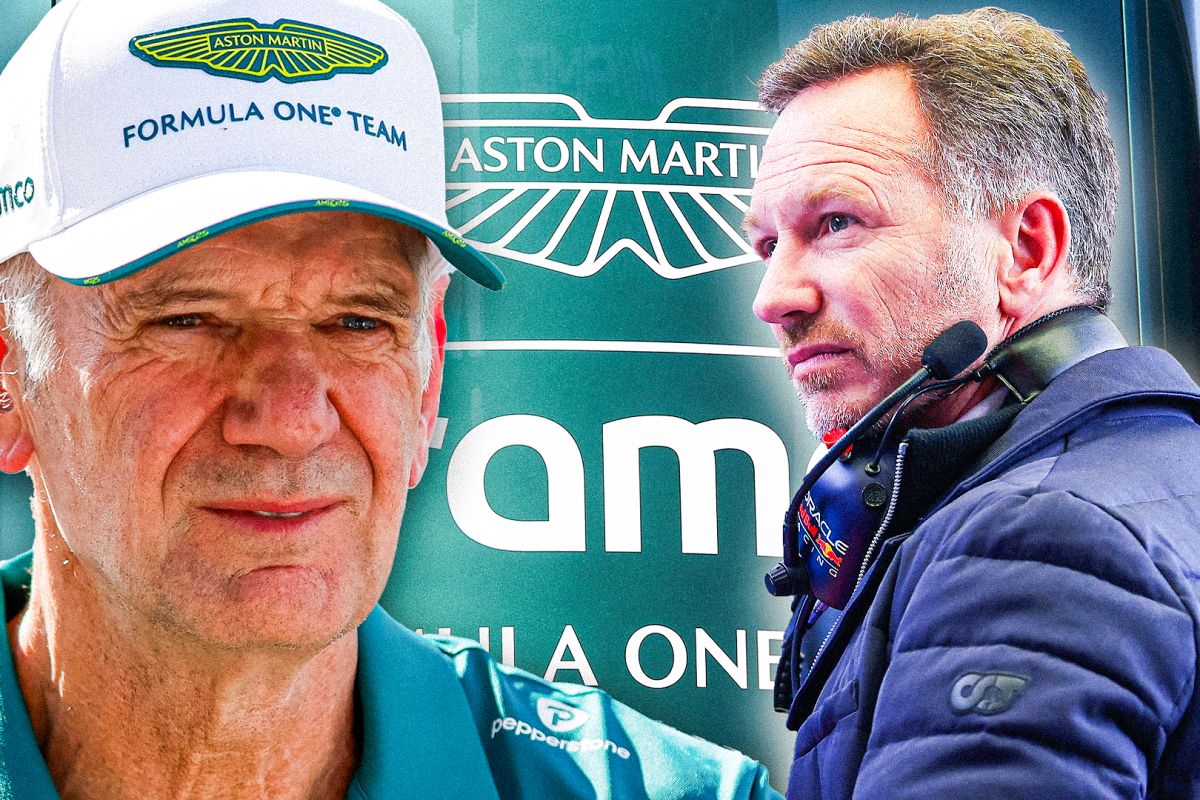
Why a Horner–Newey Reunion Could Spell Trouble for Aston Martin
At first glance, the idea of Christian Horner and Adrian Newey reuniting at Aston Martin sounds like the kind of blockbuster partnership that could transform the team into a title-winning powerhouse. Together, the duo engineered a golden era at Red Bull, collecting eight drivers’ world championships and six constructors’ titles. So why wouldn’t Aston Martin want that magic sprinkled over their 2026 project?
Because, as appealing as the headlines look, the reality behind such a reunion may be far more complicated—and potentially damaging—for Aston Martin’s long-term ambitions.
Aston Martin’s Leadership Rumours and Horner’s Shadow
The rumour mill kicked into overdrive after the Las Vegas Grand Prix, when BBC Sport suggested that Aston Martin were preparing to remove Andy Cowell as team principal and CEO. Even more striking was the report that Christian Horner—fresh from his Red Bull exit—was being considered as Cowell’s replacement for 2026.
Aston Martin quickly shut down the speculation, telling GPFans they would not “engage in rumour or speculation” and were fully focused on finishing the 2025 season strongly. But the rumours refused to die down.
Horner’s fall from grace at Red Bull was one of the biggest stories of 2024. After two decades leading the team, he was removed in the summer and replaced by Laurent Mekies. This followed a turbulent year overshadowed by allegations of inappropriate behaviour (which he was ultimately cleared of) and a dramatic internal war involving senior Red Bull figures—most publicly, a feud with Jos Verstappen, father of the reigning champion Max Verstappen.
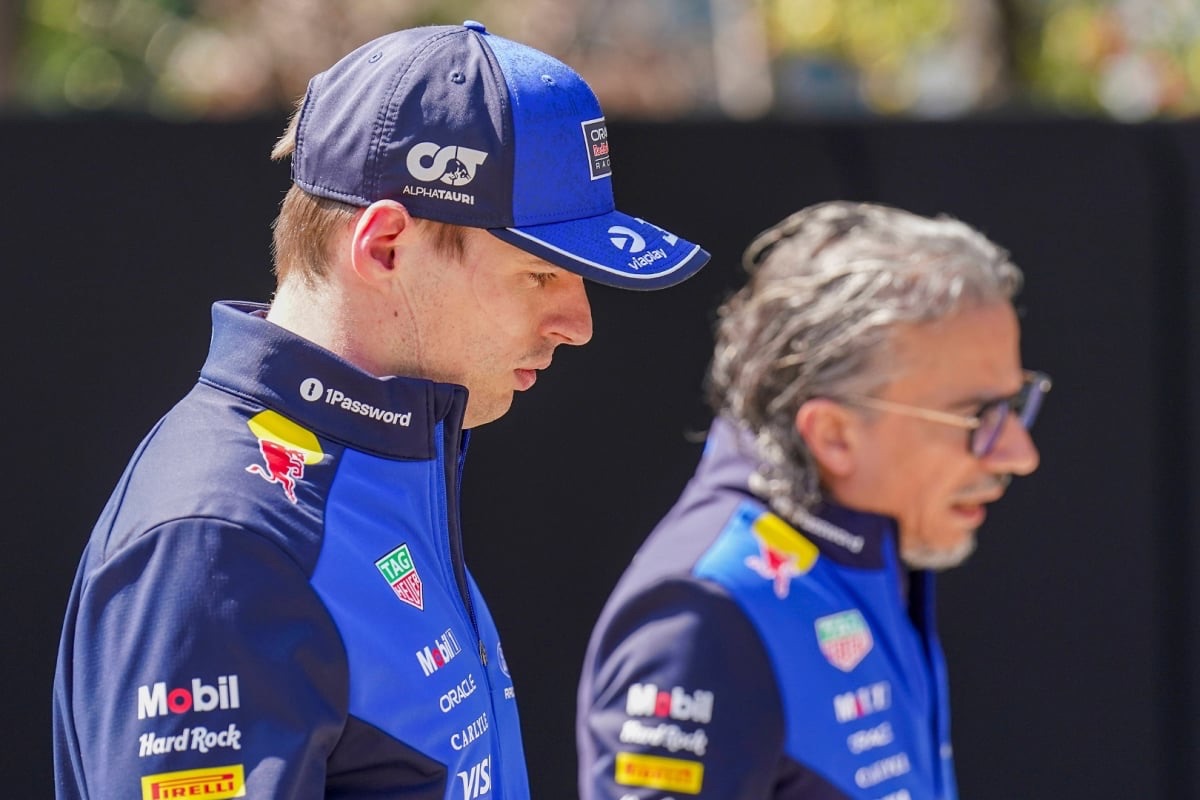
During that same period of Red Bull unrest, Adrian Newey walked away from the team he had helped build into a juggernaut. His switch to Aston Martin as Managing Technical Partner was one of the most significant moves of the decade, signaling the Silverstone outfit’s ambition to become genuine championship contenders under the new 2026 regulations.
But could Aston Martin really afford to reunite Horner and Newey—two men rumoured to have fallen out behind closed doors?
A Reunion Built on Cracks?
Reports from within the paddock last year suggested that tension between Horner and Newey contributed to the legendary designer’s decision to leave Red Bull. Meanwhile, fresh speculation has emerged that Newey and current team boss Andy Cowell have had disagreements about Aston Martin’s direction.
If Aston Martin were indeed looking to replace Cowell because of differing views with Newey, it raises an obvious question:
Why bring in someone Newey is also rumoured to have clashed with?
From an outside perspective, it looks like a recipe for disaster. Too many strong personalities, too much history, and too many opportunities for internal power struggles. The Silverstone outfit already operates in a high-pressure environment, driven by team owner Lawrence Stroll’s unrelenting pursuit of success. Throwing Horner into the mix—alongside Newey, Stroll, Fernando Alonso, and the incoming Honda partnership—could destabilise rather than strengthen the operation.
Still, Stroll is a man who thinks in terms of victories and championships, not comfort and harmony. If he believes Horner and Newey can recreate their once-unstoppable partnership, he might be willing to take the risk, egos be damned.
The Verstappen Question
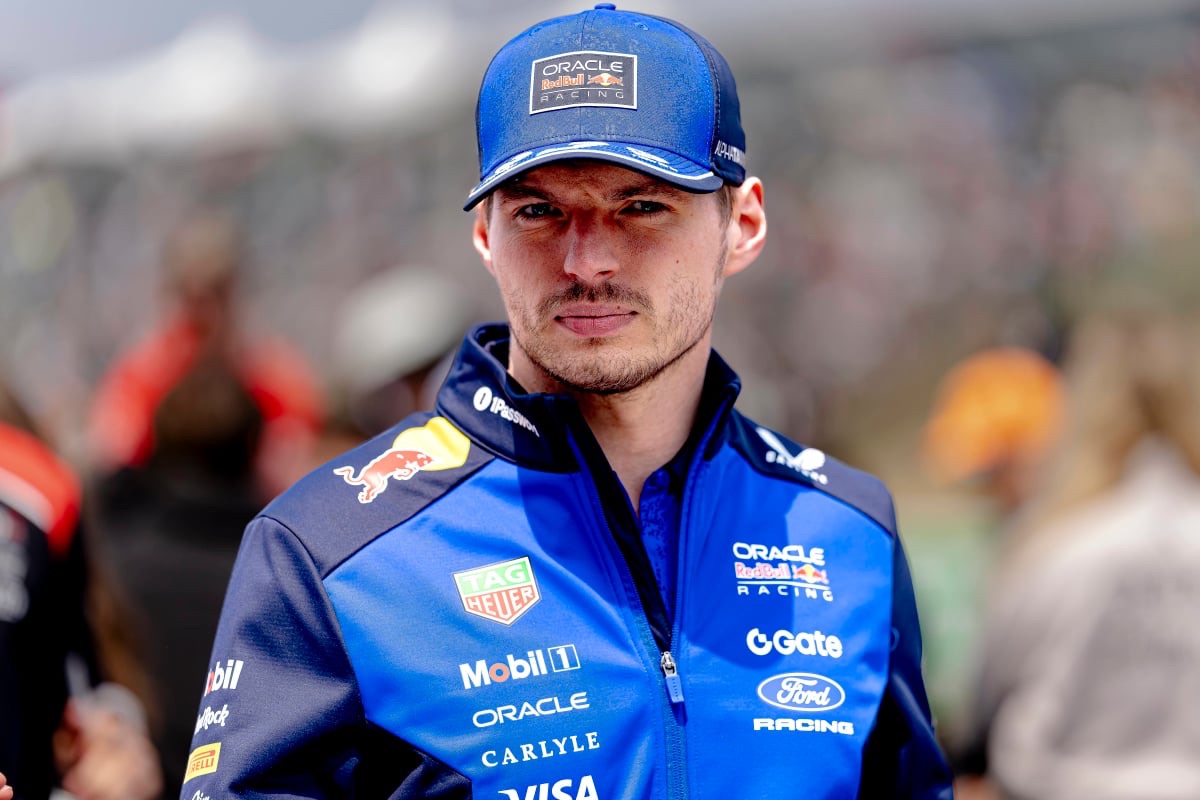
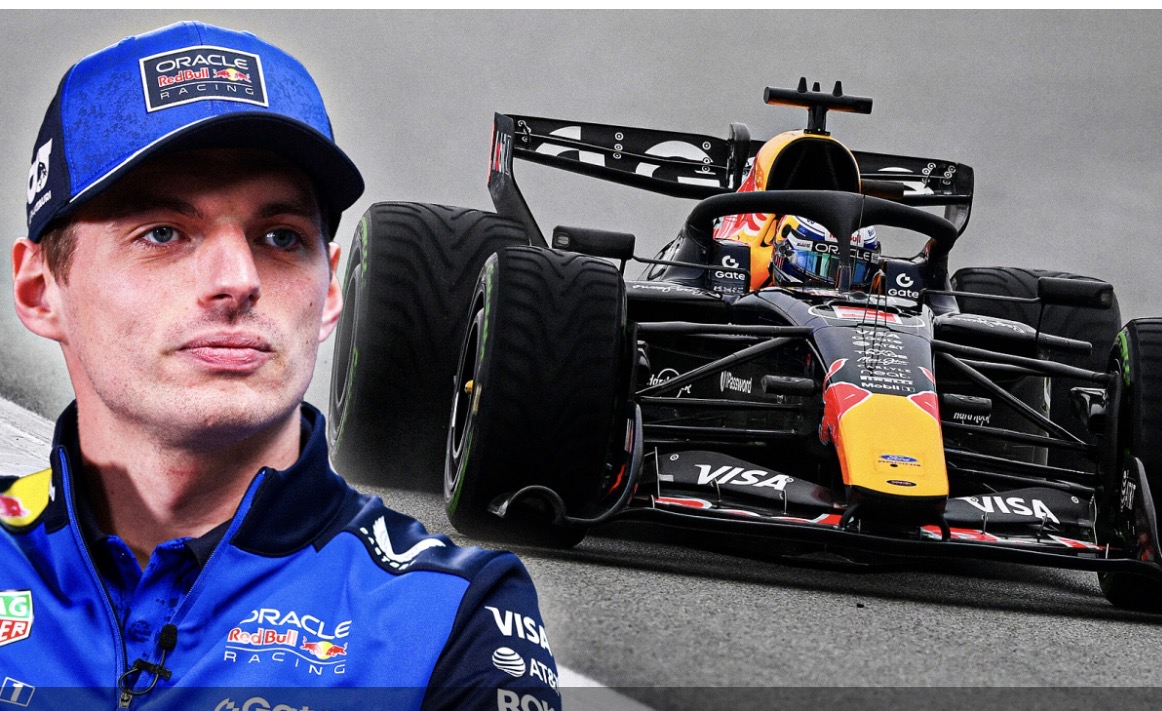
Even if Aston Martin somehow managed to smooth over past conflicts and unify Horner and Newey behind a shared vision for 2026, there is another complication: Max Verstappen.
The Dutchman is widely expected to become available for 2027—unless Red Bull deliver a dominant car under the new engine regulations. Both Fernando Alonso and Lance Stroll’s contracts expire at the end of 2026, meaning Aston Martin will have room to make a blockbuster signing.
But would Verstappen be interested in joining what might effectively become “Red Bull 2.0”?
On paper, a team featuring Newey’s designs and Horner’s leadership looks like a dream destination for any driver. But Verstappen is not just any driver. He is a triple world champion looking for a project that matches his legacy, ambition, and independence.
If he leaves Red Bull, he will do so for one of two reasons:
To seek a fresh challenge at a historic giant like Ferrari or Mercedes, where he can forge a new legacy.
To find a team fully geared toward the future, not one built on a recycled version of his past environment.
Aston Martin, even with Horner and Newey, would offer neither. It would instead present a familiar structure under a different badge. Verstappen is unlikely to be enticed by a team that looks like a nostalgic replica of something he has already outgrown.
A New F1 Era Requires New Thinking
The 2026 regulations will usher in one of the biggest rule changes in modern Formula 1, with radically different power units, aerodynamic concepts, and development priorities. Success will not be guaranteed by simply reviving a past partnership—even one as legendary as Horner and Newey’s.
Aston Martin need innovation, unity, and forward-looking leadership. Reassembling an old empire may not deliver that.
If the team tries to copy-paste the Red Bull formula of 2023, they risk missing the creative overhaul required for the new era—and risk driving away the type of star drivers they hope to sign.