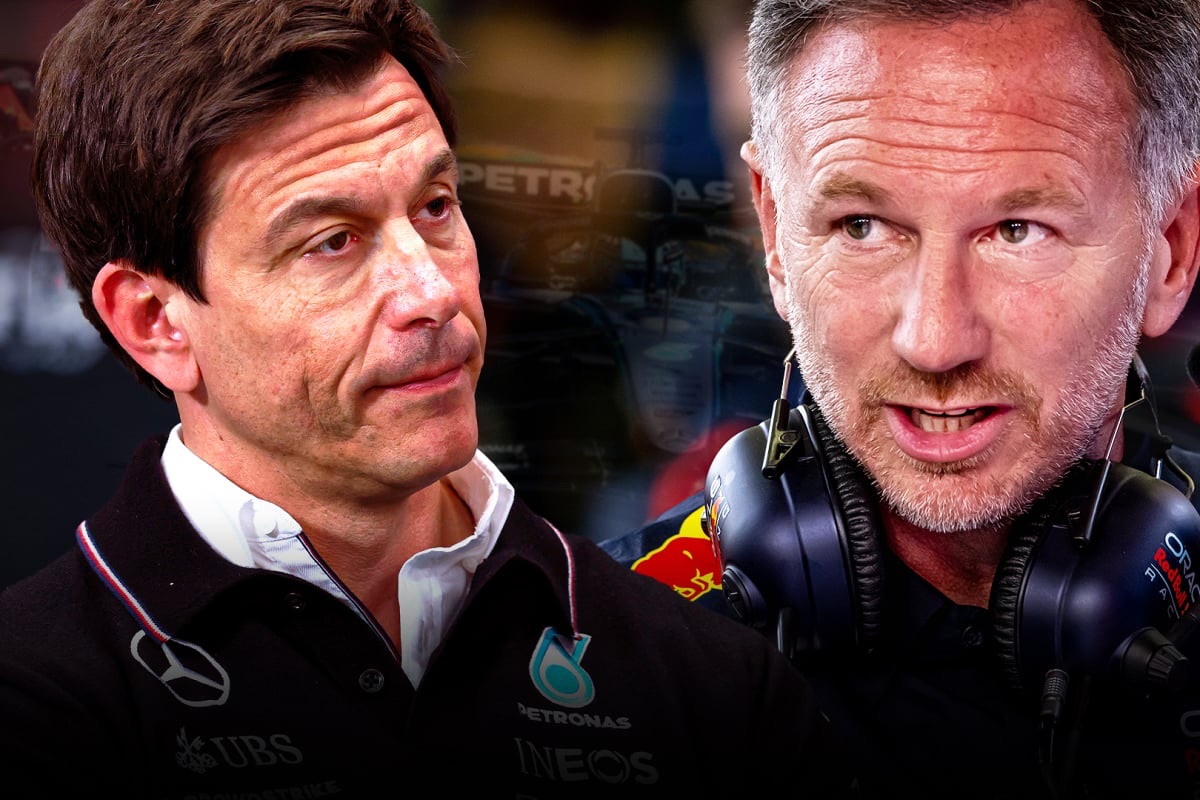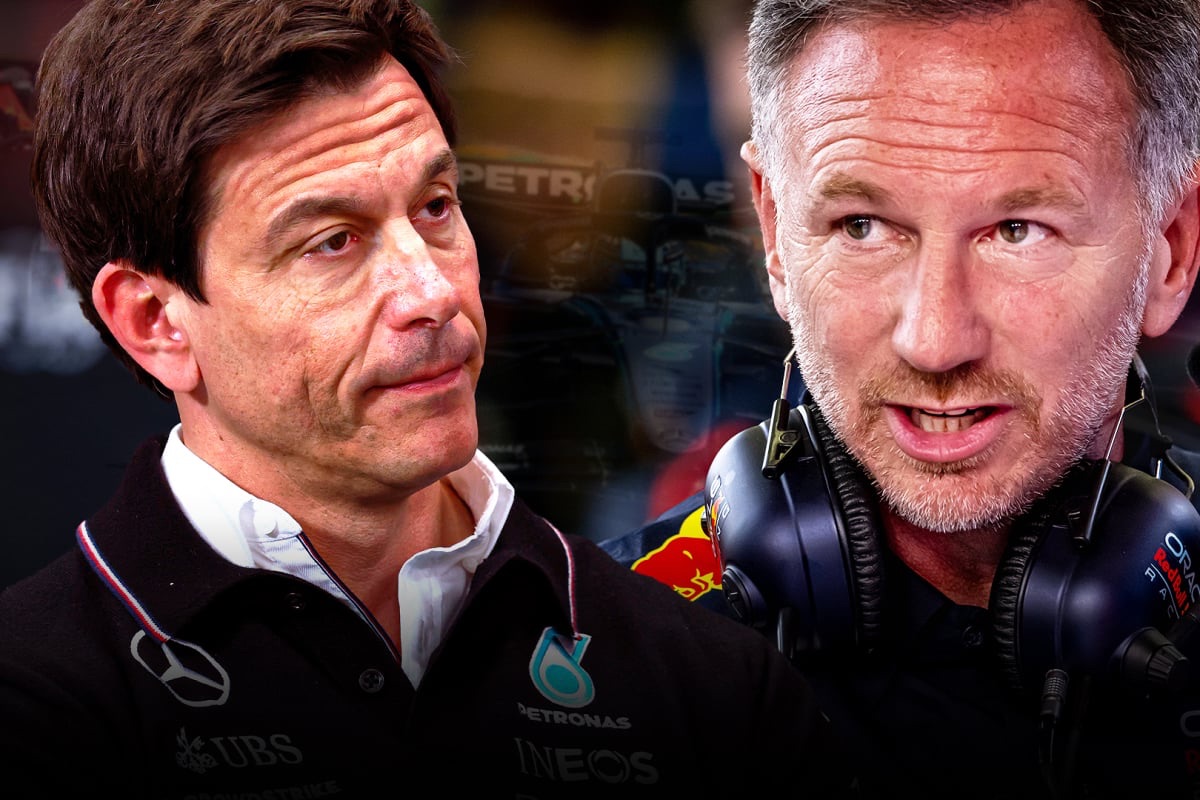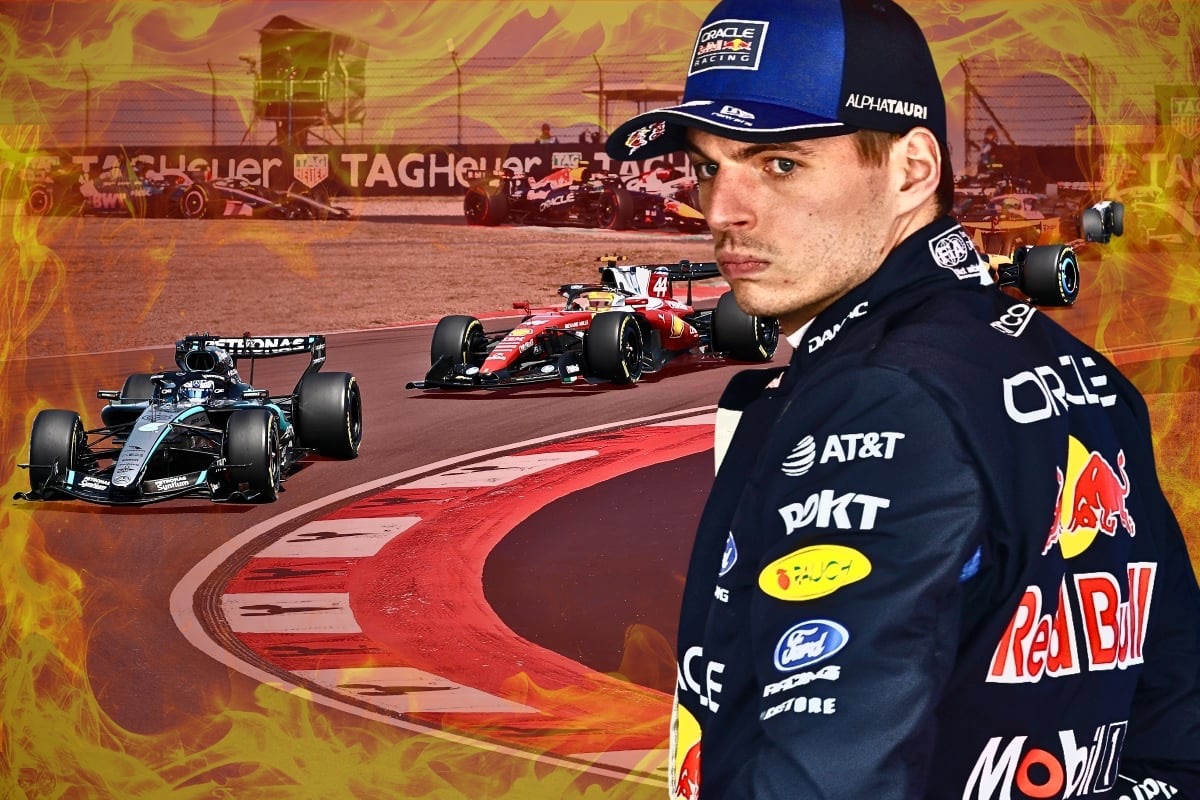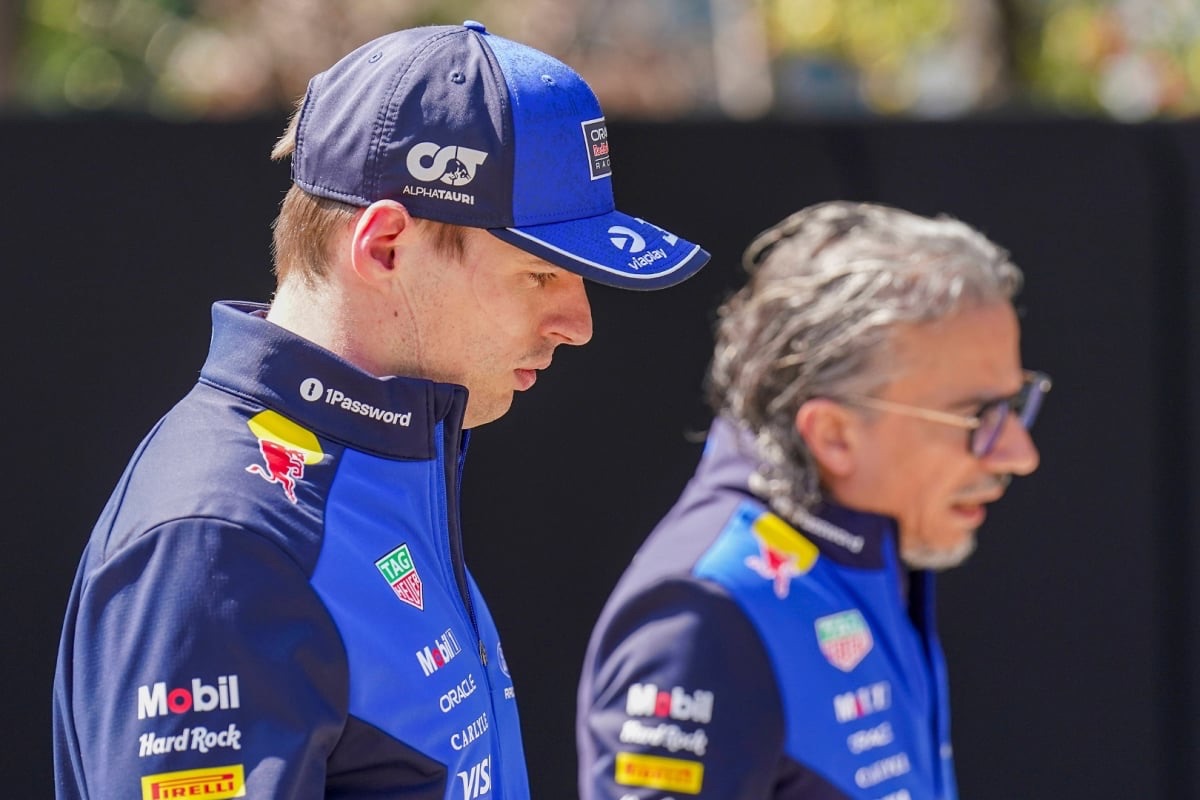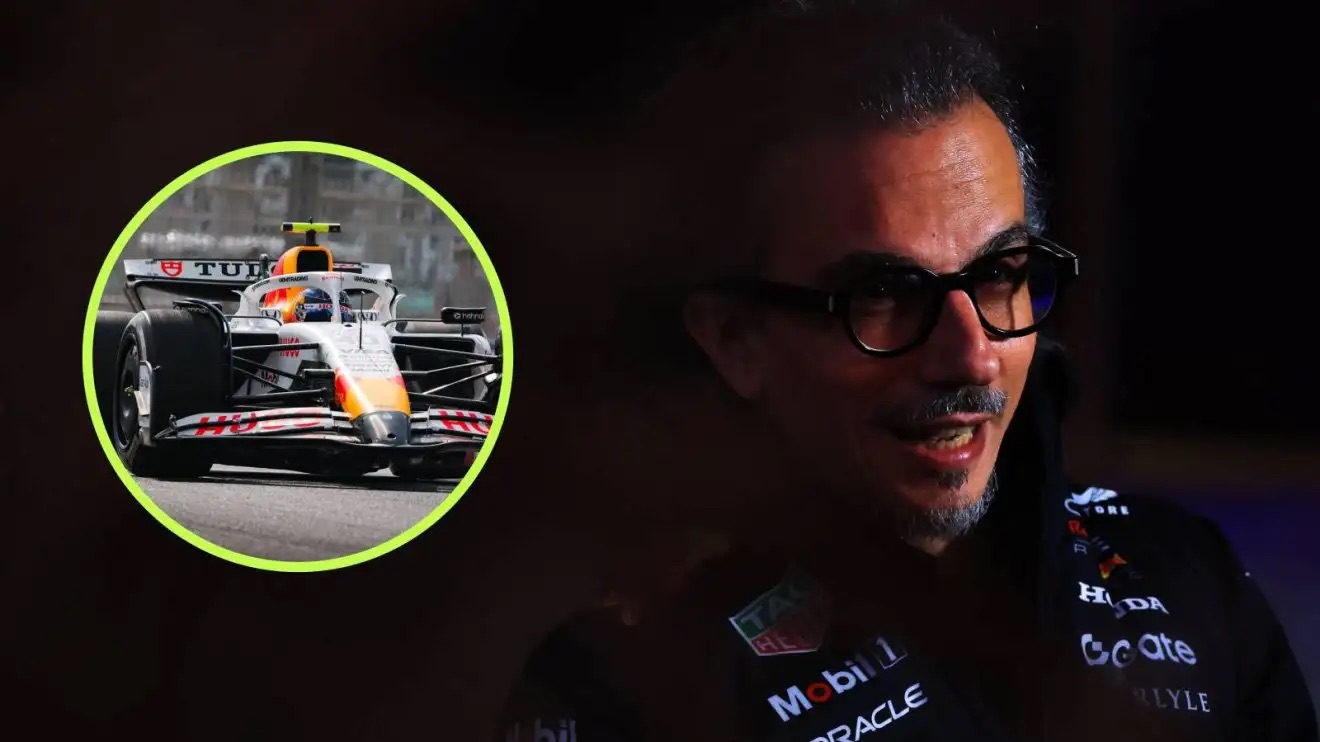
The mid-season shake-up at Red Bull in 2025 was one of the most dramatic leadership changes in modern Formula 1 history. After over two decades at the helm of Red Bull Racing, Christian Horner was abruptly removed from his position as CEO and team principal. In his place, Red Bull promoted Laurent Mekies — who had been leading Red Bull’s sister outfit, Racing Bulls — into the dual role. Mekies’ sudden transition was not merely a new job; it required a complete shift in mindset and approach, as the demands of running Formula 1’s most successful team are markedly different from managing its junior sister squad.
Mekies’ journey to the top of Red Bull’s hierarchy was atypical. Having previously served as Ferrari’s sporting director, he spent some time on gardening leave before being appointed team boss at Racing Bulls at the start of the 2024 season. There, alongside CEO Peter Bayer, Mekies helped guide a relatively young and developing team. Racing Bulls’ focus was on nurturing rising talent and fostering cohesive growth — a long-term developmental approach rather than the relentless, title-charged pressure cooker found at Red Bull Racing.
The transition was anything but gradual. Mecies was given his new role at Red Bull Racing in the midst of the 2025 campaign, shortly after the team opted to part ways with Horner. The decision to replace Horner marked the end of an era — one that had seen unprecedented success including multiple drivers’ and constructors’ championships. Mekies effectively had to reset his thinking almost overnight, shifting from the developmental and collaborative culture of Racing Bulls into the results-driven, high-stakes world where Red Bull operates at the pinnacle of the sport.
The first challenge for Mekies was internal: adjusting his mindset. He openly acknowledged that clinging to reference points from Racing Bulls would not have helped him succeed at Red Bull. The scale of operations, the size of the team, and the intensity of expectations at Red Bull Racing are vastly superior, and Mekies knew that maintaining old habits or frameworks could be a hindrance. He spoke about needing a “complete reset” mentally — a deliberate effort to leave behind assumptions and habits that worked at Racing Bulls and embrace the culture and dynamics of his new environment.
Mekies emphasized that this reset was not just a personal transformation but one supported by his new colleagues. He described the reception he received at Red Bull as welcoming and open-minded, with team members eager to share their insights and approaches. Rather than being overwhelmed by the role, Mekies focused on understanding “what was working, what was not working,” and how best to support the team around him. This inclusive approach helped him quickly build rapport and begin operating effectively in a team with deeply established traditions and operational rhythms.
Interestingly, despite being in charge of one of the top teams in the sport, Mekies remained humble about his personal impact on Red Bull’s performance. He repeatedly stressed that the improvements seen in the second half of the 2025 season were due to the collective efforts of the group, not the influence of a single individual. His philosophy was clear: his role was to “protect the group” and create the conditions where the engineers, strategists, and technical experts could focus purely on their core work — refining the car, debating technical solutions, and pushing the team forward. He wanted to cultivate an environment where difficult conversations were possible, where ideas could be challenged, and where everyone shared the same drive to make the car faster.
Indeed, Mekies was careful to avoid taking undue credit for the team’s turnaround in performance. At the close of the 2025 season, Red Bull had recovered considerably after a mid-season slump, eventually emerging as championship contenders. At times, their car’s development lagged behind rivals, and the team struggled to find consistency. However, through a focused development push and a revitalized belief in their technical package, they managed to stay competitive — nearly clinching the drivers’ title and remaining firmly in the hunt. Mekies recognized that this progress was the product of a tight-knit group working relentlessly, rather than a sudden strategic genius on his part.
This leadership philosophy stemmed directly from the reset that Mekies spoke about. Rather than imposing a top-down directive or trying to overhaul processes overnight, he concentrated on trust, communication, and enabling the team to operate at its best. Mekies believed that one of his key responsibilities was simply to remove obstacles — be they organizational, interpersonal, or procedural — so that the technical departments could apply their expertise without distraction. By prioritizing these fundamentals, Mekies fostered a sense of unity and purpose across the squad.
Mekies also confronted the technical side of Red Bull’s season with thoughtful analysis. He came to see that simply assuming next year’s car would automatically be stronger without thoroughly understanding the limitations of the current RB21 model would be a mistake. Instead of turning the page too quickly, Mekies stressed the importance of understanding why the car had struggled so much earlier in the year. By digging deeper into the root causes, he believed Red Bull could carry valuable insights into future development programs. This approach, though potentially slower in the short term, aligned with his broader mindset of learning and adaptive improvement rather than wishful thinking.
Ultimately, Mekies’ ascent to Red Bull’s leadership was more than a promotion; it was a transformation of responsibility, mindset, and culture. He had to shift from a team primed for growth and development at Racing Bulls to one that lived and breathed winning at the very highest level. Through humility, patient listening, and an emphasis on fostering the right working environment, Mekies sought to bring Red Bull back to its competitive best. His emphasis on team unity and technical focus reflected a leader determined not only to manage a Formula 1 powerhouse but to nurture its collective strengths.