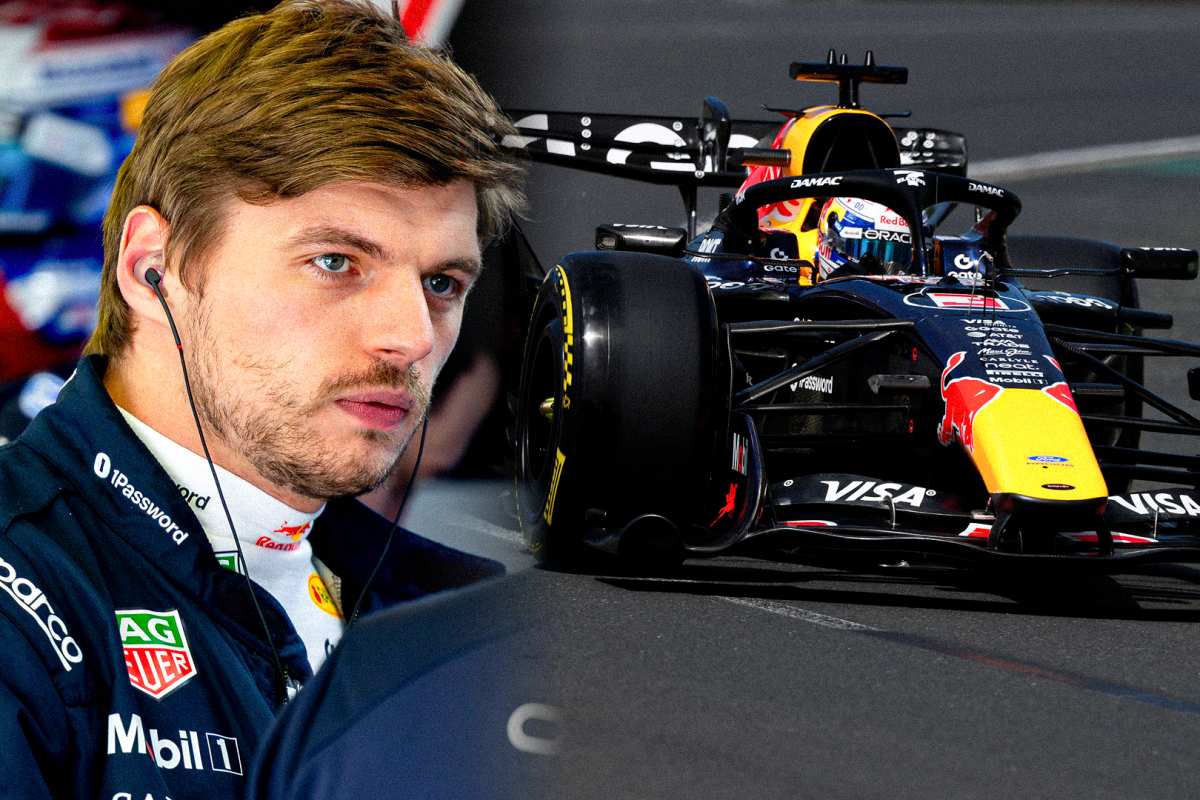
Jos Verstappen responds strongly and calls for abolish of M…read more
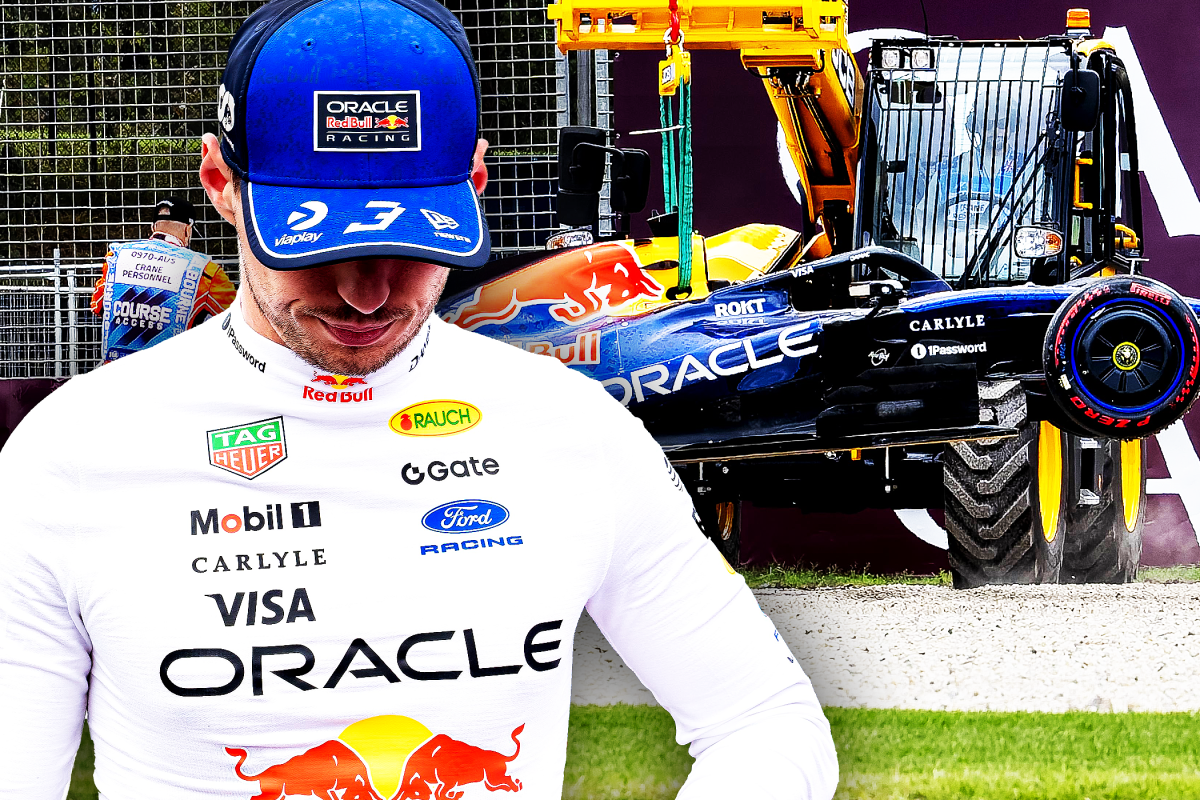
Jos Verstappen has strongly voiced his frustration with the direction Formula 1 is taking, particularly regarding the sport’s new engine regulations. The former F1 driver, who raced between 1994 and 2003, publicly backed growing criticism of the new power unit rules and joined the online debate calling for the controversial engine format to be scrapped.
Jos did not hold back in his response. In a brief but emphatic message during the discussion, he simply wrote “AGREE,” signaling clear support for the argument that the current regulations are damaging the essence of Formula 1. His comment also reinforced the stance already taken by his son, Max Verstappen, who recently criticized the new era of engines following the opening race of the 2026 season.
Max had already voiced his dissatisfaction after the season-opening race at the Australian Grand Prix, where he described the new format as “anti-F1.” According to the reigning world champion, the focus of racing has shifted away from pure speed and competition, moving instead toward energy management and battery conservation. For drivers used to pushing their cars to the limit, this change has become a major source of frustration.
The current engine concept used in Formula 1 features a nearly even split between traditional combustion power and electric energy, roughly 50 percent each. While the change was introduced as part of the sport’s long-term sustainability goals, critics argue that it has unintentionally created new racing problems.
One of the most widely discussed issues is a phenomenon known as “super clipping.” This occurs when the electric battery depletes during a lap, causing drivers to suddenly lose speed—particularly on long straights where maximum power is typically expected. When the battery runs out, the car relies solely on the combustion engine, leaving drivers unable to maintain competitive top speeds.
As a result, drivers must carefully manage their energy usage throughout the lap, sometimes slowing down earlier than expected to recharge the battery system before entering the next section of the circuit. Many in the paddock believe this has fundamentally changed the nature of Formula 1 driving, forcing racers to think more like energy managers than pure competitors.
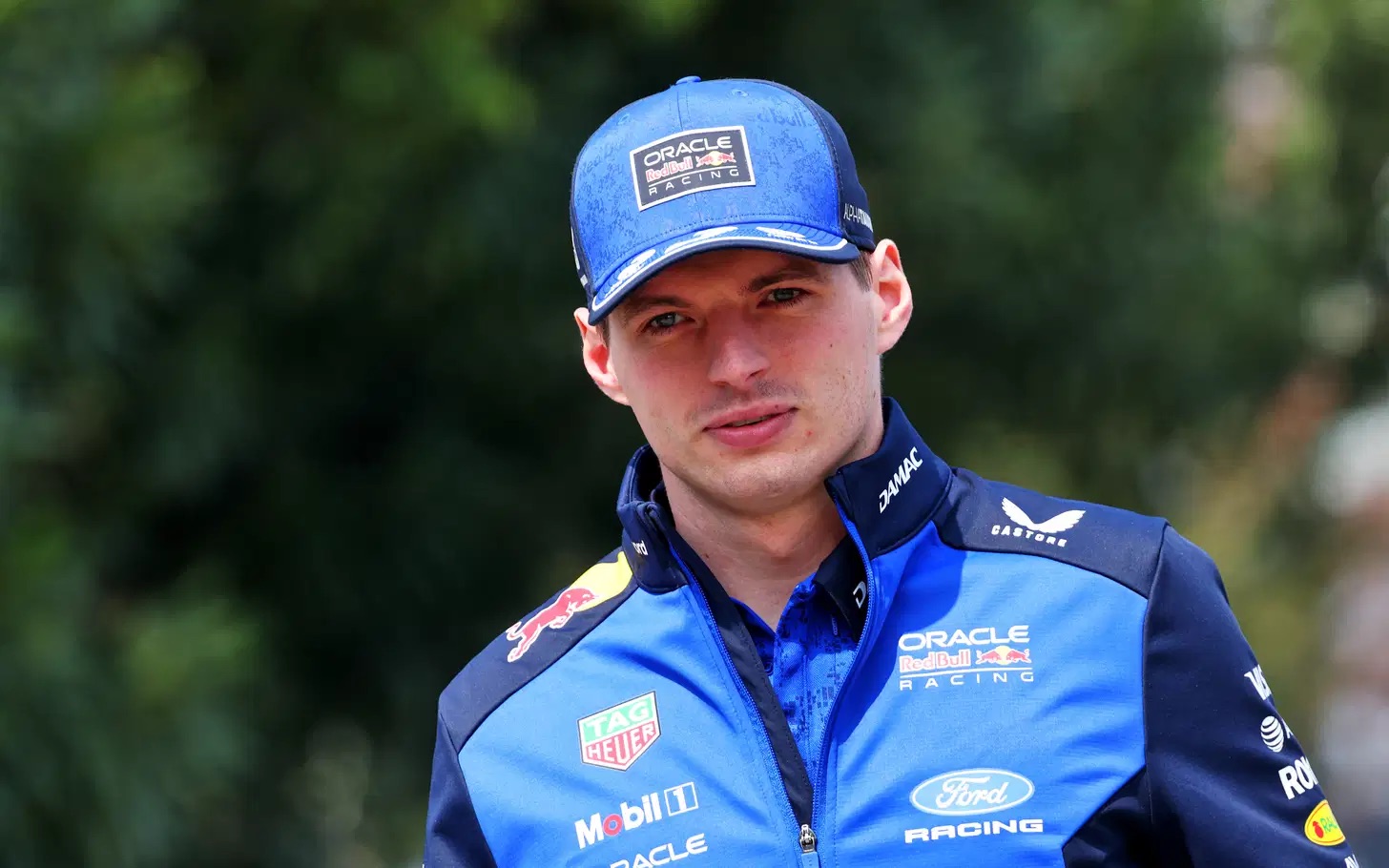
Max Verstappen has been particularly vocal about this shift. He has repeatedly warned that Formula 1 risks losing its identity if energy conservation becomes the dominant factor in performance. The Dutch driver previously raised concerns about the direction of the regulations years ago, but those warnings were largely dismissed at the time.
Now, with the new rules fully in effect, many believe his predictions are beginning to play out. The opening races of the season have already produced noticeable changes in performance across the grid. Teams that have mastered energy deployment appear to have gained a significant advantage.
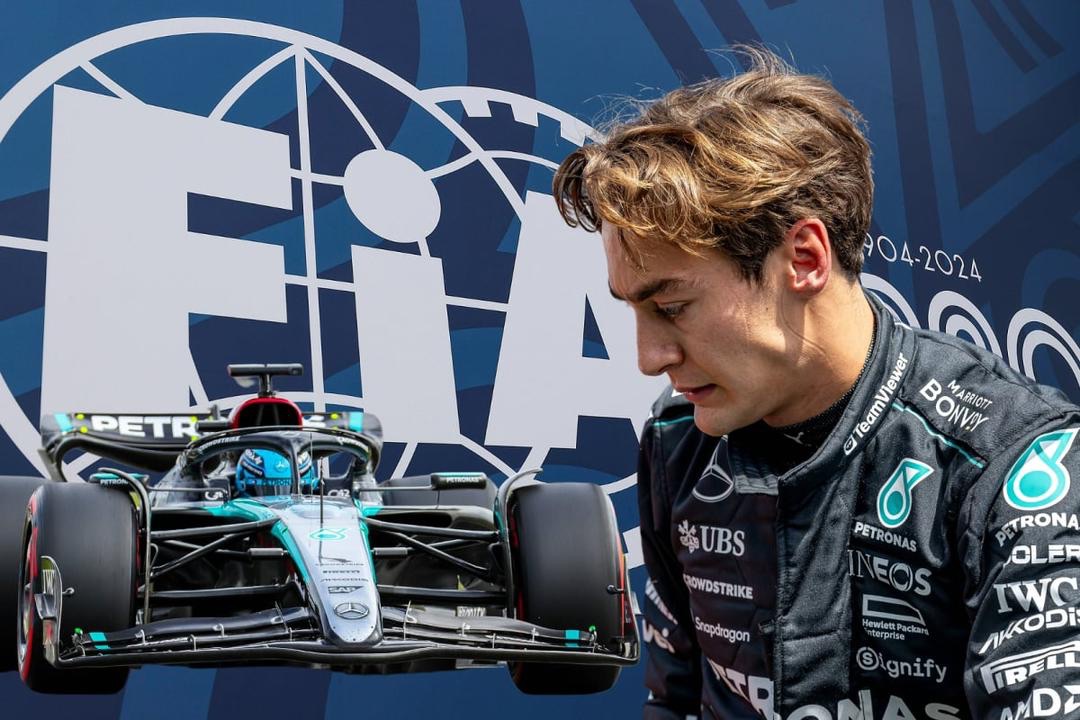
One example is the strong start by Mercedes-AMG Petronas Formula One Team, whose driver George Russell currently leads the championship standings following the opening round. Their pace has highlighted how much the competitive order may shift under the new regulations.
The criticism, however, is not limited to the Verstappen camp. Several other drivers and figures within the paddock have also expressed concerns about the direction the sport is taking. With such a large emphasis on battery levels and energy recovery, many fear that wheel-to-wheel racing could become less exciting for fans.
Some within the sport are now calling for the governing body, Fédération Internationale de l’Automobile, to reconsider aspects of the current engine formula. Suggestions include increasing the contribution of the combustion engine or adjusting energy deployment rules to allow cars to maintain higher speeds without the constant need for recharging.
Balancing sustainability with the spectacle of racing remains a complex challenge for Formula 1’s leadership. The FIA has long committed to making the sport more environmentally responsible, but it must also ensure that the competition remains thrilling for both drivers and fans.
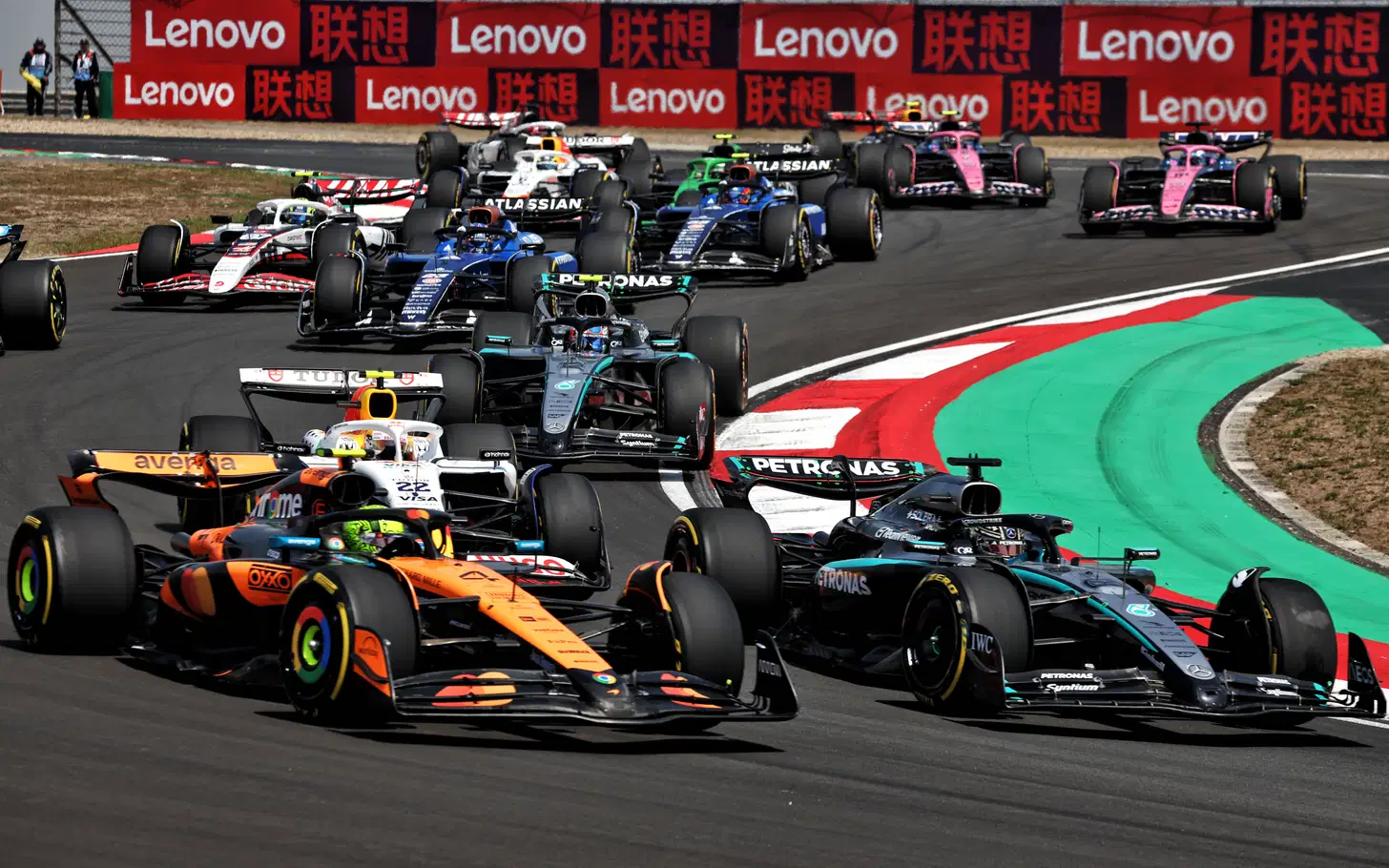
Despite the ongoing debate, the championship schedule moves forward quickly. Teams and drivers now turn their attention to the next race at the Chinese Grand Prix, which will take place in Shanghai. While discussions about the engine regulations continue behind the scenes, the focus for now remains on delivering performance on track as the 2026 Formula 1 season gathers momentum.