Kyle Larson to Compete Less Than Two Weeks After NASCAR Championship Win
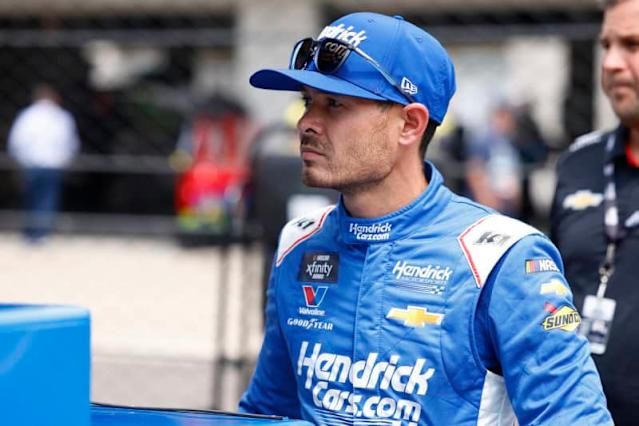
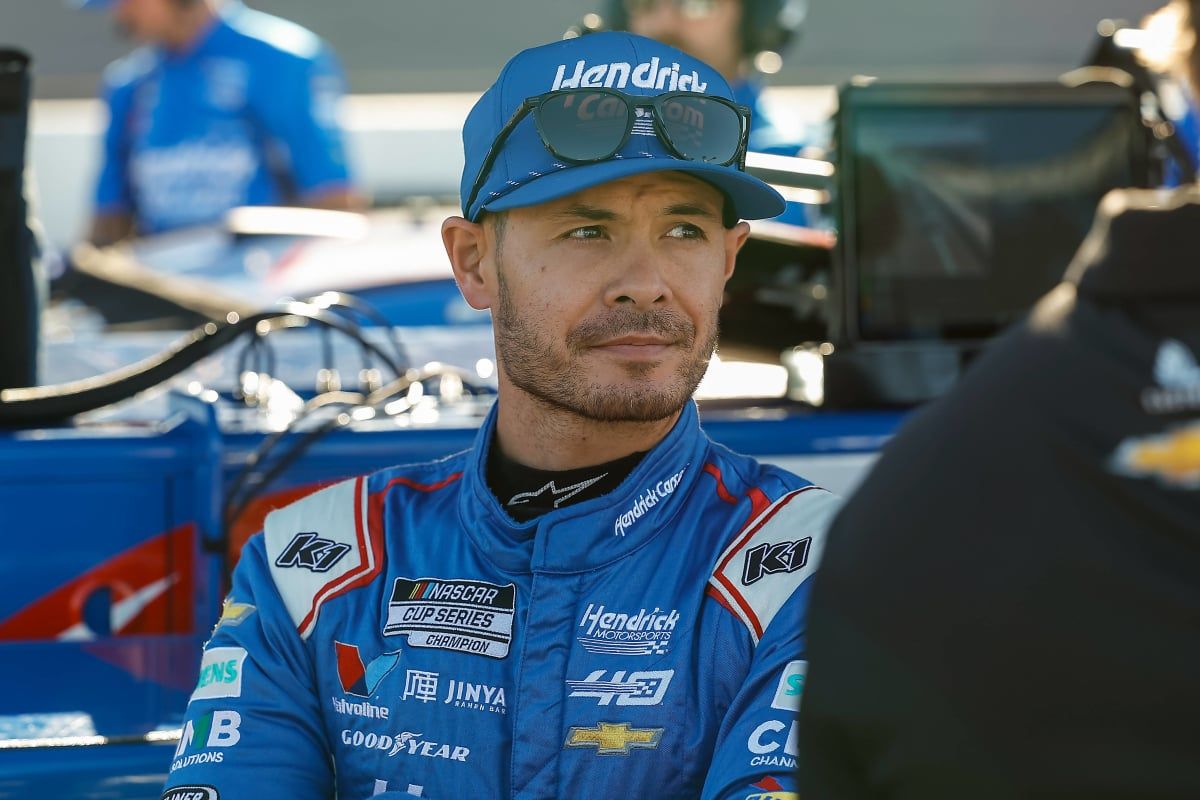
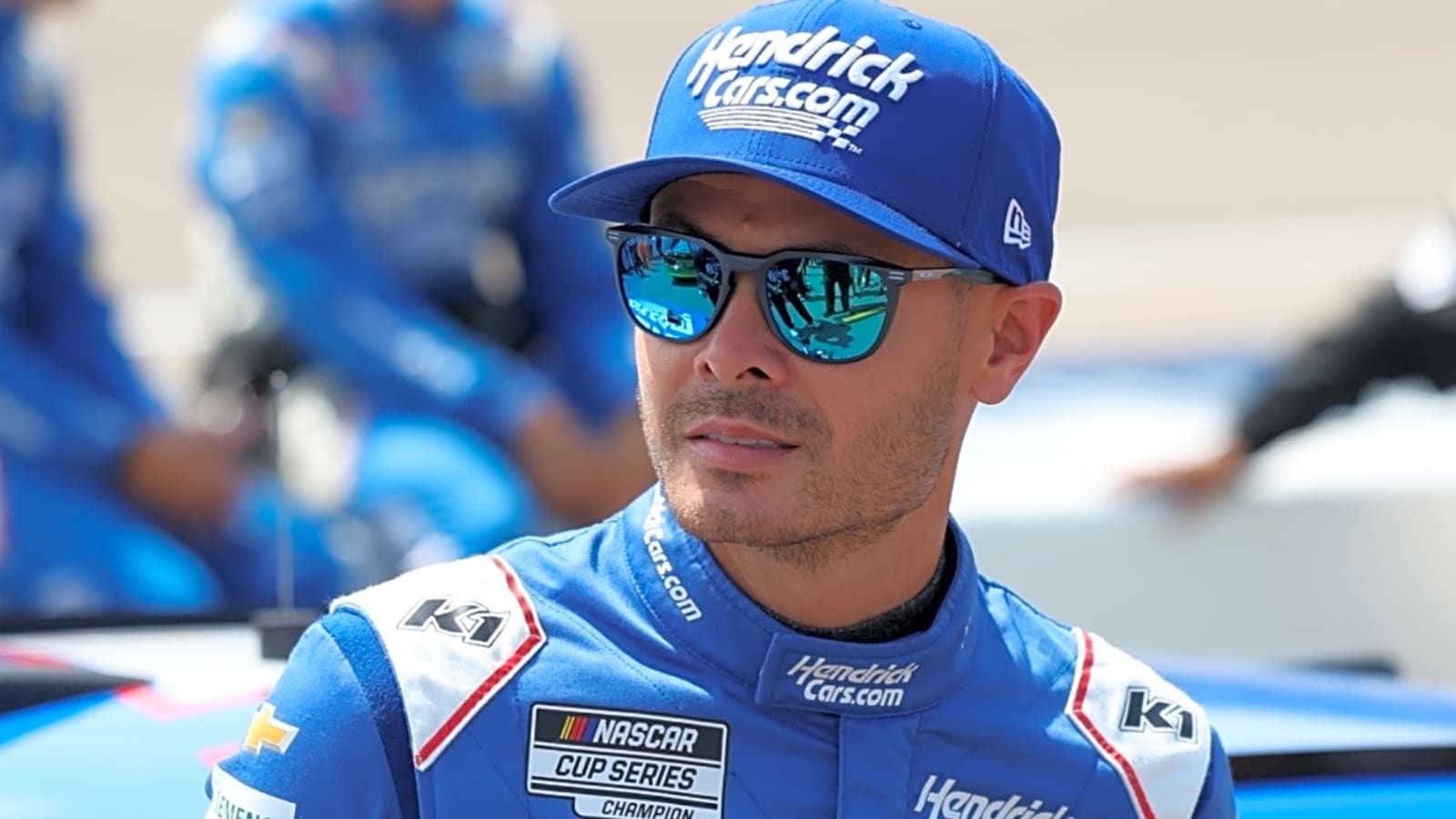
Kyle Larson’s relentless racing schedule shows no signs of slowing down, as the 2021 NASCAR Cup Series champion is set to return to the track less than two weeks after the conclusion of the 2025 NASCAR season. Known for his passion and versatility across multiple racing disciplines, Larson continues to redefine what it means to be a modern driver.
Larson’s 2025 NASCAR Cup Series campaign included 38 races across the grueling calendar, but for him, the end of the NASCAR season doesn’t mean a break from racing—it’s simply a transition. Throughout the year, he often squeezes in a number of lower-tier NASCAR events and over 20 dirt track races, competing nearly year-round. Now, his attention shifts to one of his favorite events: the Hangtown 100 at Placerville Speedway.
Placerville holds deep personal significance for Larson. The Northern California dirt track is where his love for racing began, and he has been returning to it almost every year since his teenage days. Speaking with FloRacing, Larson emphasized just how special the venue and the event are to him.
> “It’s really special to me to be part of an event that means so much to me,” Larson said. “Placerville Speedway is a place where my family and I grew up going to—not just as fans, but to race. Teaming up with Scott and Kami to continue growing this event is incredibly important to me, and I’m excited to not only help promote it but also to compete.”
The Hangtown 100 marks the beginning of nine upcoming USAC (United States Auto Club) events scheduled along the West Coast. It’s expected to draw a mix of top-tier and emerging drivers, many of whom have been increasingly exploring dirt racing during the NASCAR offseason. Rising stars like Ty Gibbs and Corey Day could also participate. Gibbs, who has become more involved in dirt track racing over the past year, and Day, who has already proven his immense talent with numerous sprint car victories, represent the new generation of drivers following Larson’s lead.
This trend highlights a broader shift in the motorsport world. Drivers are no longer limiting themselves to one racing style or series. Instead, the most successful modern racers are diversifying their skills across multiple disciplines. In NASCAR, this new breed of drivers—capable of competing in anything from stock cars to sprint cars and even endurance racers—has become increasingly common.
Manufacturers have noticed this evolution as well. Both Toyota and Chevrolet have been heavily investing in programs that encourage their young drivers to gain experience in various types of vehicles and competitions. This approach helps them develop a more complete understanding of car control, adaptability, and racecraft. Ford, while not as aggressive with its driver development initiatives, has also been linked to young talents exploring multiple forms of racing to enhance their skillsets.
Larson himself has become the ultimate example of this philosophy. His ability to seamlessly switch between NASCAR Cup cars, sprint cars, and even IndyCar machines has earned him admiration across the motorsports community. His success on different surfaces and in various series has proven that exposure to multiple racing disciplines can sharpen a driver’s instincts and elevate their performance at the highest levels.
Up-and-coming talents like Connor Zilisch, Jesse Love, Brent Crews, and Tristan McKee are also embracing this versatile approach. These young racers are eager to gain experience wherever possible, from road racing in the Trans-Am Series to endurance events in IMSA, alongside dirt and stock car competitions. By racing in diverse environments, they’re learning how to manage different car behaviors—like oversteer, understeer, and wheel hop—long before they reach NASCAR’s top tier.
This multi-disciplinary path doesn’t guarantee that every driver will become the next Kyle Larson, but it does give them a more refined understanding of vehicle dynamics, track conditions, and adaptability. By the time they reach NASCAR, many already possess a level of maturity and race intelligence beyond their years.
As Larson prepares to hit the dirt at Placerville once again, his presence is more than symbolic—it’s inspirational. He embodies the future of American motorsport: a racer who refuses to be confined by one series or surface. His dedication to competing year-round, even after the intensity of a full NASCAR season, demonstrates a love for racing that goes far beyond championships and trophies.
For Larson, it’s simple—racing is not just a job, it’s a lifelong passion. And for the next generation of NASCAR hopefuls, his example proves that versatility, hard work, and an eagerness to compete in all forms of motorsport may be the ultimate formula for success.