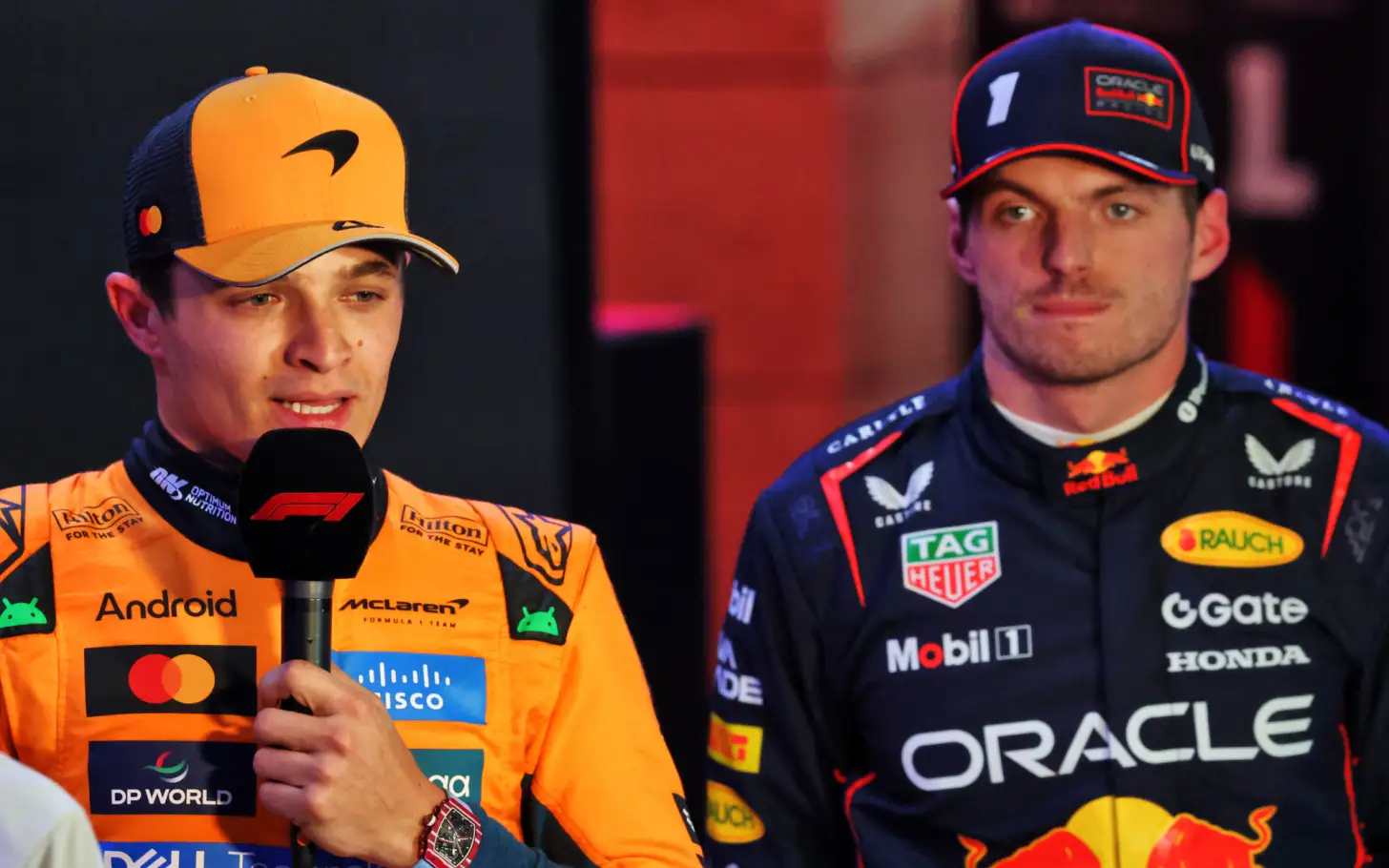
Lando Norris calls Max Verstappen retirement bluff after attacking…read more
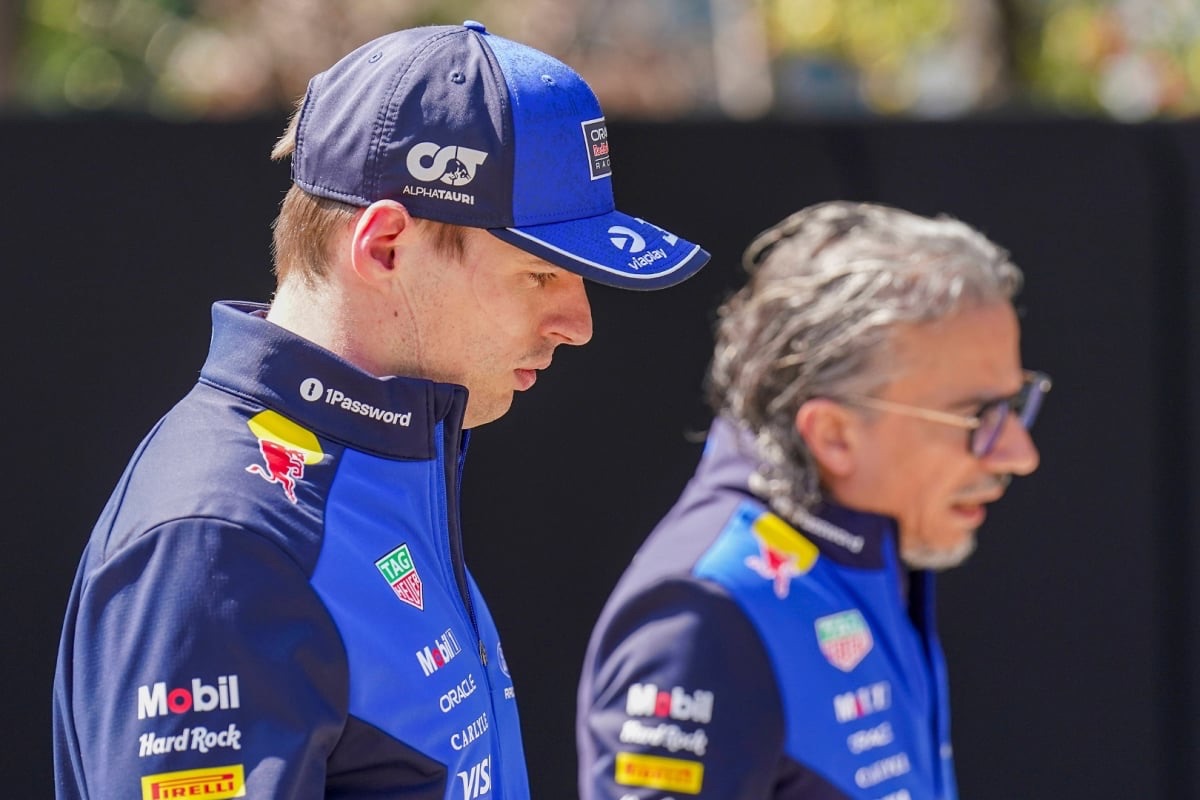
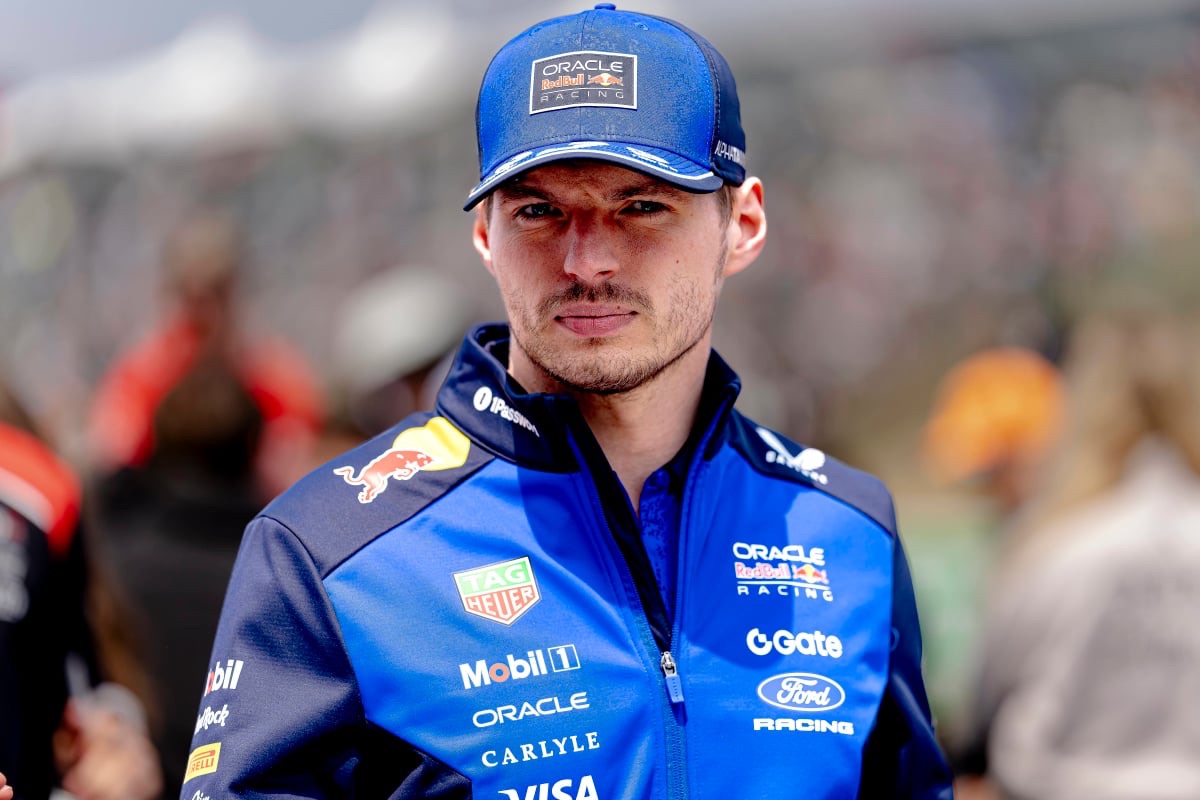
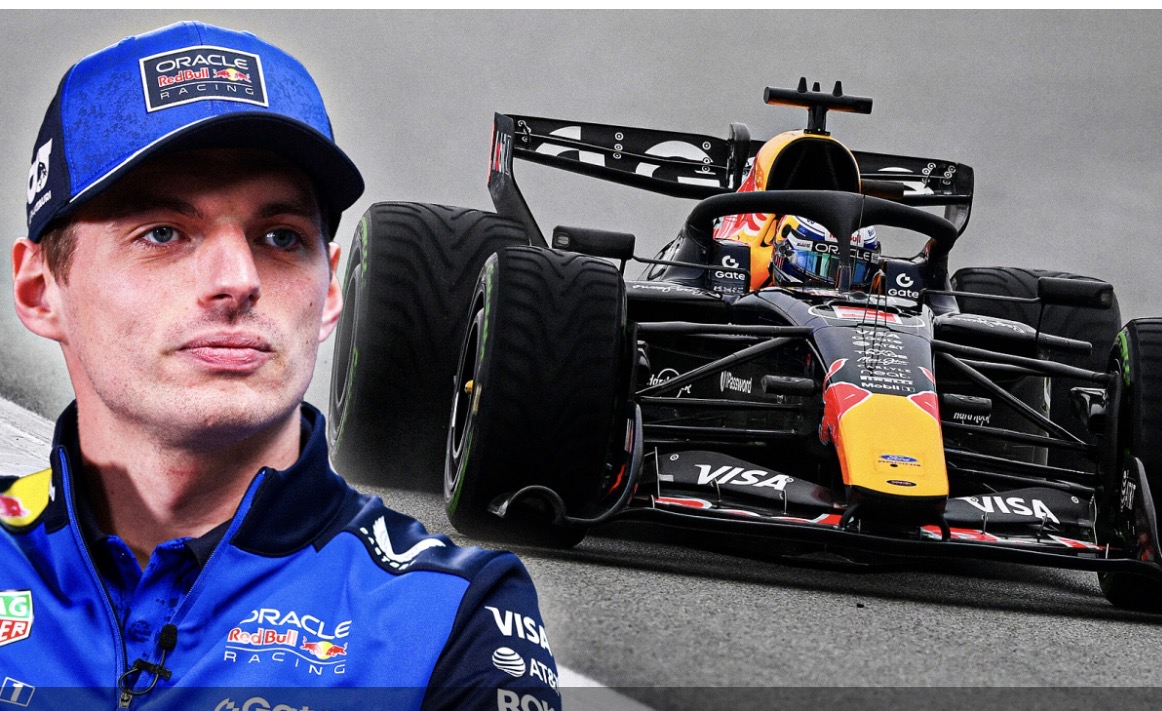
Lando Norris has dismissed suggestions that Max Verstappen could walk away from the sport following the Dutch driver’s fierce criticism of the upcoming regulation changes, insisting that if any driver truly wants to quit, the choice is entirely theirs. His remarks came after Verstappen launched a strong verbal attack on the next-generation rules during pre-season testing in Bahrain, describing the new era as overly restrictive and unfriendly to real racing.
The forthcoming overhaul in Formula 1 technical regulations introduces a major shift in power unit philosophy. The new systems are designed around an equal split between internal combustion and electrical energy, with batteries now capable of delivering around 350kW. As a result, drivers must focus far more on energy harvesting and deployment than before. Heavy regeneration under braking and careful energy usage on straights — including lift-and-coast techniques — are becoming central to fast lap times.
Verstappen voiced frustration with these changes, even comparing the feel of the cars to Formula E “on steroids,” and labeled the direction as anti-racing. He pointed to the increased management demands placed on drivers as a key concern, suggesting that the new approach removes some of the raw, instinctive elements that define top-level single-seater competition. His comments also included hints that such a direction could influence how long he remains in the championship.
During testing, he experimented with unusual driving techniques to maximize energy recovery — including dropping to very low gears in slow corners to spike engine revs and push more energy back into the system. While this may help recharge the battery, it can also unsettle the car at corner exit and create balance issues, further adding to driver workload and discomfort.
Norris, however, took a far more relaxed and pragmatic view when asked about both the new rules and Verstappen’s reaction. The reigning world champion made it clear that regulation cycles are a normal part of the sport and that adaptation is simply part of the job description for drivers and engineers alike.
He explained that while the new cars may not feel as fast or as refined as the previous generation, they still present an enjoyable technical and driving challenge. From his perspective, constant change is built into the DNA of the championship, and competitors are well compensated to meet those challenges head-on. He stressed that no one is forced to remain on the grid and that any driver unhappy with the direction of travel is free to pursue other opportunities.
Norris also expressed confidence that Verstappen’s competitive nature will override any frustration. He suggested that regardless of complaints, Verstappen is not the type of racer who would ever stop pushing for victories. Even if the cars are less enjoyable to drive, Norris expects the same fierce determination once the visor goes down.
He added that perceptions of the new machinery may also depend on perspective. A newcomer experiencing these cars for the first time might consider them incredible, while veterans inevitably compare them to what came before. Early in a rules cycle, performance gaps and drivability issues are common, but development typically brings rapid improvements. By the end of the season and into the following year, lap times are expected to fall significantly as teams optimize their designs.
With squads such as Red Bull Racing and their rivals still learning how to extract peak performance from the revised packages, Norris believes it is too early for sweeping judgments. For now, he maintains that differing opinions are natural — but talk of retirement should be taken with caution rather than alarm.