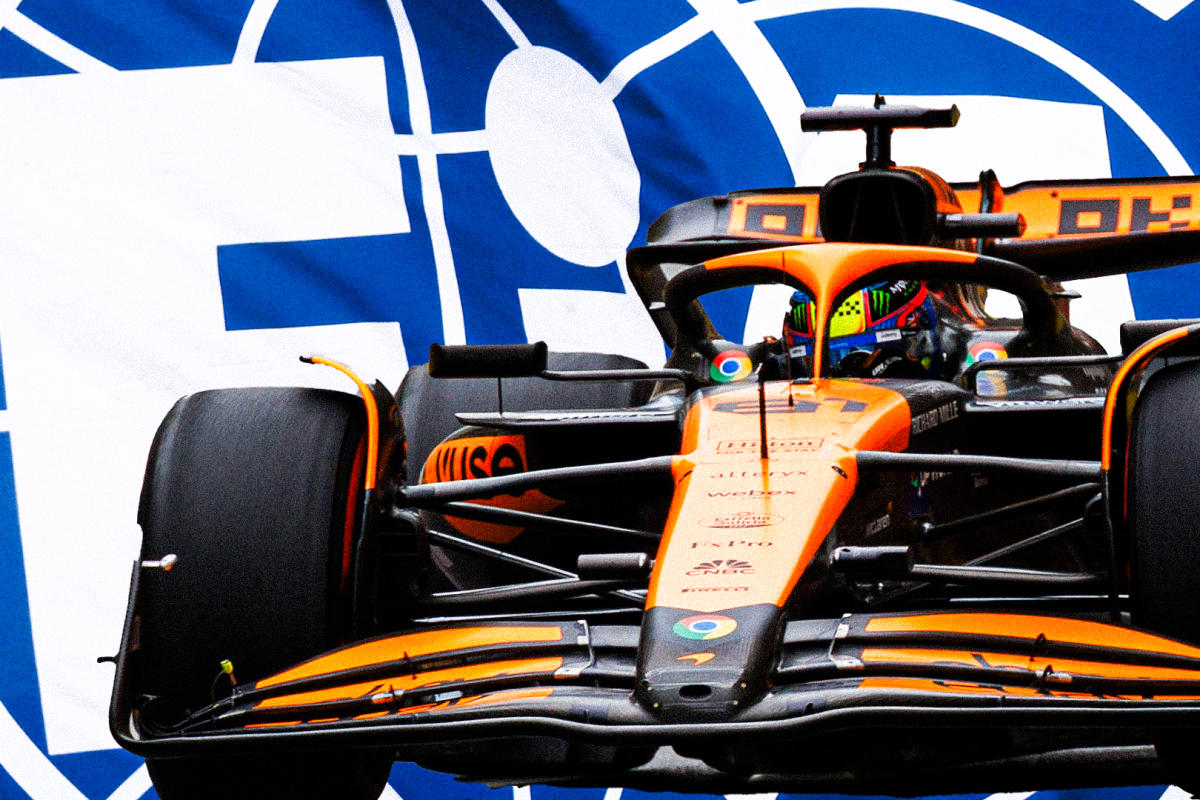
Lando Norris Disqualification Scare After Urgent McLaren Radio Warning
Lando Norris’s tense Abu Dhabi Grand Prix weekend almost took a dramatic turn during qualifying after a sudden moment of panic from his race engineer, Will Joseph. The Brit entered the final round of the 2025 Formula 1 season with the world championship within reach, holding a crucial 12-point lead over Max Verstappen. With the stakes incredibly high, every session mattered—and qualifying was especially critical.
A strong starting position would give Norris the best chance to secure the podium finish he needed to officially seal his first Formula 1 world title. However, an unexpected communication scare during qualifying briefly threatened to derail the entire campaign.
A Split-Second Scare: Joseph Thinks Norris Missed the Weigh Bridge
The tense moment unfolded when Oscar Piastri, Norris’s teammate, was called into the weigh bridge by the FIA’s technical delegates. These mid-session checks are routine and mandatory. All 20 drivers can be selected randomly at least once per qualifying session. Failing to stop when called results in a serious penalty—most commonly disqualification from qualifying, which forces a driver to start from the pit lane.
During Piastri’s weigh-in, Joseph suddenly believed that it was actually Norris who was supposed to report to the bridge. In a moment of alarm, he urgently shouted through the McLaren radio:
“Weigh bridge, weigh bridge! Lando!”
The panic in Joseph’s voice was unmistakable. For a few seconds, the McLaren garage held its breath, believing their championship-contending driver may have unknowingly missed one of the most important procedural requirements in the rulebook.
Fortunately for McLaren and Norris, the 25-year-old kept his composure. Norris immediately recognised that the call was for Piastri, not him. His quick understanding prevented a disastrous misunderstanding that could have rewritten the entire championship narrative.
Had Norris actually missed the weigh bridge when summoned, Article 35 of the FIA Sporting Regulations states that he could have been disqualified from the entire qualifying session. For a driver chasing a world title, that would have been catastrophic—especially on a circuit where overtaking is difficult and track position is paramount.
But with the confusion quickly cleared up, qualifying proceeded without further incident. All drivers obeyed the FIA spot checks throughout the session, and the final grid for Sunday’s race was confirmed with no amendments.
Why the Weigh Bridge Is So Important
Fans often wonder why the FIA insists on weighing drivers and cars in the middle of a live session, especially when every second counts. The answer lies in ensuring absolute fairness and regulatory compliance.
During qualifying, even the smallest performance gain can make or break a driver’s session. Something as minor as removing a few kilograms could provide a significant advantage on a flying lap. To prevent teams from illicit weight manipulation—whether intentional or accidental—the FIA checks cars’ weight randomly when they return to the pits.
If a driver is called to the weigh bridge and fails to stop, the FIA treats it as a breach of competitive integrity. Missing the stop suggests a possibility that the car might be running underweight. This is why the penalty is so severe.
Furthermore, the FIA repeats these checks after the race. Not every car undergoes post-race weighing; usually, only a handful—around four or five—are selected. However, several other technical inspections occur after each Grand Prix:
Checks on front and rear wing gurney flaps
Examination of the skid blocks, which have already caused disqualification drama during the 2025 season
Verification of engine oil samples
Random inspections of various aerodynamic and mechanical components
These meticulous checks ensure that no car has operated outside the boundaries of the regulations. For a tight championship fight like Norris vs. Verstappen, every detail matters.
A Reminder of How High the Stakes Were
The incident, brief as it was, highlighted the immense pressure McLaren and Norris were under during the Abu Dhabi weekend. With Norris aiming for his first world championship, the team could not afford even the slightest procedural mistake.
A disqualification from qualifying would likely have forced Norris to start from the pit lane—a position from which securing a podium on race day would have been extremely challenging.
In the end, the scare passed quickly, and McLaren avoided disaster. Norris kept his cool, Joseph regained his composure, and the team continued their championship push without penalty.
What could have been a season-defining catastrophe ultimately became just another reminder of the razor-thin margins that define modern Formula 1.