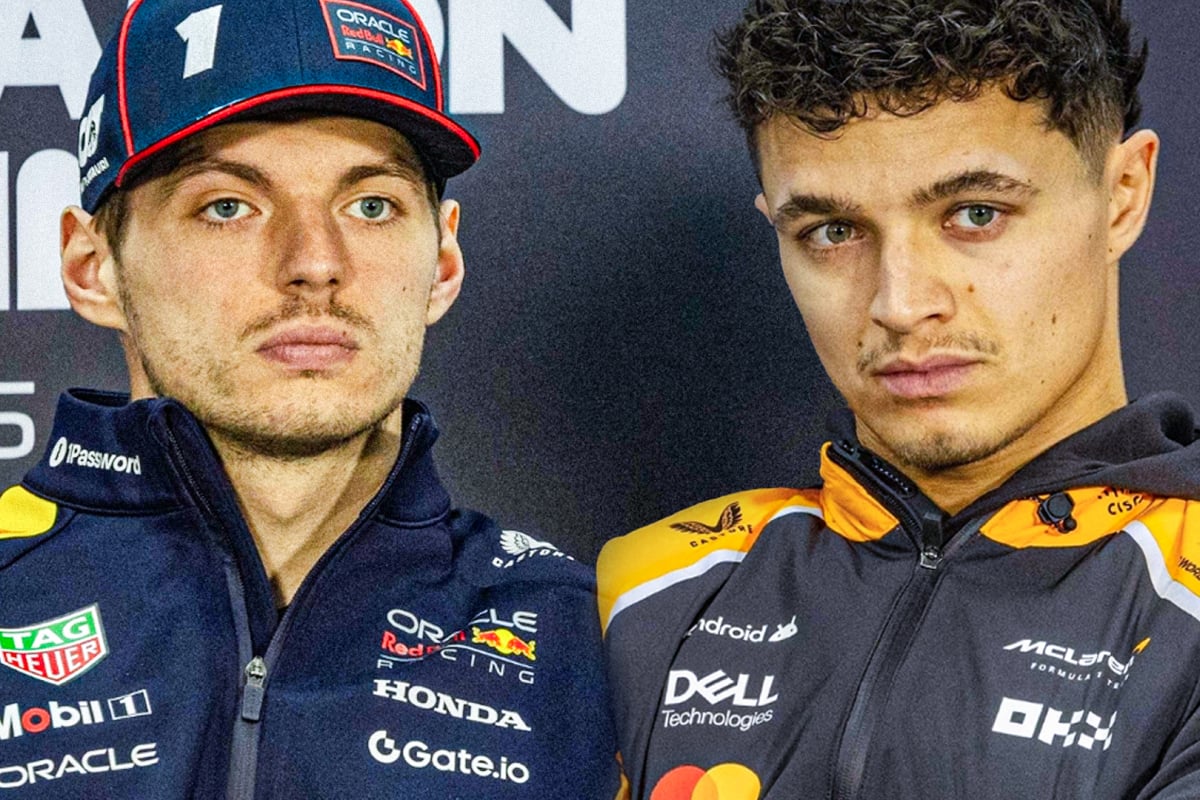
Lando Norris reveals why he is different from Max Verstappen following aggressive…read more
Lando Norris has opened up about what makes him different from Max Verstappen, offering insight into his mindset as a Formula 1 world champion and how his approach to success contrasts with his rival’s more aggressive reputation. After securing his first F1 drivers’ title in 2025, Norris joined a select group of just 35 champions in the sport’s 75-year history, overcoming strong competition from Verstappen and his McLaren team-mate Oscar Piastri. While many drivers spend their entire careers chasing a championship without ever reaching it, Norris says achieving that lifelong goal has already given him a deep sense of fulfillment.
Looking ahead to the 2026 season, Norris explained that although he remains motivated to win more titles, he feels at peace knowing he has already reached the pinnacle at least once. He reflected on the long journey from his early karting days through years of development and sacrifice, describing the championship as the culmination of two decades of focus and hard work from both himself and those around him. According to Norris, winning the title represented the realization of a dream shared with his family and close support circle. Even if he were never to win another championship, he says he would still consider his career a success because he achieved the ultimate objective he set out to reach as a young driver.
Despite that sense of satisfaction, Norris insists his competitive drive has not faded. He says he enters the new season with the same desire to compete and win races, emphasizing that becoming champion has not fundamentally changed how he feels when he gets behind the wheel. The hunger to perform remains, but it is now paired with a sense of gratitude and perspective about what he has already accomplished — something he suggests not every driver or even every person in life gets to experience with their biggest goal.
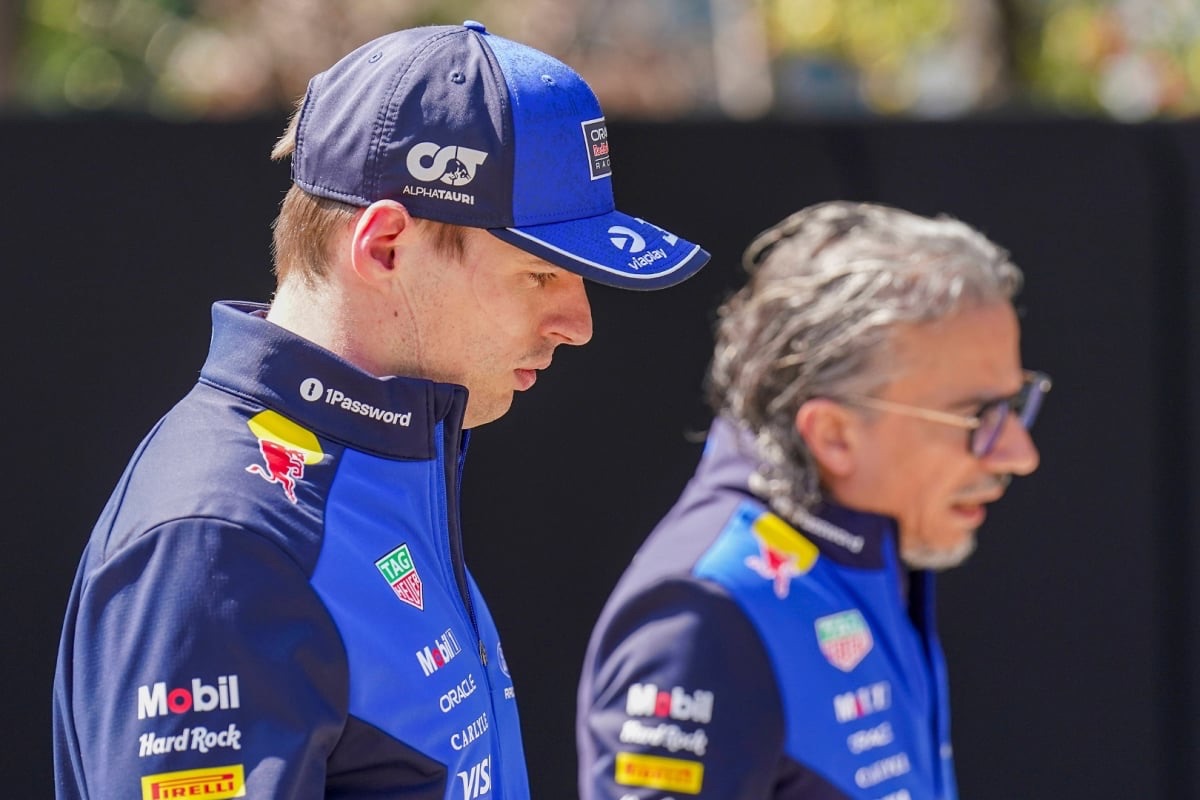
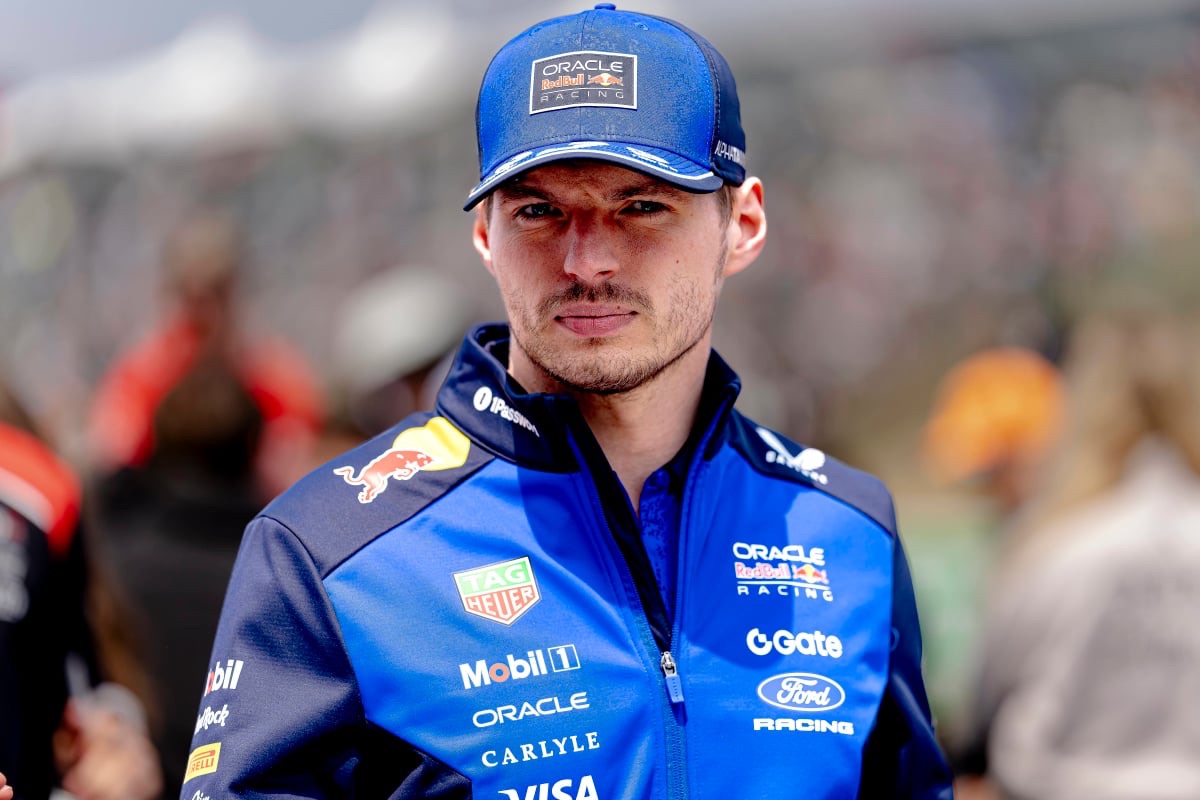
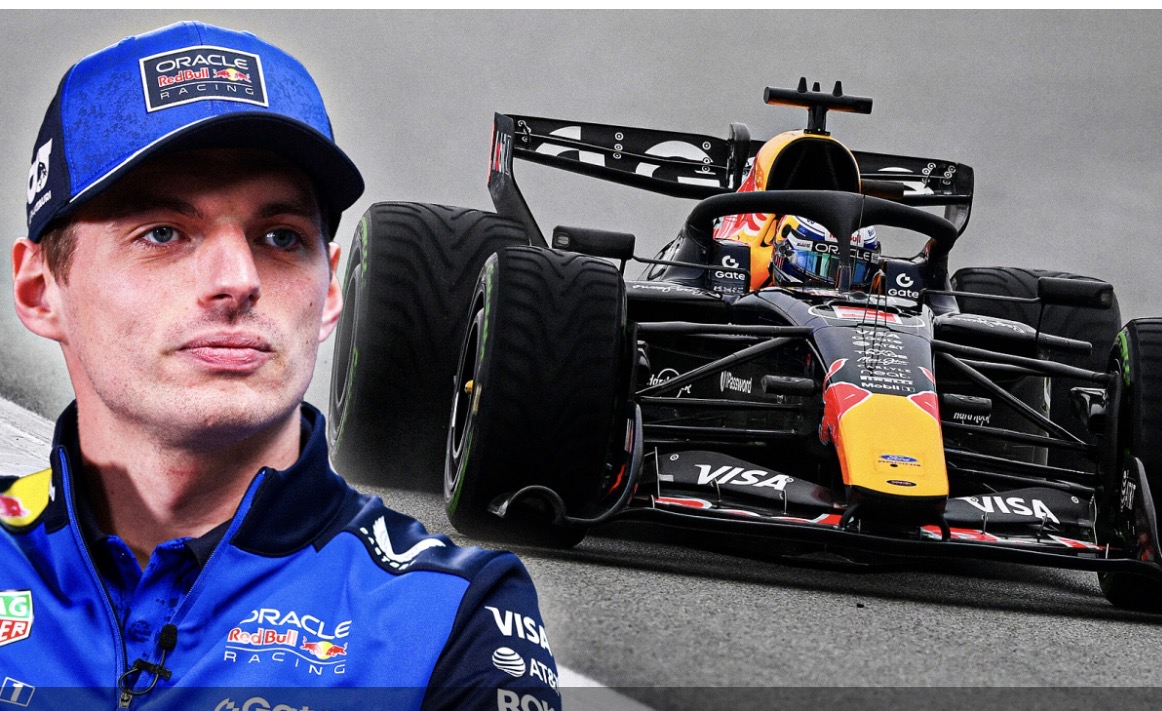
A key part of Norris’s recent comments focused on how his personality and racing philosophy differ from Verstappen’s. While Verstappen has built a reputation for relentless intensity and aggressive racecraft, Norris believes he has succeeded by staying true to his own character and methods. He takes pride in having won the championship without adopting what many view as the harder-edged tactics often associated with Verstappen and Red Bull, both in wheel-to-wheel battles and in the psychological side of competition.
Norris acknowledged that comparisons with legendary champions are inevitable once a driver wins a title. By becoming world champion, his name is now mentioned alongside icons such as Michael Schumacher, Ayrton Senna, Juan Manuel Fangio, Lewis Hamilton, and Verstappen. He recognizes that being measured against such figures can be both flattering and daunting, but he does not feel pressured to mirror their attitudes or behaviors. Instead, he stresses that his mentality is distinct and that difference should not automatically be judged negatively.
He pointed out that fans and analysts often debate which mindset is better — the uncompromising, confrontational style seen in some champions versus a calmer, more balanced outlook — but he leaves that judgment to others. Norris’s view is that there is more than one way to reach the top in Formula 1. His approach centers on teamwork, personal balance, and enjoyment of the journey, rather than purely ruthless competitiveness.
Ultimately, Norris presents himself as a champion who values achievement without being consumed by it. He remains ambitious and determined to add to his success, yet grounded enough to appreciate what he has already earned. In highlighting the contrast between himself and Verstappen, Norris underlines a broader message: elite performance in Formula 1 does not require every driver to follow the same psychological blueprint — and winning can be done in more than one style.