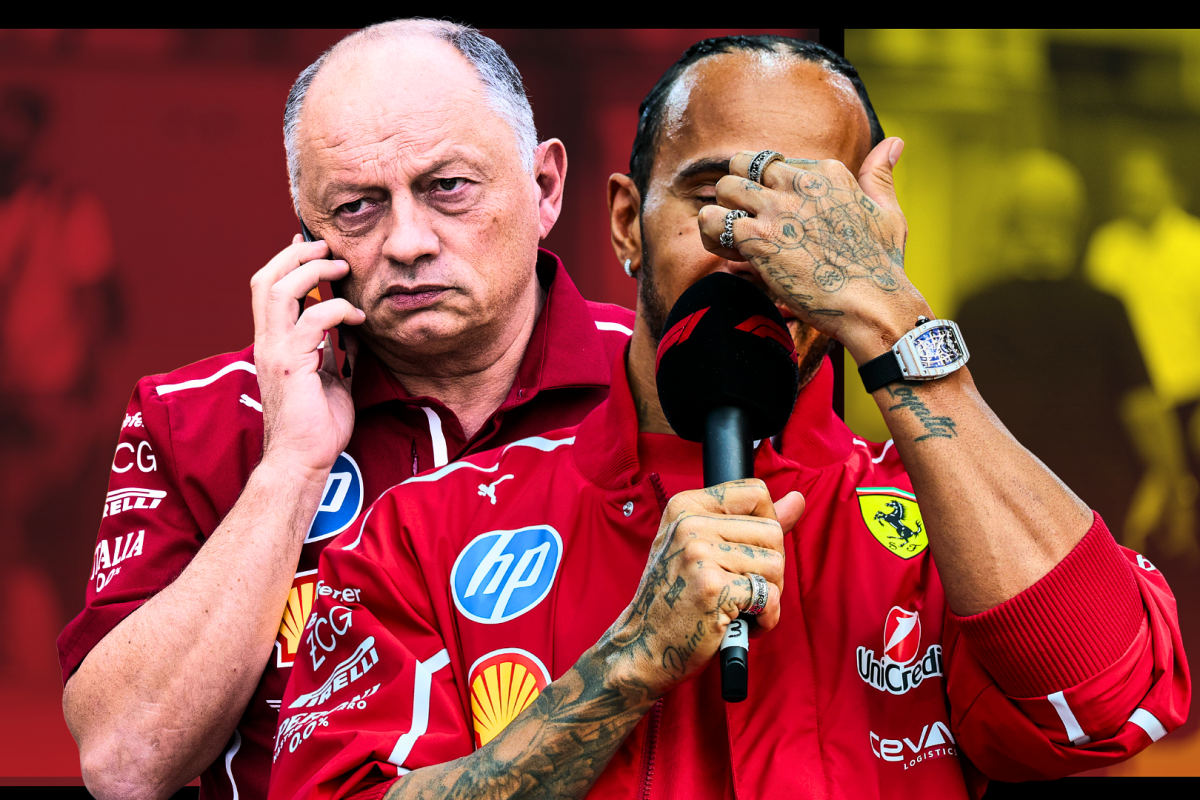
Shock in Maranello: Lewis Hamilton’s Podium Sparks Hidden Fears Inside Ferrari
When Lewis Hamilton climbed onto the podium for Scuderia Ferrari at the Chinese Grand Prix, the moment looked like a long-awaited breakthrough. For fans of the iconic Italian team, it appeared to be a turning point — proof that Ferrari might finally be moving back toward the front of Formula One.
But behind the smiles, champagne, and celebratory photos, the reality inside Ferrari may be far more complicated.
Rather than triggering unfiltered celebrations, Hamilton’s podium has quietly raised serious questions about the true pace of Ferrari’s 2026 car. While finishing in the top three is always an achievement in Formula 1, the circumstances surrounding the result have left some observers wondering whether the performance actually reflects genuine progress.
On paper, the podium result looked impressive. Hamilton’s high-profile move from the Mercedes-AMG Petronas Formula One Team to Ferrari was one of the most talked-about transfers in recent F1 history. The seven-time world champion arrived in Maranello carrying the hopes of millions of fans who dream of seeing Ferrari return to championship-winning form.
A podium finish, especially early in the season, could normally be interpreted as a clear sign that the project is moving in the right direction.
However, a deeper analysis of the race suggests the picture may not be so straightforward.
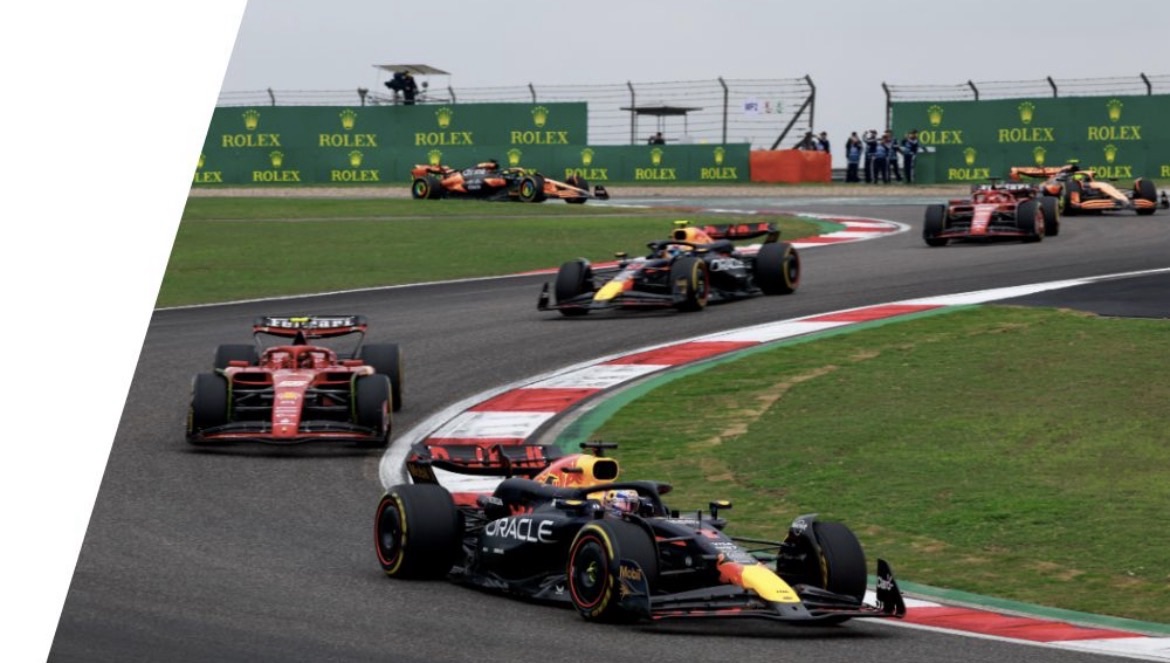
Throughout the event in Shanghai, Ferrari did not consistently demonstrate the raw speed required to fight for victory on merit. Instead, a series of unpredictable factors during the race helped open the door for Hamilton to climb into the top three.
Strategic calls, penalties affecting rivals, and moments of misfortune for competing teams all played a role in shaping the final result. While Hamilton delivered a calm, intelligent drive and extracted the maximum possible performance from the car, Ferrari’s overall pace appeared to fall slightly short of the very fastest machines on the grid.
For a team with Ferrari’s legendary status and expectations, relying on race circumstances rather than outright dominance is hardly a comforting sign.
Adding to Ferrari’s concern is the growing strength of their competitors. The Chinese Grand Prix was won by rising star Kimi Antonelli, whose impressive performance highlighted the rapid emergence of Formula 1’s next generation of drivers. Antonelli’s victory was not only a personal milestone but also a warning to established teams that the competitive landscape of the sport is evolving quickly.
Meanwhile, Ferrari’s long-standing rivals at Red Bull Racing remain a constant and formidable threat. Led by reigning champion Max Verstappen, Red Bull has repeatedly shown an ability to recover from difficult weekends and return to the front of the field with remarkable speed.
Ferrari, by contrast, has often appeared more vulnerable to small problems that can quickly derail their race weekends.
Hamilton himself has not attempted to hide the reality of the situation. The experienced British driver has openly acknowledged that Ferrari is still in the middle of an important rebuilding phase. While he has praised the dedication and effort of the engineers and mechanics in Maranello, he has also admitted that there is still a noticeable gap separating Ferrari from the very front of the grid.
For Hamilton, the podium in Shanghai represented encouragement rather than confirmation that Ferrari has solved its competitive challenges.
Pressure inside Ferrari is always intense. The team’s passionate supporters — famously known as the Tifosi — expect nothing less than victories and championship battles. A single podium result may provide a temporary boost to morale, but it will not fully satisfy a fan base that has been waiting years to see Ferrari dominate the sport again.
Inside Ferrari’s headquarters in Maranello, the Chinese Grand Prix is already being studied in minute detail. Engineers, strategists, and team leaders are carefully examining every piece of data to understand what the result truly means for their season.
The question now facing Ferrari is both simple and critical: was Hamilton’s podium the beginning of a real resurgence, or merely a fortunate result hiding deeper performance weaknesses?
The next few races could provide the answer. If Ferrari finds more speed and begins regularly challenging for victories, this podium may be remembered as the spark that ignited their comeback.
But if similar results only come when race chaos intervenes, the celebrations in Shanghai may eventually be remembered very differently.
In the high-stakes world of Formula 1, a podium can either mark the start of a revival — or serve as a warning that the real problems are still waiting beneath the surface.