Red Bull F1 Power Unit Turns Heads as Audi Hits Early Setbacks
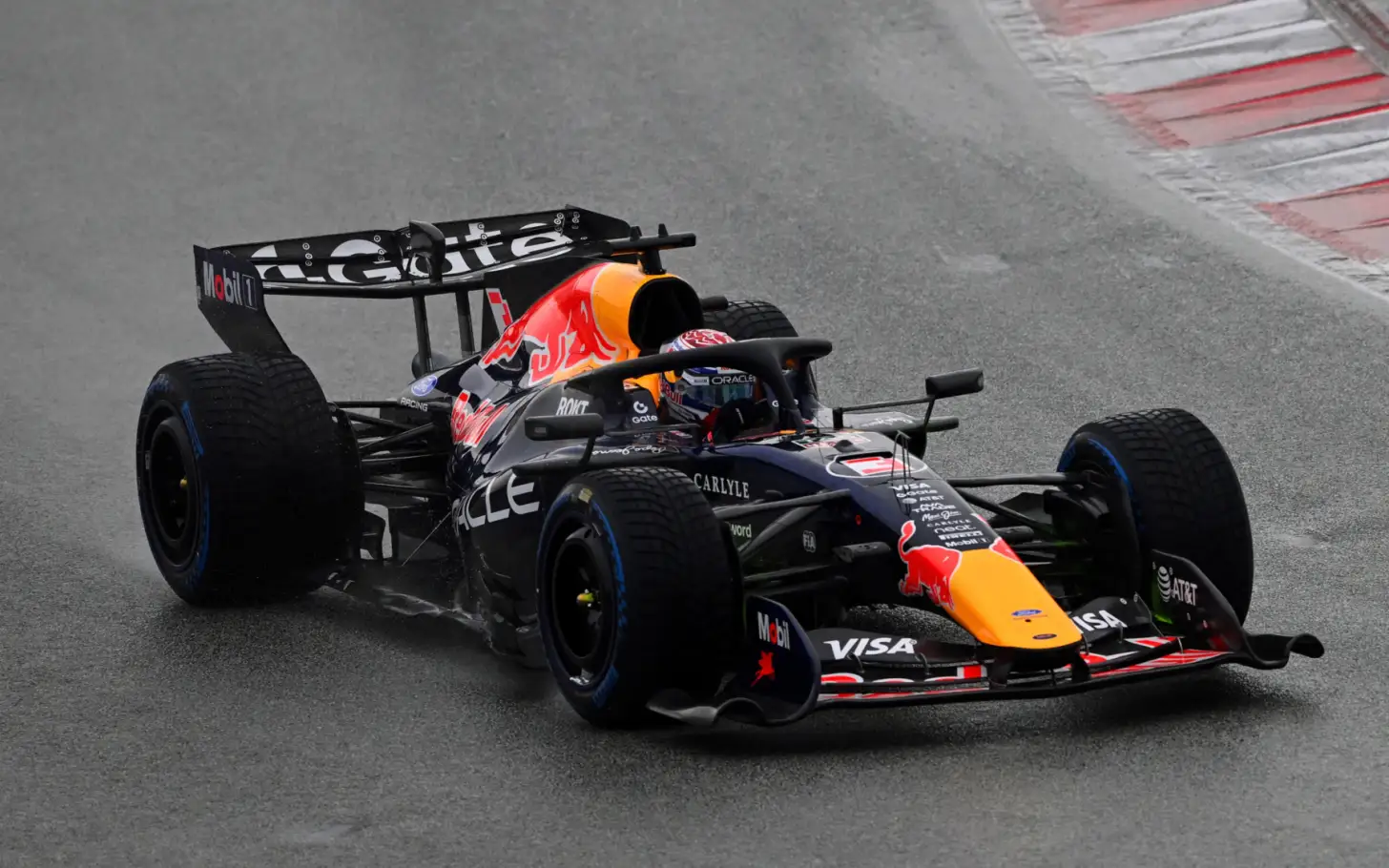
Early signals from Formula 1’s pre-season running have produced an unexpected storyline in the sport’s looming power unit shake-up, with Red Bull Powertrains (RBPT) emerging more composed than many anticipated, while Audi has encountered early growing pains.
Although the data gathered so far remains preliminary and will inevitably evolve as testing continues, initial comparisons between Formula 1’s newest engine projects suggest that expectations may need revisiting. Contrary to widespread predictions, it is Audi — not Red Bull’s newly formed power unit division — that appears to be facing the steeper early development curve.
Heading into these sessions, the consensus among paddock insiders was clear: RBPT, operating in partnership with Ford and still in the early stages of its existence, would struggle most to adapt to Formula 1’s next-generation hybrid power unit regulations. That assumption, at least for now, has not held up.
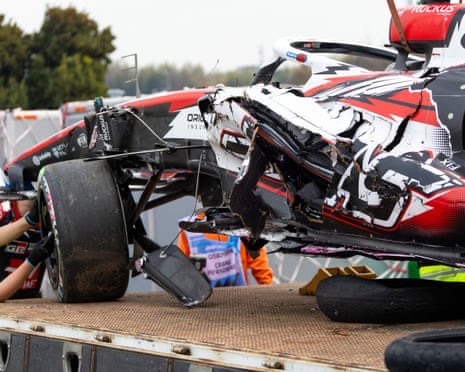
Instead, Audi’s programme has reportedly shown more signs of instability, with system integration and calibration issues proving more persistent than expected. While none of these challenges are considered alarming at this stage, they contrast sharply with the smoother-than-forecast debut of Red Bull’s in-house operation.
The contrast is particularly striking given the backgrounds of both manufacturers. Audi enters Formula 1 as a global automotive giant with extensive experience in hybrid and electrified racing, most notably in endurance competition. RBPT, by comparison, is a relatively young technical organisation, assembled from scratch over the past two years after Red Bull’s decision to bring power unit development in-house.
Yet early impressions suggest that experience in Formula 1 itself — rather than broader motorsport success — may be proving decisive.
The complexity of the 50/50 power split
Both Audi and RBPT are grappling with Formula 1’s most radical power unit architecture to date. The upcoming regulations enforce an even split between electrical energy and internal combustion, fundamentally altering how power is generated, deployed, and managed over a lap.
This shift places unprecedented emphasis on energy recovery systems, battery efficiency, and deployment strategies, while also requiring seamless integration with active aerodynamics and chassis systems. For every manufacturer on the grid, this represents unfamiliar territory — even for those with years of hybrid experience.
However, early testing suggests Audi has found the transition more demanding than expected. Despite its strong background in electrification, Formula 1’s hybrid systems are uniquely complex, operating under constraints and performance windows unlike those found in other championships, including the World Endurance Championship.
In contrast, RBPT appears to have benefited from an often-underestimated advantage: people.
The personnel factor
Red Bull’s power unit programme has been heavily staffed by engineers and specialists already embedded within Formula 1, many of whom previously worked with established manufacturers and, crucially, have experience installing, integrating, and homologating Honda-built power units.
That institutional knowledge — understanding the sport’s regulatory grey areas, operational rhythms, and integration pitfalls — appears to have paid dividends. While RBPT’s project remains technically ambitious, the learning curve has been softened by familiarity with F1’s unique demands.
Audi, on the other hand, is navigating Formula 1’s ecosystem largely as an outsider. While its engineering pedigree is unquestionable, adapting to the sport’s tightly constrained development cycles and highly specific technical rules is a challenge no amount of external success can fully prepare a team for.
Perspective remains essential
Despite the intrigue surrounding these early findings, team insiders are quick to urge caution. Pre-season testing — particularly behind closed doors — exists precisely to uncover weaknesses, stress-test systems, and identify areas requiring urgent refinement.
Neither Audi nor RBPT is expected to be operating anywhere near full performance at this stage. Reliability checks, software calibration, and energy management optimisation remain the priority, with outright competitiveness still a distant concern.
History also offers a clear lesson: early struggles rarely define long-term success. Many power unit programmes that appeared troubled in their infancy have gone on to become title-winning operations, while promising starts have sometimes masked deeper issues.
For now, the only certainty is that the battle between Formula 1’s newest power unit manufacturers is shaping up to be more nuanced — and more competitive — than many initially predicted.
As testing continues and development accelerates toward the season opener in Melbourne, the true picture will begin to emerge. Until then, the early surprise is clear: Red Bull Powertrains look further along than expected, while Audi is discovering just how unforgiving Formula 1’s hybrid frontier can be.