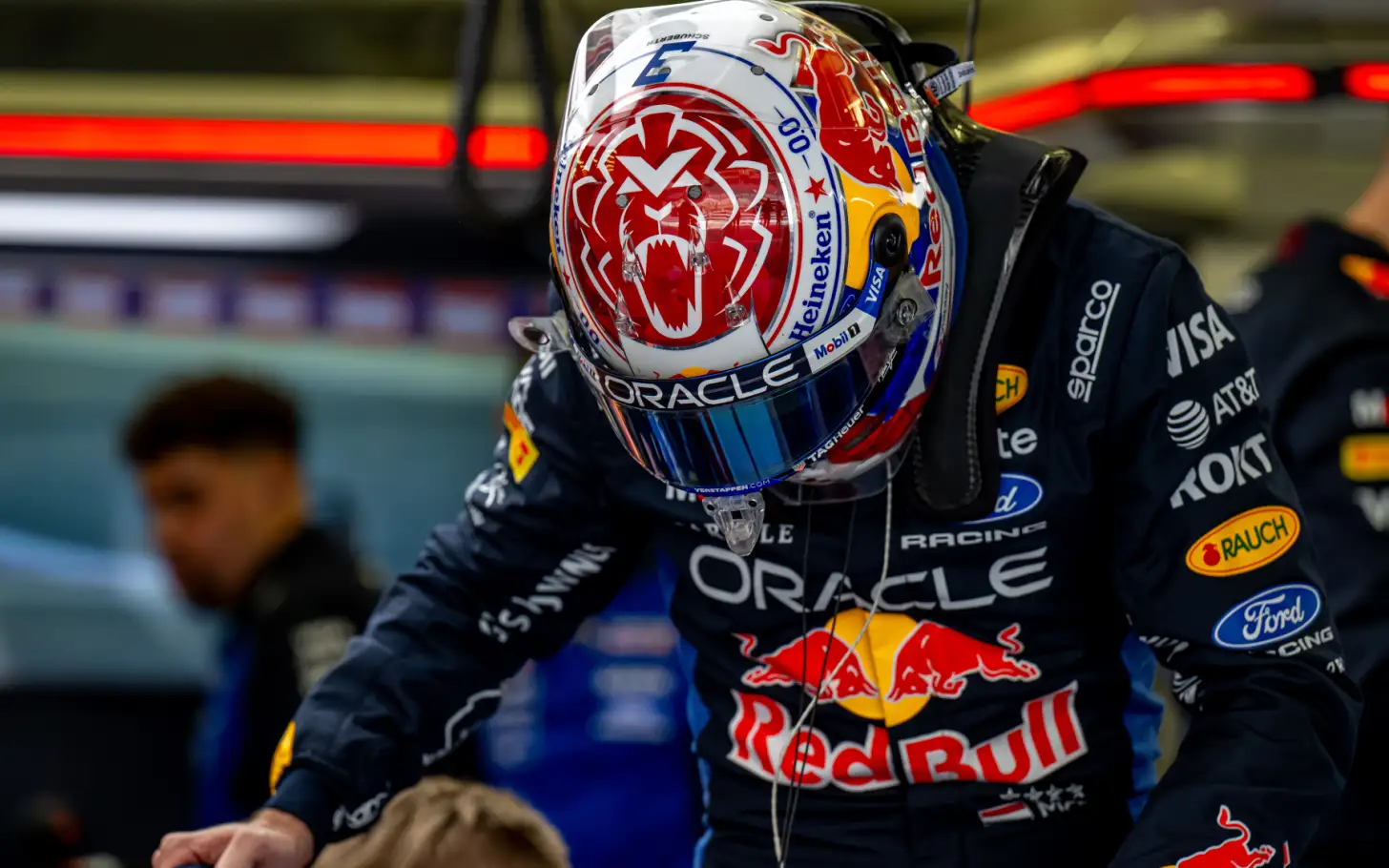
Max Verstappen abandoned testing early as team reveals worrying Red Bull’s…read more
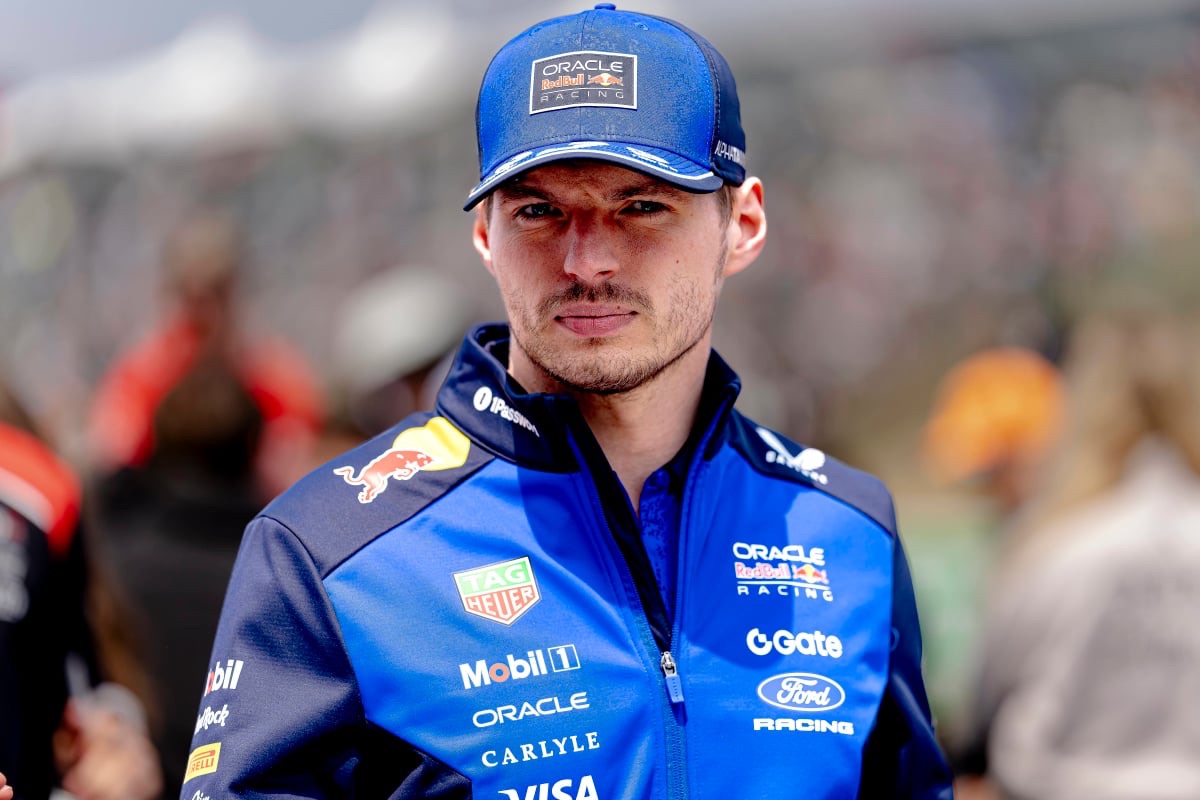
Reigning world champion Max Verstappen cut short his running at the latest pre-season test in Bahrain, departing before the final sessions concluded, while rival team boss Toto Wolff openly acknowledged that Red Bull may already hold a significant early advantage heading into the new era of regulations.
Testing took place over three days at the Formula 1 pre-season programme at the Sakhir International Circuit, where teams gathered to collect crucial data on their radically redesigned 2026-spec machinery. With sweeping rule changes affecting power units, energy deployment, and overall car philosophy, the Bahrain outing marked the first meaningful public comparison of performance across the grid.
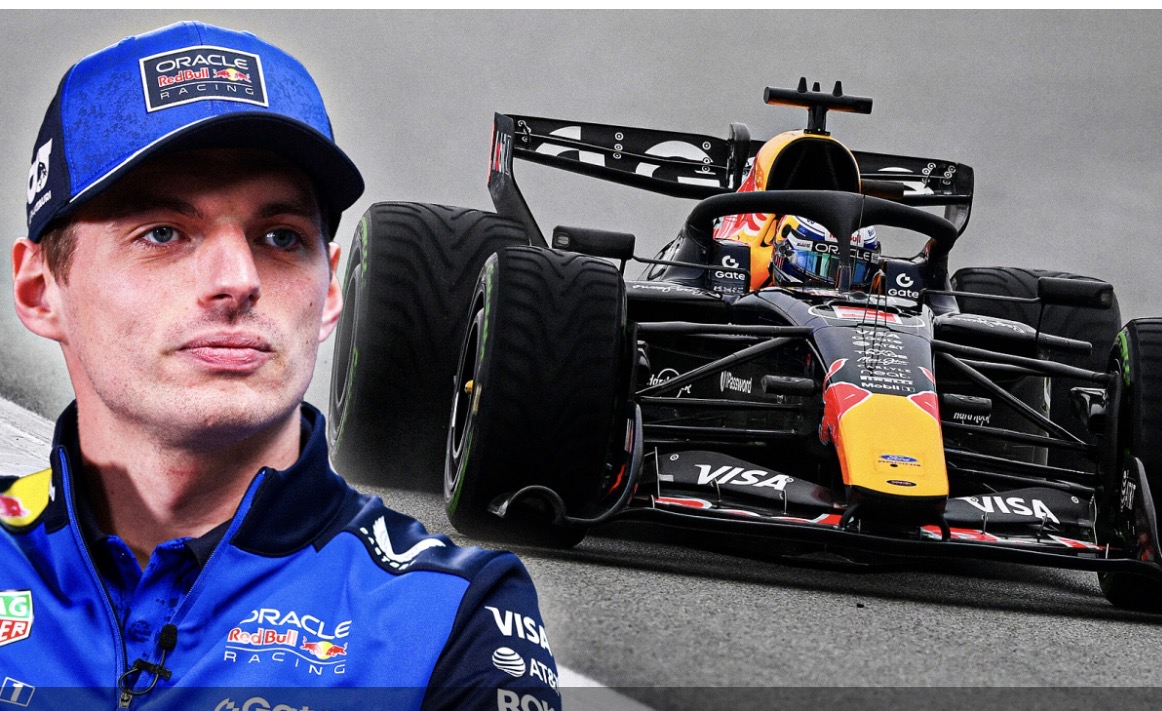
Verstappen was among the busiest drivers during the opening phase of the test. He logged an extensive run plan on day one, completing 136 laps as Red Bull focused on reliability checks and systems calibration on their new RB22 challenger. The high lap count suggested a structured programme aimed at understanding long-run behaviour and energy management under the revised ruleset.
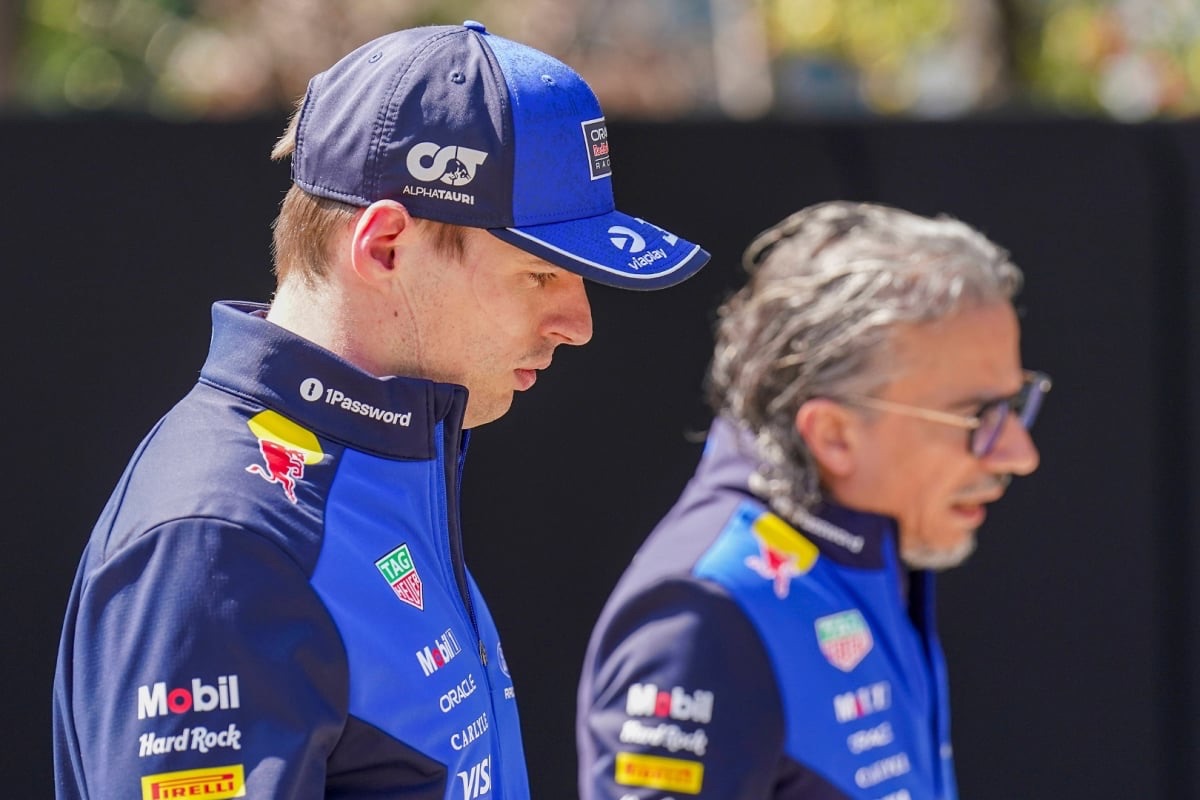
On the final day of running, Verstappen added 61 more laps during the morning session and placed third on the timing sheets at that stage. However, he did not remain at the circuit for the remainder of the test, leaving before the closing hours. His early departure drew attention in the paddock, though such moves are not uncommon when teams complete their scheduled test items ahead of time or rotate simulator and engineering duties elsewhere.
Across the garage area, rival teams closely monitored Red Bull’s performance — particularly the effectiveness of their new in-house power unit package. The squad’s engine project has been one of the most talked-about developments ahead of the regulation overhaul, as it represents a major shift in technical direction and independence.
Mercedes team principal Toto Wolff addressed the competitive picture after observing running throughout the week and delivered a candid assessment. According to Wolff, early signs indicate that Red Bull have executed strongly in adapting to the new power unit demands, especially in how efficiently they extract and deploy electrical energy — a critical factor under the updated rules.
He noted that while testing timesheets can be misleading due to varying fuel loads and run programmes, certain performance characteristics are still visible. From his perspective, Red Bull appear to have set the reference point so far, particularly in power unit optimisation and overall integration between engine and chassis systems.
The new regulations place greater emphasis on hybrid energy usage and recovery, forcing teams and drivers to rethink racecraft and setup approaches. Efficient harvesting and deployment can create meaningful lap-time gains, and Wolff suggested Red Bull’s early mastery in this area has not gone unnoticed by competitors.
Observers also pointed back to Red Bull’s earlier private running in Spain, where their initial shakedown reportedly raised eyebrows among rival engineers. Combined with their Bahrain performance, it has strengthened the impression that they could begin the new cycle in a competitive position.
Still, paddock insiders caution that pre-season testing rarely tells the full story. Teams often hide true performance through conservative engine modes, experimental setups, and varied tyre strategies. Development rates between now and the opening race could also shift the order.
Even so, the combination of Verstappen’s heavy mileage, smooth early reliability, and Wolff’s frank remarks has intensified speculation that Red Bull may once again start a new regulation era at or near the front — putting immediate pressure on their closest challengers to respond quickly.