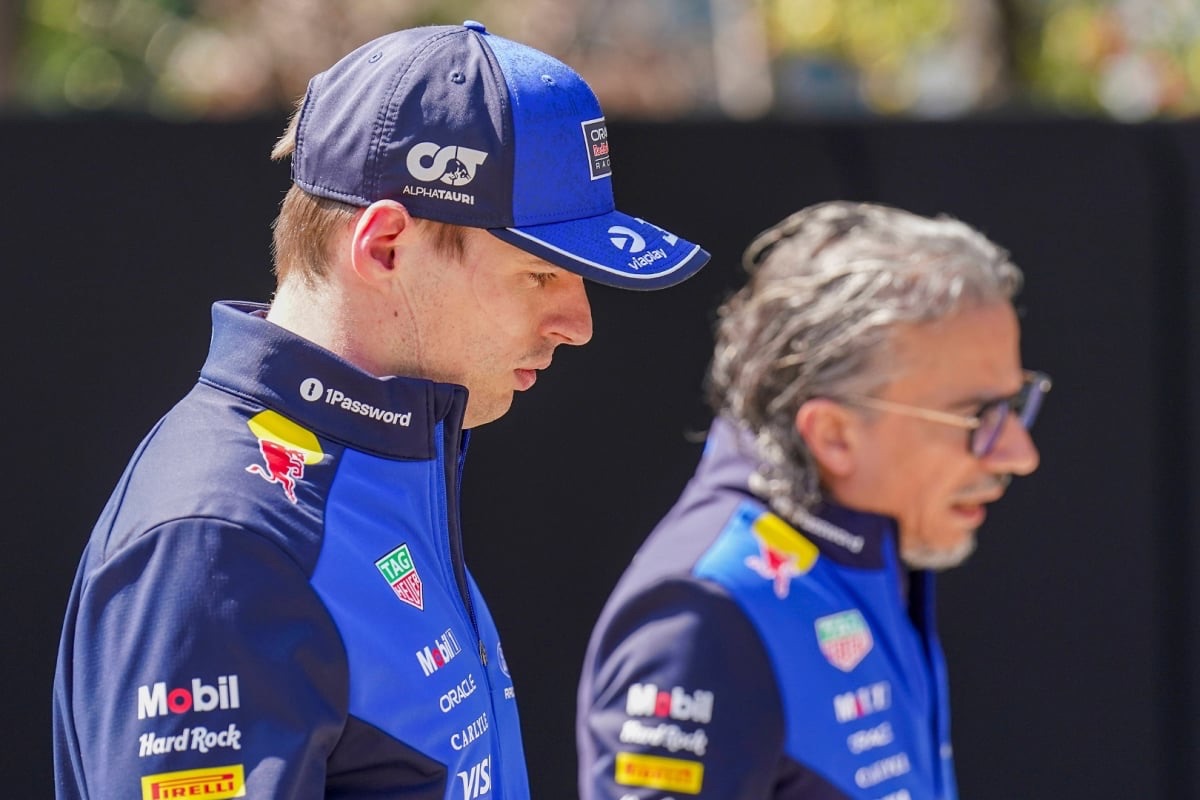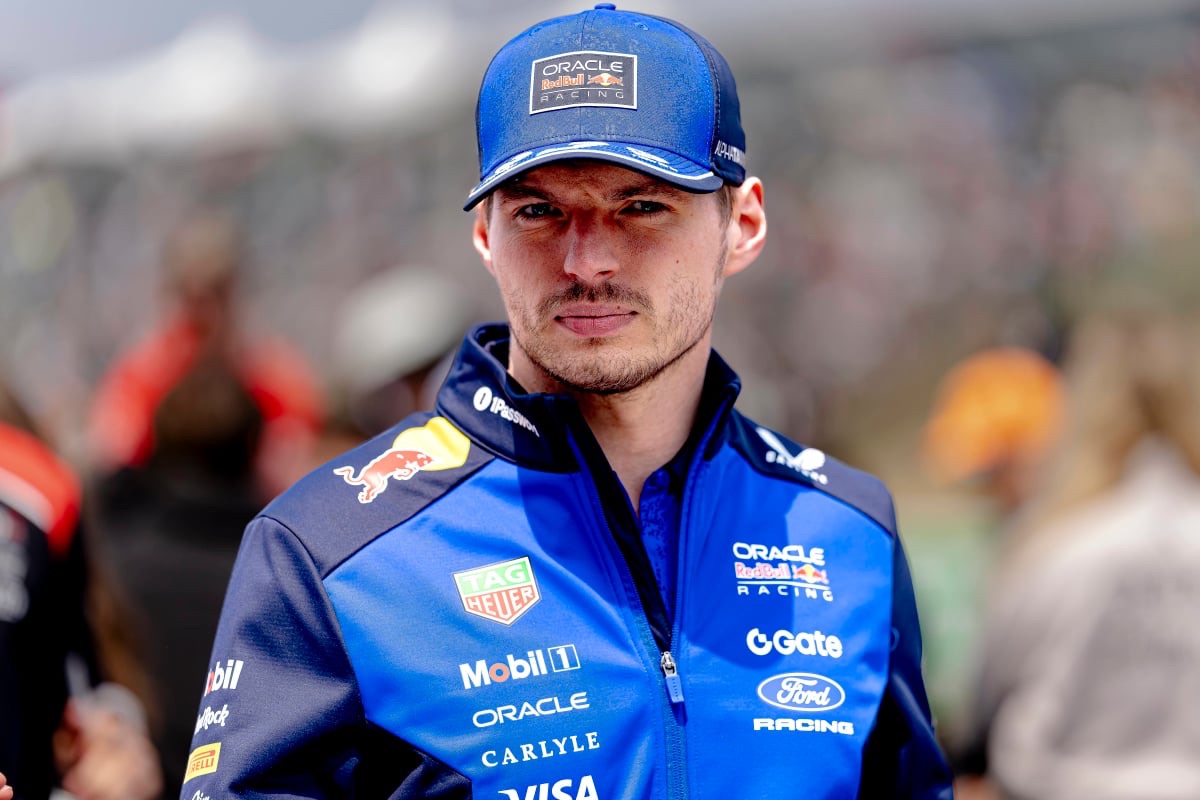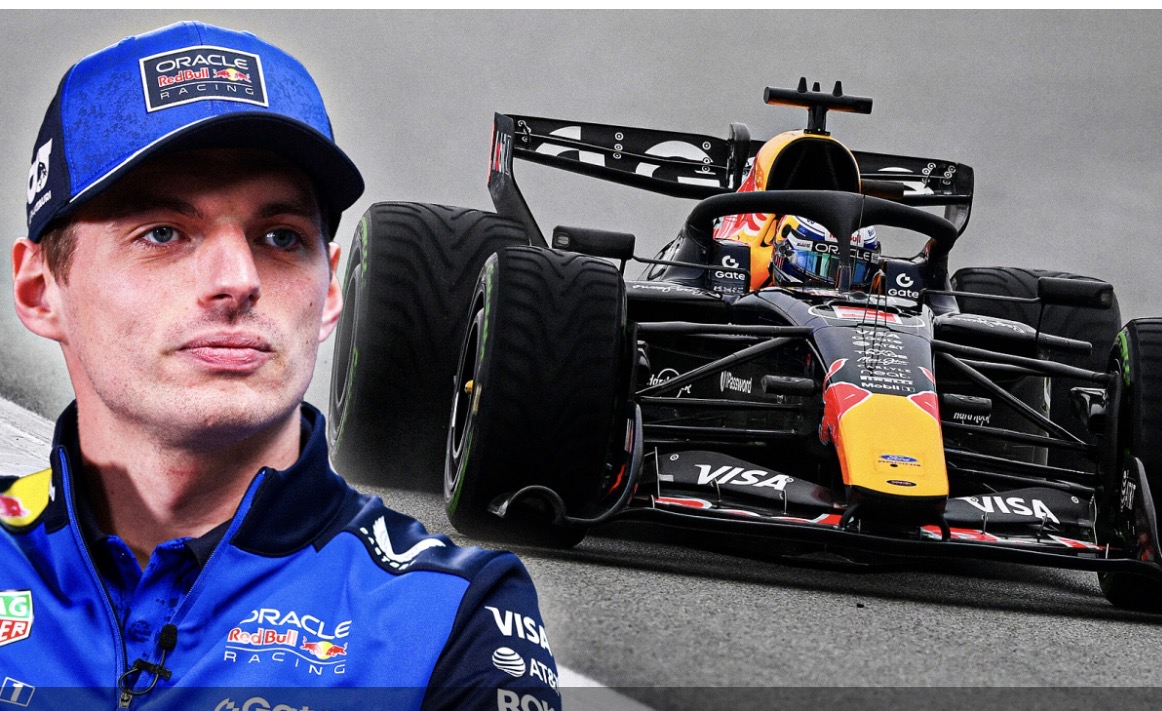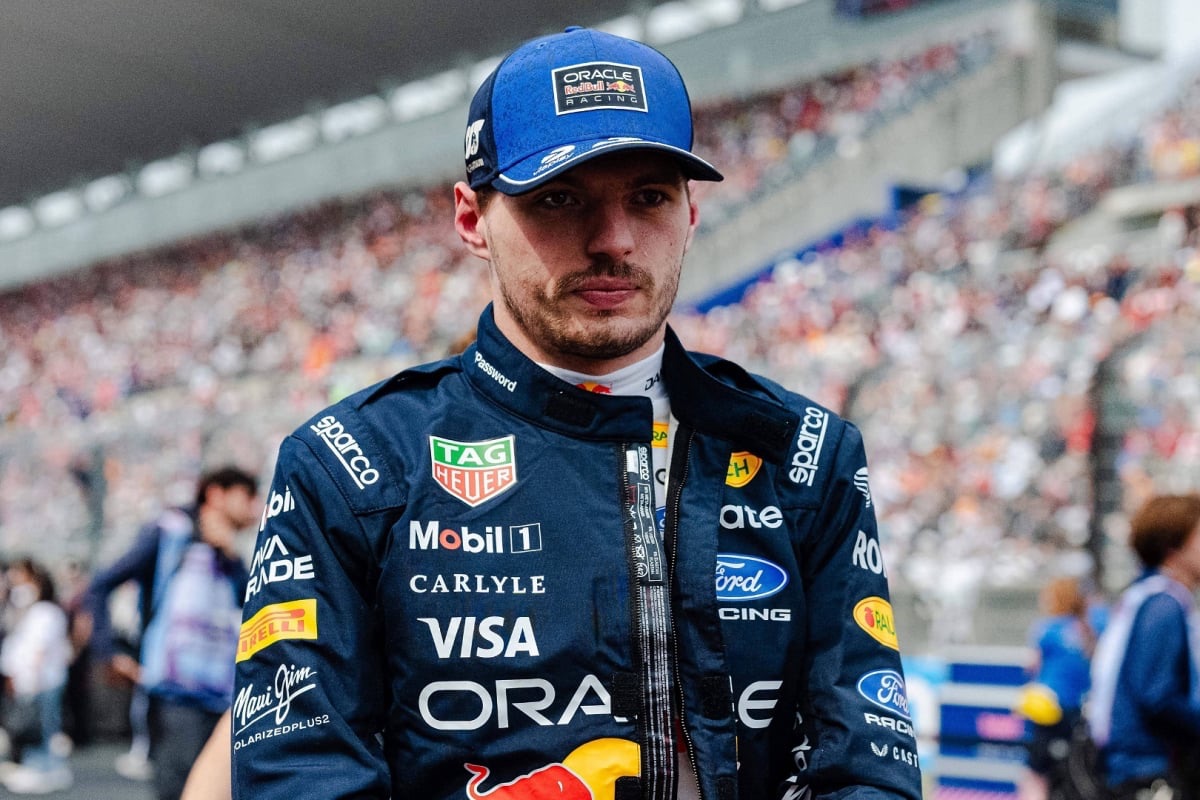
Tensions boiled over for Max Verstappen during a dramatic weekend at the Japanese Grand Prix, as both his on-track struggles and off-track conduct sparked intense debate across the Formula 1 paddock.
The reigning four-time world champion endured a frustrating race at Suzuka, finishing down in eighth place — a result far below the high standards he has set in recent seasons. But it wasn’t just his performance that drew attention. Instead, much of the spotlight shifted to his behavior during media duties, where an incident involving a journalist quickly escalated into a wider controversy.
Ahead of the race, Verstappen reportedly requested the removal of Giles Richards, a journalist from The Guardian, from one of his press sessions. The move is believed to stem from a previous disagreement between the two, which the Dutch driver had not forgotten. What might have been a private grievance soon became public, triggering concern among members of the media.
In response, a group of journalists covering Formula 1 came together to issue a formal statement calling on the FIA to intervene. They argued that allowing drivers to exclude specific reporters could undermine press freedom and set a troubling precedent within the sport. The statement emphasized the importance of maintaining open and fair access between drivers and the media, regardless of past conflicts.
The situation has only added to what appears to be a growing sense of frustration for Verstappen this season. The Dutchman has been increasingly vocal about his dissatisfaction with Formula 1’s evolving regulations, which he believes are negatively impacting the racing experience. Combined with Red Bull’s inconsistent performance in the early part of the campaign, it has created a tense atmosphere around the defending champion.
Following the race, Verstappen addressed speculation about his long-term future in the sport. While rumors have circulated suggesting he could consider walking away from Formula 1 earlier than expected, he stopped short of making any definitive statements. Instead, he acknowledged his frustrations but maintained that he remains committed for now, even if certain aspects of the sport are testing his patience.
“I’ve said before that I want to enjoy what I’m doing,” Verstappen explained after the race. “If that feeling changes, then you start to question things. But at the moment, I’m still here, still competing.”
His comments have done little to quiet speculation, particularly given his candid nature and history of speaking openly about his motivations. Some observers believe that continued dissatisfaction — whether with regulations, media scrutiny, or team performance — could eventually push him toward a shock early retirement.
Meanwhile, the FIA has yet to publicly respond to the journalists’ demands for action. However, the governing body now faces increasing pressure to clarify its stance on media access and driver responsibilities. Any decision they make could have significant implications for how Formula 1 manages the relationship between competitors and the press moving forward.
The controversy has also divided opinion within the paddock. While some sympathize with Verstappen’s right to manage his personal interactions, others argue that drivers, as public figures, have a responsibility to engage professionally with all accredited media.
As Formula 1 heads into the next round of the season, the fallout from Suzuka continues to dominate headlines. For Verstappen, the challenge now is not only to rediscover his form on the track but also to navigate the growing scrutiny surrounding his actions off it.