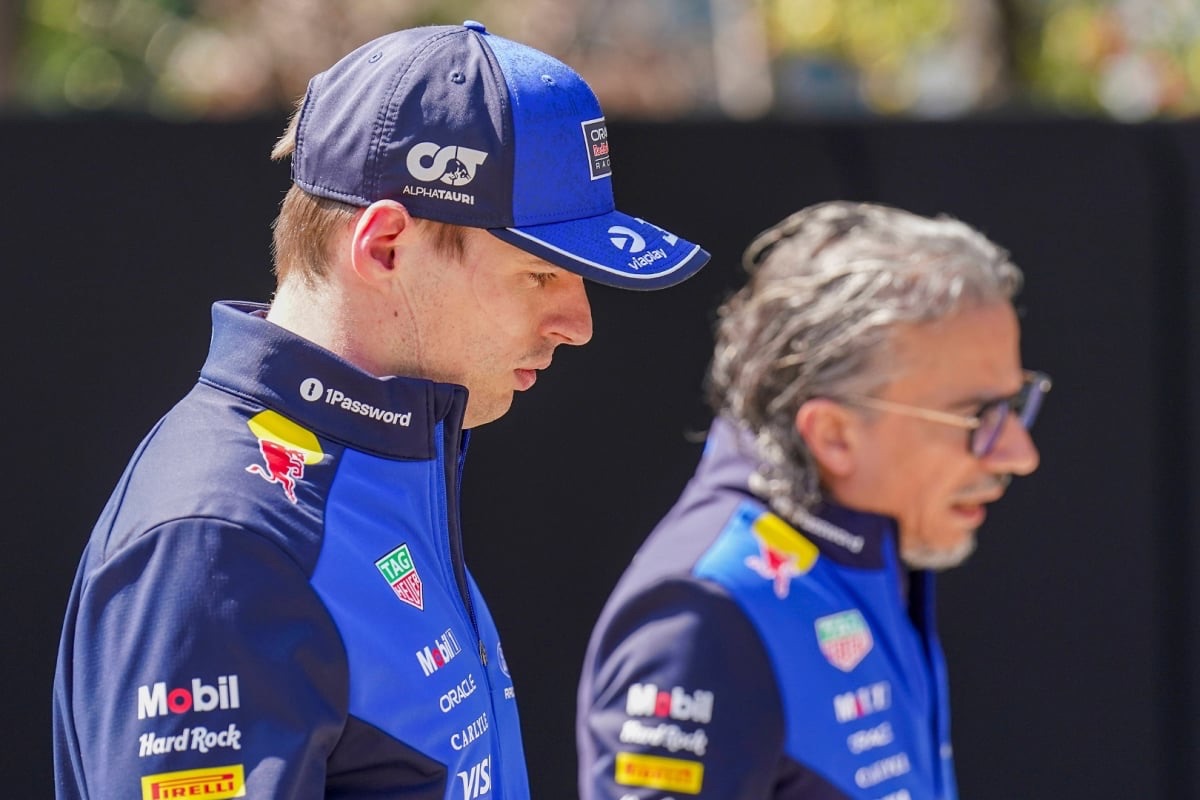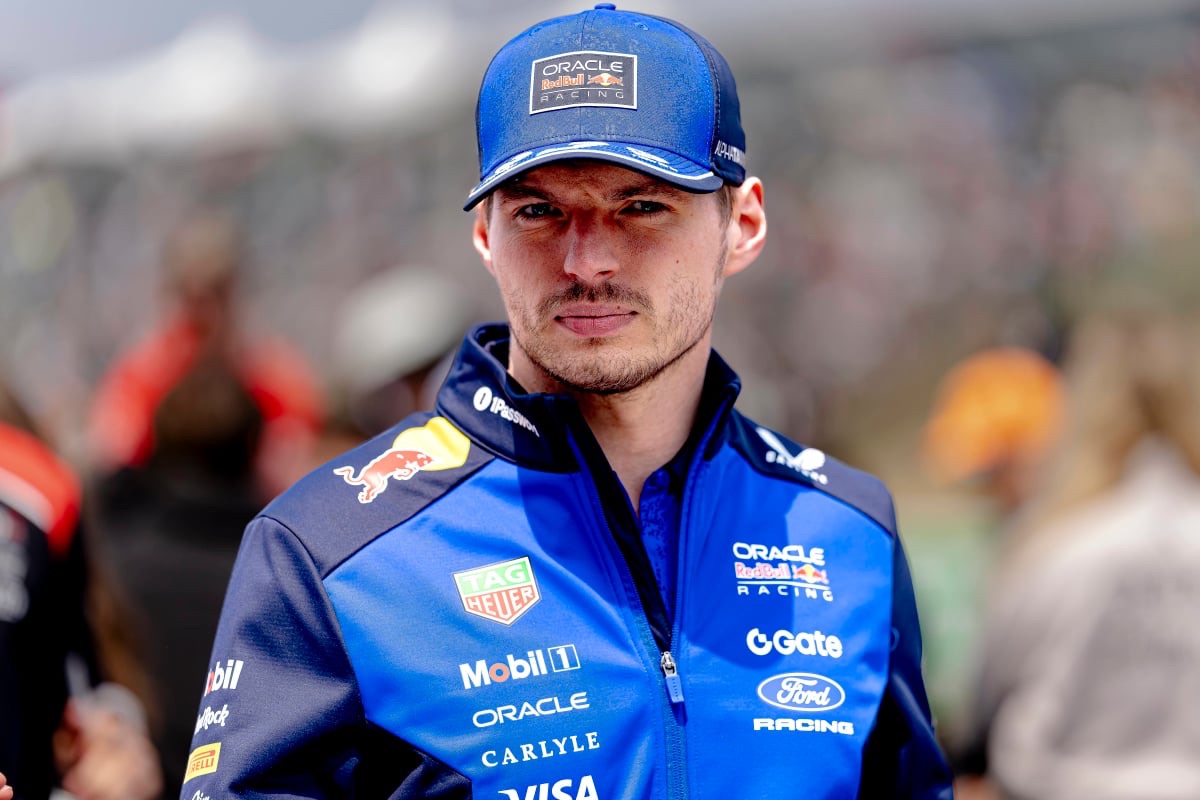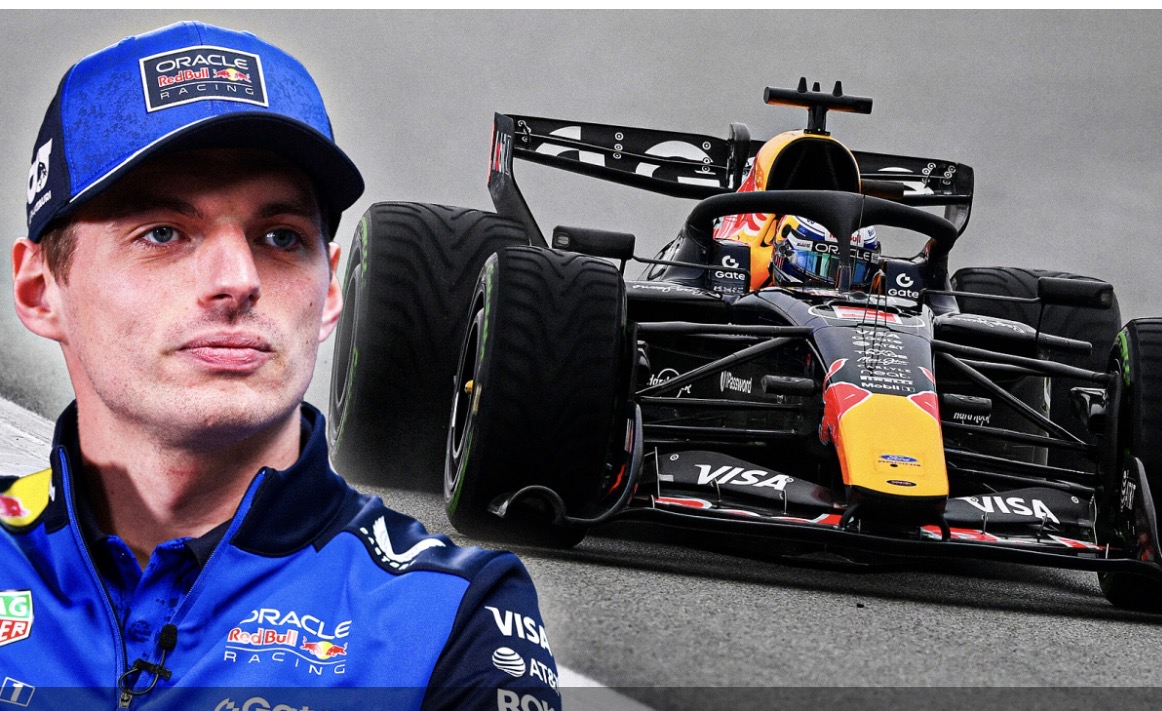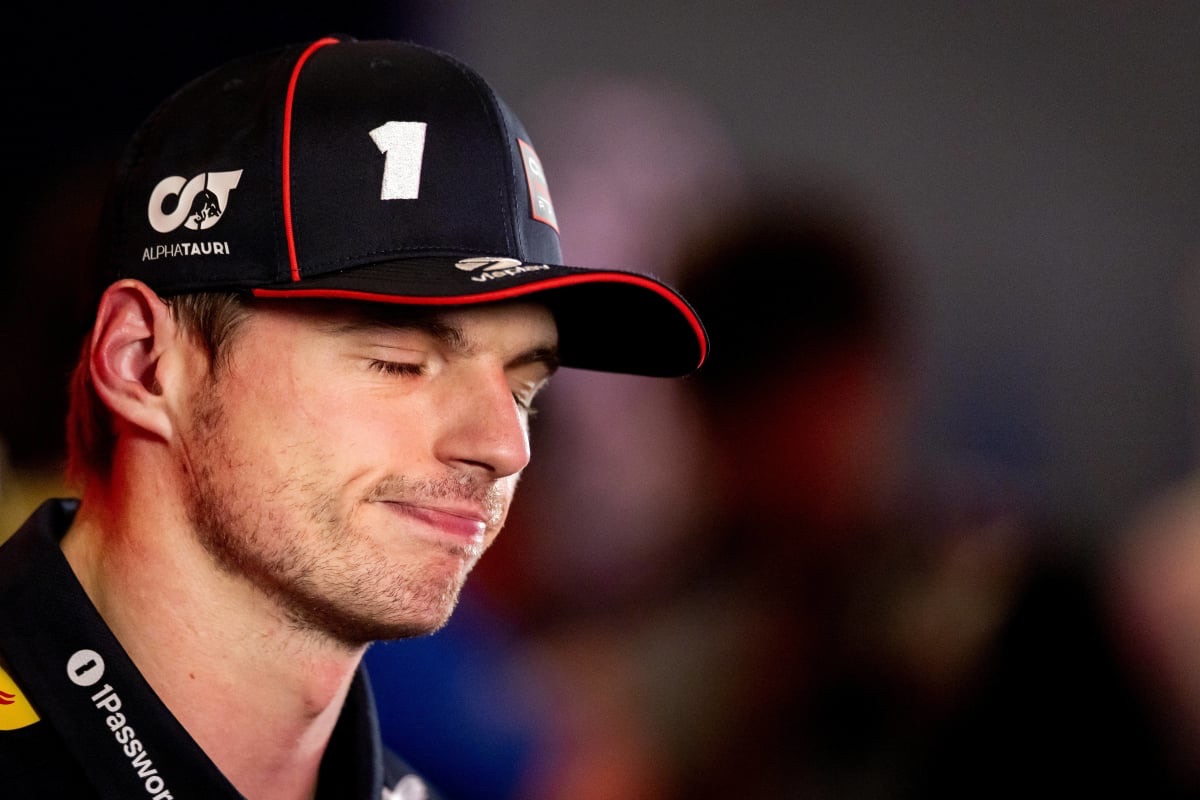
The four-time Formula 1 world champion Max Verstappen was notably absent from the FIA Prize Giving Gala in Uzbekistan, an event which celebrates achievements across FIA-governed motorsport disciplines and honors championship winners and standout performances from the recent season. Despite being one of the most prominent figures in the sport and narrowly missing out on defending his title this year, Verstappen did not make the journey to attend in person. Instead, he shared a personal video message that explained why he was unable to be present, sent his congratulations to the winners, and reflected on the season.
Medical Advice Prevented Travel
Verstappen’s absence stemmed from a sudden bout of illness. In the days leading up to the ceremony, it became clear that the Dutch driver was suffering from the flu. Because of this, his medical team advised against flying, citing health risks associated with air travel while unwell. On doctors’ instructions, he ultimately did not board a flight to Uzbekistan. This precautionary decision meant he had to miss a high-profile occasion that typically attracts all the sport’s leading competitors, team members, and officials.
Although details about the severity of his flu were not extensively elaborated in official statements, Verstappen himself emphasized in his video that it was serious enough to warrant strong medical guidance not to fly. This aligns with common medical recommendations that people with significant respiratory or systemic illnesses avoid air travel when possible, due to potential complications caused by changes in cabin pressure and close proximity to others.
Recorded Message and Congratulations
Despite not attending the event in person, Verstappen made sure his presence was felt through video. In the message shown at the gala, he expressed regret for not being able to join his peers and the FIA leadership, explaining that the doctors had “prevented” him from flying due to his health condition.
He took several opportunities in his remarks to send warm congratulations to various parties. First, he acknowledged Mohammed Ben Sulayem, who had just been re-elected as FIA President. Verstappen highlighted his confidence that the sport would experience “very exciting times” under Sulayem’s leadership in the years ahead, reinforcing a positive outlook for Formula 1 governance.
Beyond the administrative accolades, Verstappen also congratulated fellow competitors and champions across the field. He spoke directly to all the winners recognized that night, commending the dedication and hard work it takes to achieve success in motorsport. His message was inclusive, celebrating those in Formula 1 as well as champions from other FIA-sanctioned series.
Particularly, Verstappen offered heartfelt praise to Lando Norris and the McLaren team, who had enjoyed a sensational season. Norris had secured his first Formula 1 World Championship title after a dramatic finale in Abu Dhabi, finishing just ahead of Verstappen by two points and cementing a breakthrough year for McLaren. Verstappen acknowledged how “unbelievable” their season was and how much he cherished battling with them on track until the final rounds of the championship.
Recognition in Absentia
Although Verstappen was not physically present to collect his award, he was still recognized during the FIA event. One of the accolades he was set to receive was the “FIA Action of the Year” for his bold and memorable overtake on Oscar Piastri at the Imola Grand Prix. This daring move — sweeping around the outside into turn three — was celebrated as one of the standout moments of the season. Receiving such an award in absentia is noteworthy: it demonstrated that even without being there personally, Verstappen’s impact on the sport continued to be acknowledged by the FIA and his peers.
Broader Gala Highlights
The FIA Prize Giving Ceremony itself was a wide-ranging celebration. Outside Formula 1, champions from other tiers of competition were honored. For example, Rafael Camara, who dominated the FIA Formula 3 Championship, was named Rookie of the Year after a spectacular debut season that saw him clinch the title with a race to spare. Additionally, Leonardo Fornaroli received his trophy for winning the FIA Formula 2 Championship. And in endurance racing, Ferrari’s endurance squad was celebrated for capturing their first World Endurance Championship titles since the early 1970s — a historic achievement.
Beyond individual awards, the ceremony provided a platform to spotlight successes in different motorsport disciplines and applaud the collective efforts of drivers, teams, engineers, and support personnel who contribute to competitive motorsport. It is always an occasion that blends formality with the festive spirit of championship anniversaries, bringing together the global racing community.
Context and Potential Implications
Verstappen’s non-attendance at the gala is significant for a number of reasons. Traditionally, prominent figures like world champions make it a point to attend such events, not only to receive their trophies but also to engage with sponsors, media, and the wider motorsport fraternity. That Verstappen chose to abide by medical advice — and openly acknowledged it — underscores his commitment to health and professional responsibility, especially following an intense and physically demanding season.
There has been discussion among fans and commentators about whether missing the event could carry any repercussions from the FIA (such as financial penalties or formal warnings), particularly given past situations involving other drivers’ absences. However, because Verstappen’s absence was clearly due to a medical condition, and given that he communicated this transparently with a sincere video message, it is unlikely that the FIA would take disciplinary action. Under FIA rules, legitimate medical explanations typically qualify as force majeure and excuse contractual obligations such as event attendance.
Final Notes
In closing, although Max Verstappen’s absence from the 2025 FIA Prize Giving Gala was noticeable, his thoughtful and respectful communication ensured that he remained part of the proceedings. His video message not only explained the circumstances but also reflected a spirit of camaraderie and respect for his fellow competitors and the broader motorsport community. This episode illustrated how top athletes, even when unable to attend public celebrations, can still connect meaningfully with fans and colleagues alike through well-crafted messages and genuine engagement.