Max Verstappen Branded ‘Factually Incorrect’ After Blasting F1’s Radical 2026 Cars
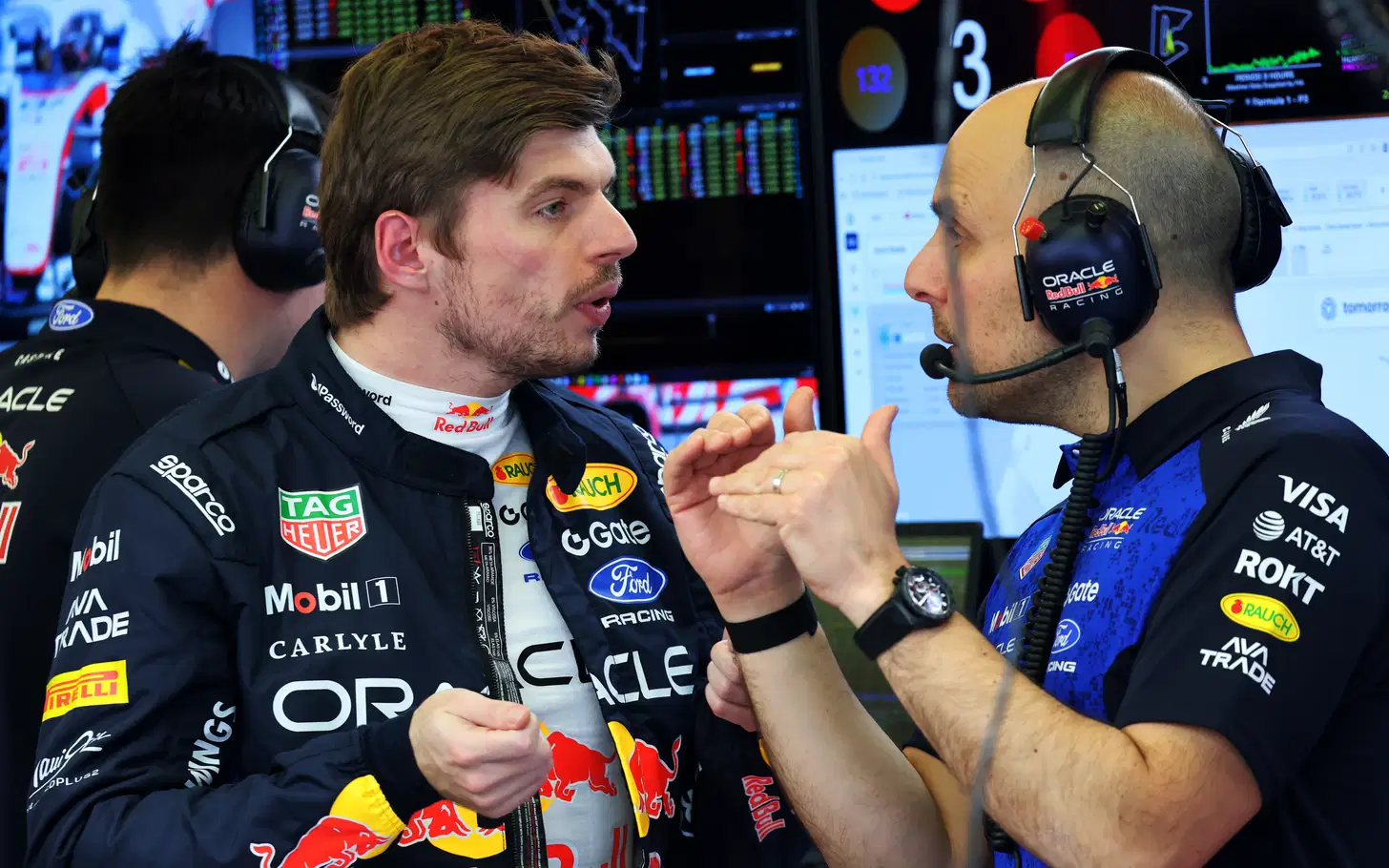
Max Verstappen has been told he is “factually incorrect” following his outspoken criticism of Formula 1’s all-new 2026 machinery, sparking a fresh debate about the sport’s bold technical direction.
The four-time world champion did not mince his words after experiencing the next-generation cars, which have been developed under sweeping new regulations that dramatically reshape the power unit concept. Designed to increase sustainability and place greater emphasis on hybrid technology, the 2026 cars mark one of the biggest resets in modern F1 history.
But Verstappen was unimpressed.
The Dutch star described the new challengers as feeling like “Formula E on steroids,” making clear his discomfort with the increased reliance on electrical energy. His remarks immediately reverberated across the paddock, reigniting discussions over whether the sport is drifting too far toward electrification.
However, former F1 driver and respected analyst Anthony Davidson has strongly disagreed with that assessment, insisting Verstappen’s comparison to Formula E is wide of the mark.
Verstappen has never been shy about voicing his opinions. In recent seasons, he has criticised aspects of race management, sprint formats, and regulatory changes. His candour has become a defining trait of his personality — and as a multiple world champion, his words naturally carry significant weight.
Davidson acknowledged that Verstappen’s status demands his views be taken seriously. Yet he believes this time the reigning champion has mischaracterised the technical reality of the new cars.
“He’s always extremely vocal,” Davidson explained. “He doesn’t filter what he feels, and as a four-time world champion, of course people listen. But I don’t fully agree with his take.”
At the heart of the disagreement lies the function of the hybrid systems. Verstappen’s frustration centres on the expanded role of electrical deployment within the new power units. The 2026 regulations increase the proportion of energy supplied by the battery while simplifying certain components, such as removing the MGU-H and enhancing the MGU-K output.
To Verstappen, that shift risks changing the DNA of Formula 1, making it feel more like a purely electric category.
But Davidson argues the comparison overlooks a crucial difference in how energy is used.
In Formula E, drivers begin races with a fully charged battery and must carefully manage consumption to ensure they reach the finish. Energy usage is largely a one-way process — from full charge at the start toward near depletion at the end — with drivers constantly balancing pace against preservation.
Formula 1’s hybrid system works very differently.
Rather than steadily draining a fixed energy supply, F1 cars continuously harvest and redeploy energy throughout each lap. Under braking, the energy recovery systems capture kinetic energy and feed it back into the battery. That stored power can then be deployed strategically for overtakes, defensive moves, or straight-line speed boosts. It is a cycle of constant charging and discharging, not simple conservation.
“In Formula 1, you’re harvesting and redeploying all the time,” Davidson stressed. “It’s a completely different concept from Formula E in that respect.”
The 2026 overhaul is intended to modernise F1’s technology and align it more closely with road-relevant hybrid development. The increased electrical component has already attracted major manufacturer interest, reshaping the competitive landscape for the next era of the championship.
Yet adaptation will be key. The cars are expected to feature revised aerodynamics, altered weight characteristics, and new deployment strategies that could significantly impact driving styles.
For Verstappen, whose aggressive and instinct-driven approach has flourished under the current generation of ground-effect cars, the transition may feel particularly stark. His comments suggest a concern that increased energy management could dilute the raw racing element he values.
Still, Davidson’s rebuttal highlights the technical nuance behind the changes. While electrical power will play a larger role, Formula 1 remains a hybrid championship built on dynamic energy regeneration — not a pure electric series governed by simple battery depletion.
The disagreement reflects a broader philosophical tension within the sport. F1’s leadership sees the 2026 rules as essential to securing the championship’s long-term relevance in an evolving automotive world. Some drivers, however, worry about how those ambitions will translate into the on-track spectacle.
As development progresses and the new cars edge closer to competitive debuts, the real verdict will come under race conditions. Until then, the debate rages on — with one of the sport’s biggest stars now facing pushback over whether his early criticism truly reflects the facts.