more
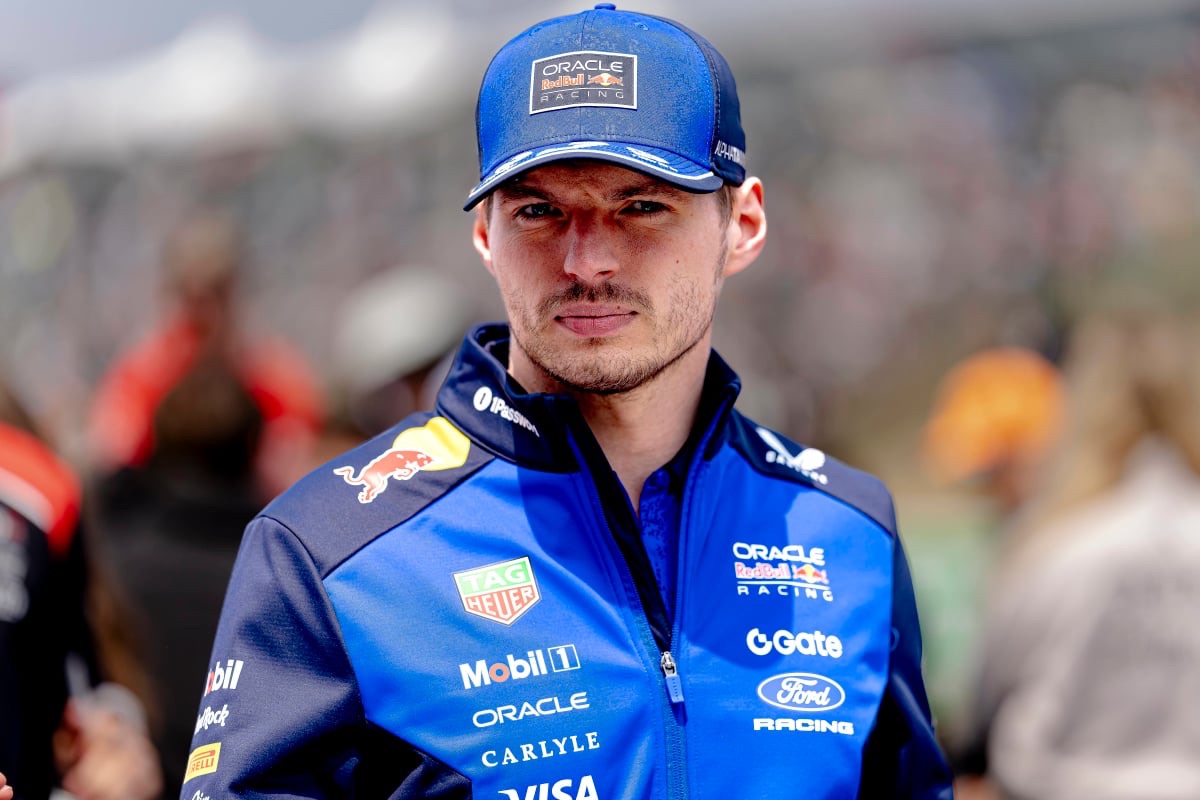
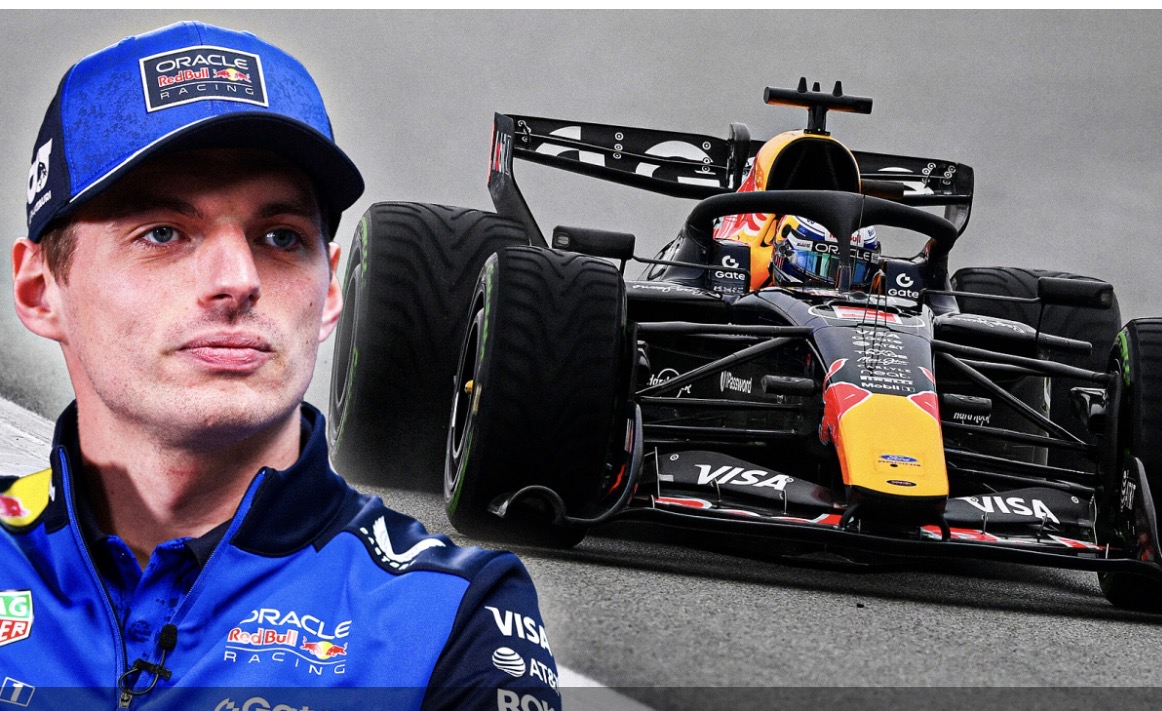
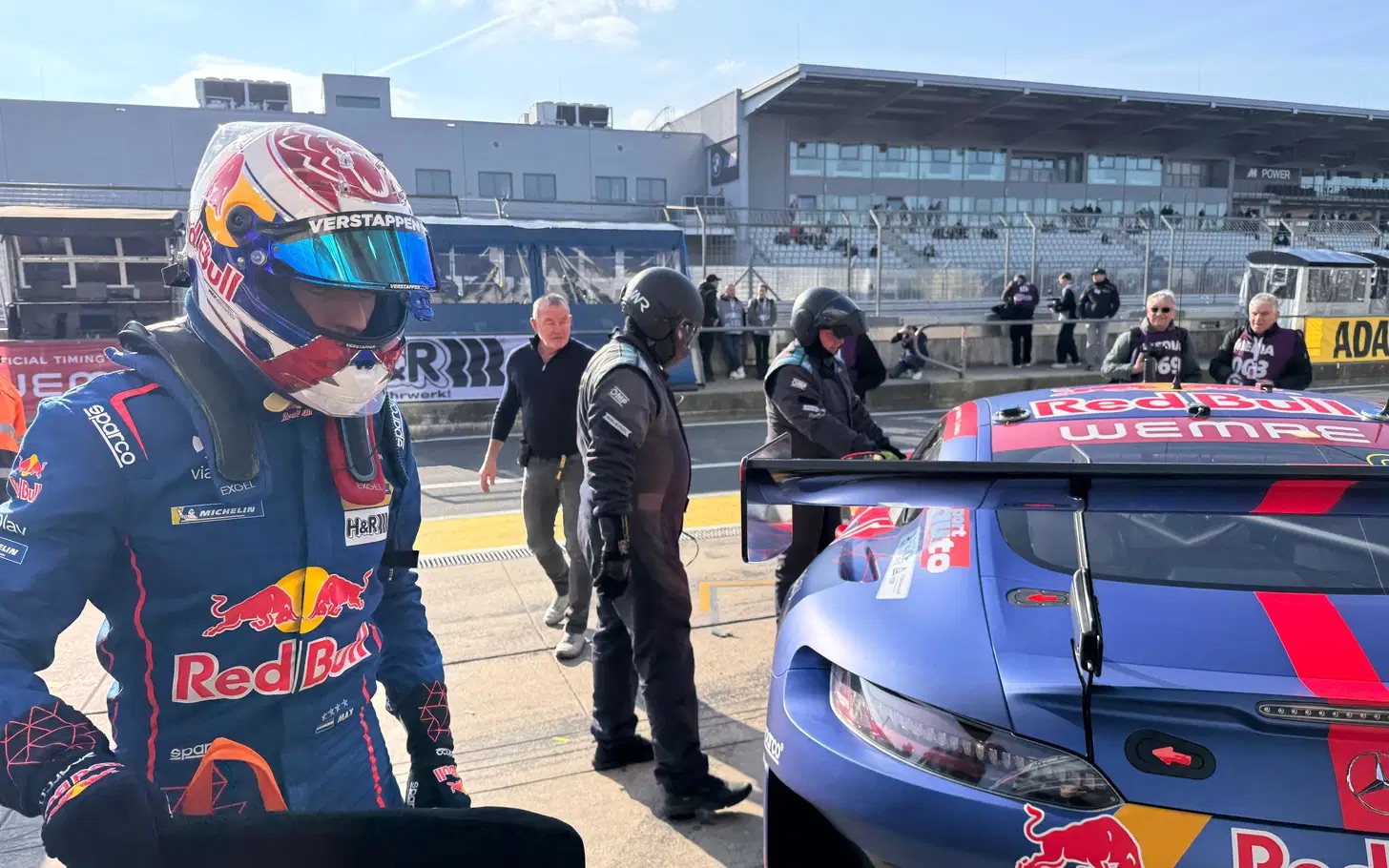
Four-time Formula 1 world champion Max Verstappen endured a dramatic and emotional turnaround at the legendary Nürburgring, as a triumphant victory quickly turned into disappointment following a post-race disqualification.
Verstappen, widely known for his dominance in Formula 1 with Red Bull Racing, stepped away from his usual single-seater machinery to compete in the Nürburgring Langstrecken-Serie (NLS2). Driving a Mercedes-AMG GT3 car for the Winward Racing outfit, he teamed up with experienced endurance racers Dani Juncadella and Jules Gounon. Together, the trio delivered an impressive performance, conquering the demanding Nordschleife circuit and crossing the finish line in first place.
The Nürburgring Nordschleife—often referred to as the “Green Hell”—is infamous for its unforgiving layout, combining high-speed sections with technical corners over more than 20 kilometers of track. Verstappen’s adaptability was once again on display as he seamlessly transitioned from Formula 1 to endurance racing, showcasing both speed and composure in a completely different racing discipline.
However, the celebrations were short-lived. Just hours after the race concluded, officials reviewed the car and identified a technical infringement that resulted in immediate disqualification. While specific details of the violation were not initially made public, the decision stripped Verstappen and his teammates of their hard-earned victory, turning what had been a successful outing into a frustrating setback.
The disqualification added another twist to what had already been a rollercoaster day for the Dutch driver, who had been praised for his standout performance behind the wheel of the GT3 machine. Fans and analysts alike had applauded his ability to dominate in unfamiliar conditions, further cementing his reputation as one of the most versatile drivers in modern motorsport.
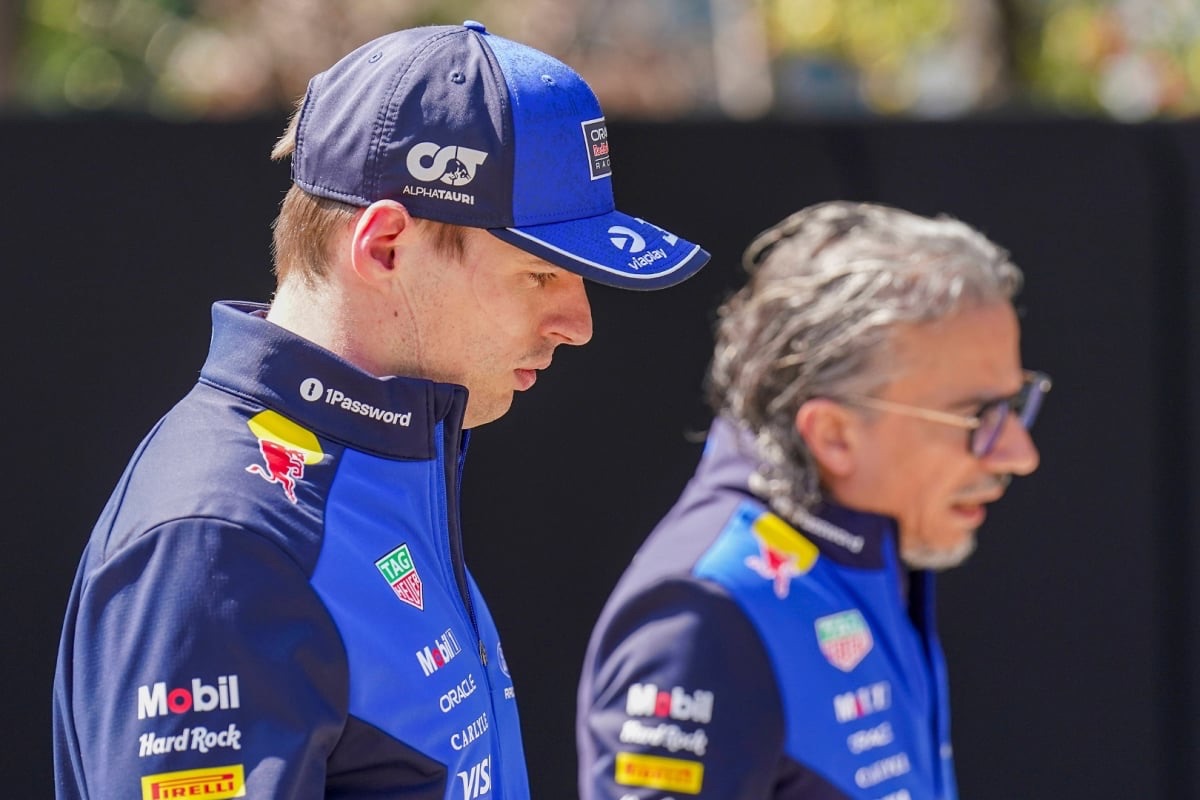
Amid the fallout, another revelation involving Verstappen’s activities at the Nürburgring emerged. Helmut Marko, a senior figure within Red Bull’s leadership structure, confirmed that the team has placed restrictions on Verstappen regarding certain types of driving at the circuit. Specifically, Marko disclosed that Verstappen has been prohibited from engaging in high-risk runs on the Nordschleife outside of controlled racing environments.
Marko reportedly described such activities as “too dangerous,” highlighting concerns over the inherent risks associated with the track. The Nordschleife’s narrow layout, limited run-off areas, and unpredictable conditions have long made it one of the most perilous circuits in the world. For a top-tier Formula 1 driver like Verstappen—whose presence is crucial to Red Bull’s championship ambitions—the risks are considered unnecessary.
Despite the ban, Verstappen’s passion for racing in different categories remains evident. His participation in endurance events like NLS2 reflects a broader desire to challenge himself beyond Formula 1, following in the footsteps of other elite drivers who have explored multiple racing disciplines.
While the disqualification will undoubtedly sting, Verstappen’s performance at the Nürburgring still reinforced his exceptional talent and adaptability. Even in defeat, he demonstrated why he is regarded as one of the best drivers of his generation—capable of excelling in any car, on any track, under any conditions.
In the end, what should have been a straightforward victory became a reminder of motorsport’s unpredictable nature, where success and disappointment can be separated by mere hours.