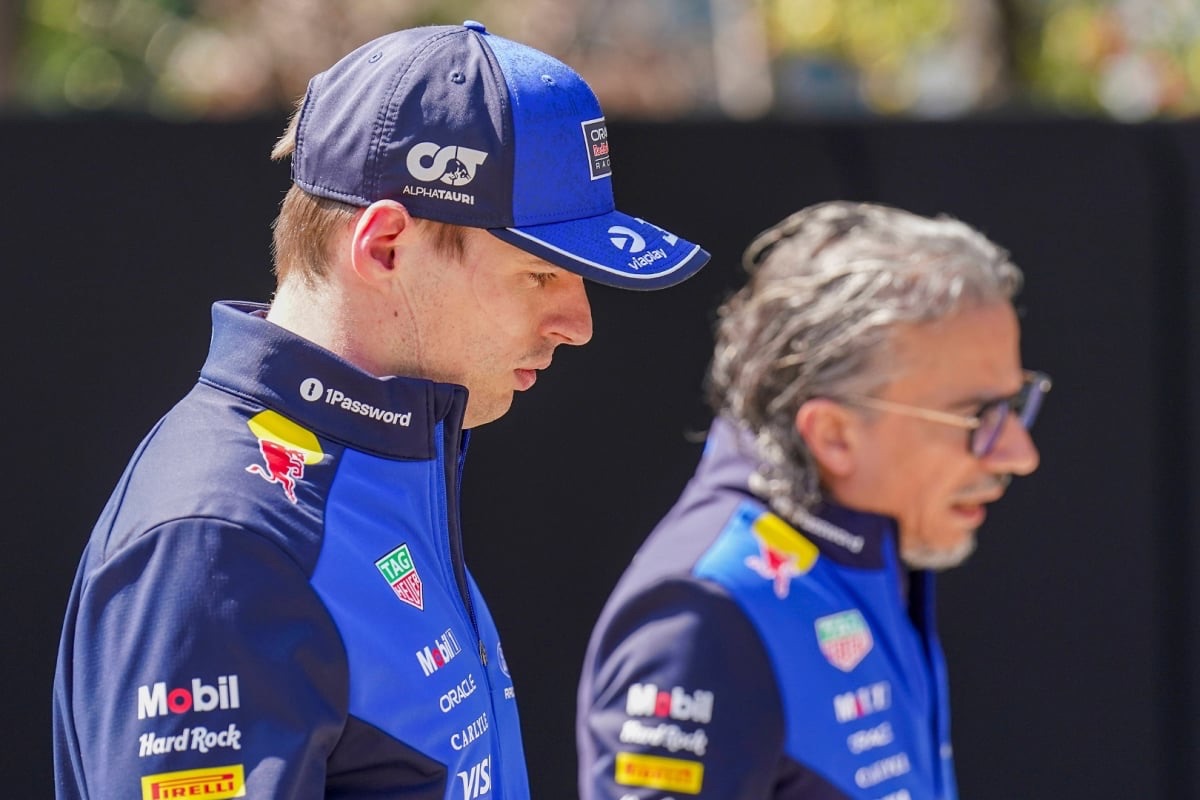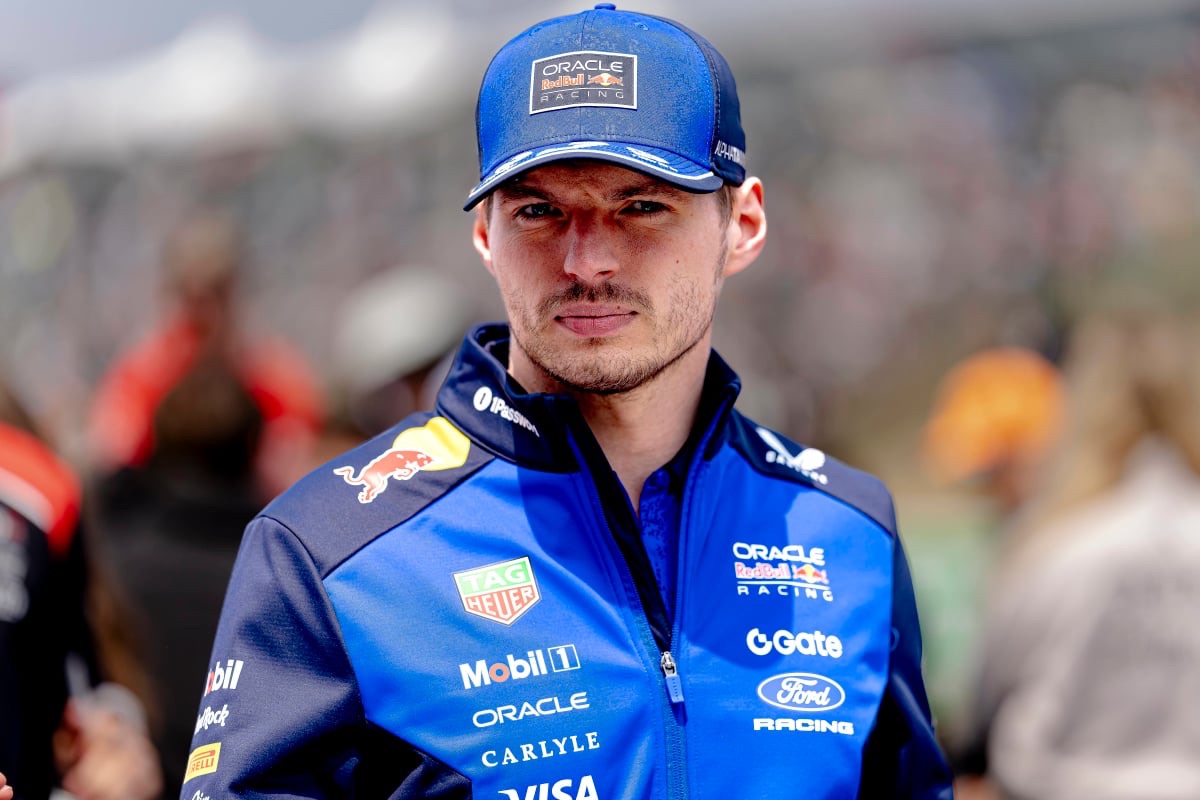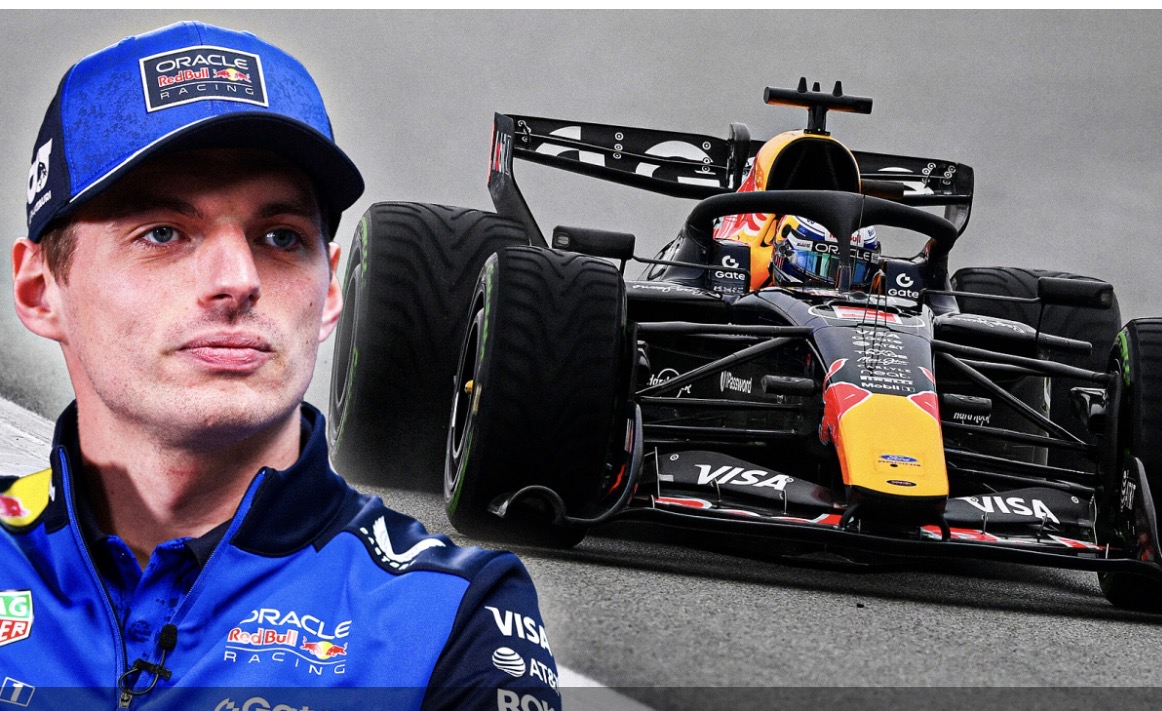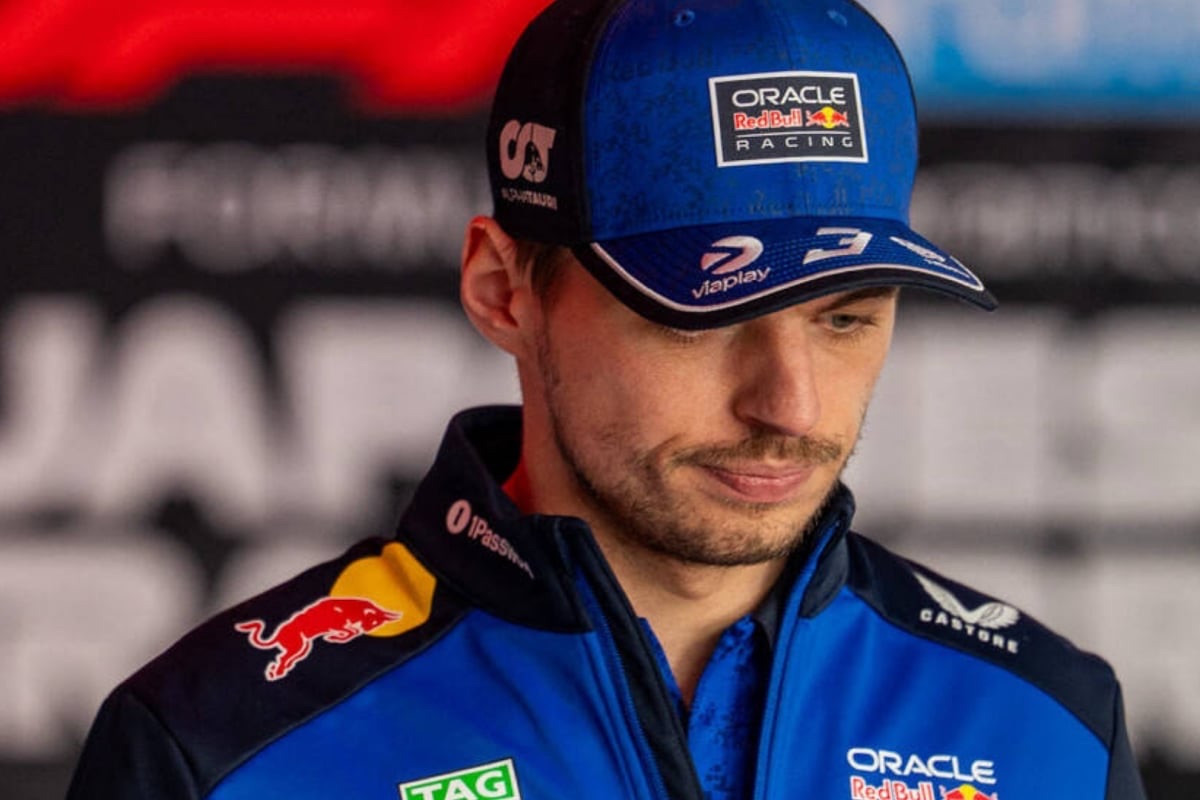
Four-time Formula 1 world champion Max Verstappen suffered a frustrating and unexpected blow during qualifying for the Japanese Grand Prix, marking another difficult chapter in what is quickly becoming a troubled start to his 2026 campaign. The Red Bull driver, known for his relentless consistency and ability to extract maximum performance from any machinery, fell short of expectations at the iconic Suzuka International Circuit.
Heading into the weekend, Verstappen had been eager to bounce back after collecting just eight points from the opening two races of the season—an unusually low tally for a driver of his calibre. However, instead of mounting a recovery, his struggles intensified during qualifying. The Dutchman failed to reach the final Q3 shootout, exiting in Q2 after being outpaced not only by rivals but also by his own teammate, Isack Hadjar.
Adding to the shock, rookie Arvid Lindblad delivered an impressive lap that pushed Verstappen further down the order, leaving the reigning champion to settle for 11th place on the starting grid for Sunday’s race. It marks a rare and humbling moment for a driver who has dominated the sport in recent years.
Verstappen’s frustration was evident immediately after the session. Over team radio, he expressed serious concerns about the car’s behaviour, suggesting a sudden and dramatic loss of drivability. He complained of instability at high speeds, particularly at the rear of the car, describing it as unpredictable and extremely difficult to control. The remarks point to deeper technical issues within the Red Bull package, which appears to be struggling for both balance and outright pace in the early stages of the season.
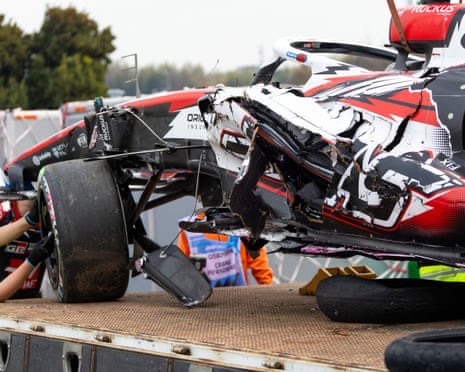
While Red Bull’s performance dip has been noticeable, Verstappen himself has not been immune to criticism. Historically praised for his ability to outperform his machinery, his 2026 form has been uncharacteristically inconsistent. Errors have crept into his driving, most notably during qualifying in Australia, where a crash compounded an already disappointing weekend.
The contrast with last season is striking. In 2025, Verstappen managed to secure eight race victories despite not always having the fastest car on the grid. His dominance that year was further highlighted by the struggles of his then-teammate Yuki Tsunoda, who accumulated just 30 points across the entire season. Verstappen’s ability to outperform the car was a defining trait of his championship-winning campaign.
However, the dynamics within Red Bull appear to be shifting in 2026. New teammate Hadjar has already outqualified Verstappen in two of the first three race weekends, signaling a potential change in the team’s internal hierarchy—or at least exposing vulnerabilities in the reigning champion’s form. Whether this is down to car characteristics, adaptation issues, or simple misfortune remains a topic of debate.
Compounding the issue is Verstappen’s position in the drivers’ standings. He already finds himself trailing championship leader George Russell by a significant 43-point margin. For a driver accustomed to leading from the front, such a deficit this early in the season raises serious concerns about his ability to mount a credible title defence.
With the race at Suzuka looming, Verstappen faces a daunting task to recover from his lowly grid position. While his racecraft is undeniable, the underlying issues with the car—and his own recent inconsistencies—suggest that a turnaround will be far from straightforward. If Red Bull cannot quickly address their performance problems, and if Verstappen cannot rediscover his trademark precision, the 2026 season could slip away far sooner than anyone anticipated.