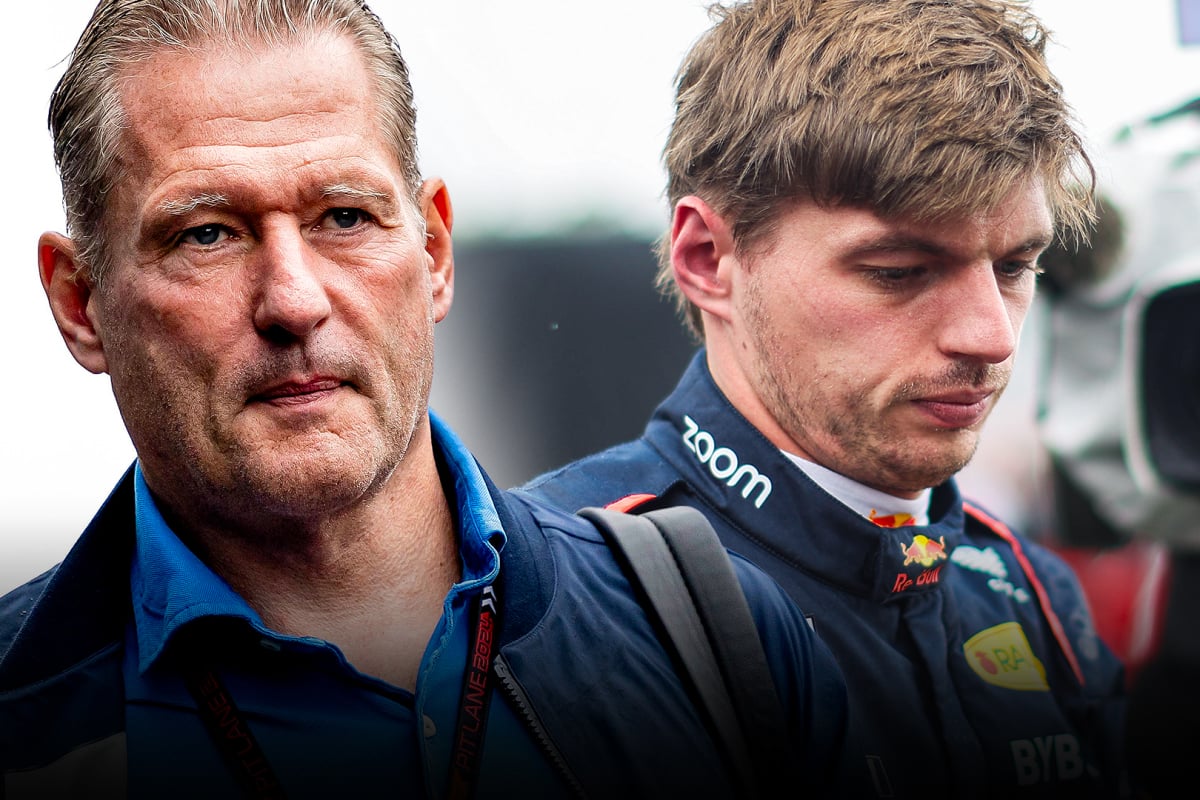
‘Never Good Enough’: Max Verstappen Reveals Father’s Ruthless Advice That Fuels His Relentless Drive
Four-time Formula 1 world champion Max Verstappen has opened up about the uncompromising mindset instilled in him by his father, Jos Verstappen — a mentality that continues to push the Red Bull star to search for perfection, even at the very top of the sport.
Despite already cementing his place among Formula 1’s modern greats with four drivers’ titles for Red Bull Racing, Verstappen insists he has never felt fully satisfied with any of his achievements. For the Dutchman, winning is not the end goal — it is merely part of a continuous pursuit of improvement.
As Formula 1 prepares for sweeping chassis and power unit regulation changes in 2026, Verstappen has been outspoken about his concerns. He has even suggested that if the new era of cars diminishes his enjoyment behind the wheel, he would consider stepping away from the sport. The 28-year-old has made it clear that he is motivated by passion and performance, not just trophies — and there are still several racing ambitions he hopes to fulfill beyond Formula 1.
Speaking recently on the Up to Speed podcast, Verstappen was asked by Sky Sports F1 analyst and former racer Naomi Schiff about his intense involvement in simulator racing and whether it contributes to his remarkable adaptability across different racing disciplines.
Verstappen’s response offered a revealing glimpse into his mentality.
“I’m constantly thinking about how I can improve or find more performance,” he explained. “I’m never satisfied with any result. After every weekend, I’m thinking, ‘Could we have tried something else? Could we have done more?’ That hunger to find extra performance never stops.”
That relentless drive was on full display last September when Verstappen claimed victory on his GT3 race debut at the legendary Nurburgring Nordschleife. The daunting German circuit, often referred to as the “Green Hell,” is considered one of the most challenging tracks in world motorsport. Winning there on debut underlined Verstappen’s natural versatility and hunger to test himself beyond Formula 1 machinery.
Off the track, he also dedicates significant time to sim racing as a leading driver and ambassador for Team Redline, one of the world’s most successful professional sim racing outfits. Verstappen has frequently emphasized that simulator racing is more than just a hobby; it is a tool for sharpening racecraft, exploring technical adjustments, and maintaining competitive instincts.
However, the roots of his tireless mentality trace back to childhood — and to the stern guidance of his father.
“My dad always told me, even when you win races, it’s never good enough,” Verstappen revealed. “There are always things you can look back at — could I have done this better, could we have looked deeper into the setup, could the engine have been optimized differently? That’s the approach I try to apply everywhere, including with my sim drivers.”
That philosophy — that victory alone is not validation — has shaped Verstappen’s character throughout his career. It explains why, even after dominant championship campaigns, he continues dissecting race weekends in search of marginal gains. For Verstappen, complacency is the true enemy.
His father, Jos Verstappen, understands the brutal demands of Formula 1 firsthand. Competing in the sport from 1994 to 2003, Jos began his F1 career with Benetton Formula alongside seven-time world champion Michael Schumacher. Although Jos showed flashes of speed and secured two podium finishes during his rookie season, he never managed to secure a race win. Over the years, he raced for several teams including Arrows and Minardi, but his F1 career ultimately yielded a best finish of third place.
Those experiences, both the highs and frustrations, shaped the advice he passed on to his son. Rather than allowing Max to become comfortable with success, Jos ensured he remained critical of himself and constantly striving for refinement.
That approach has arguably been a cornerstone of Verstappen’s dominance. In an era defined by razor-thin margins and fierce competition, the difference between winning and losing can come down to minute details — tyre management, setup tweaks, split-second decisions. Verstappen’s obsession with those details has elevated him from a prodigious talent to a generational champion.
Yet even with four world titles to his name, Verstappen’s mindset remains unchanged. He is not chasing validation; he is chasing improvement. Whether that pursuit continues solely within Formula 1 or expands further into endurance racing and GT competition may depend on how the sport evolves in the coming years.
One thing, however, appears certain: as long as Verstappen competes, “good enough” will never be enough.