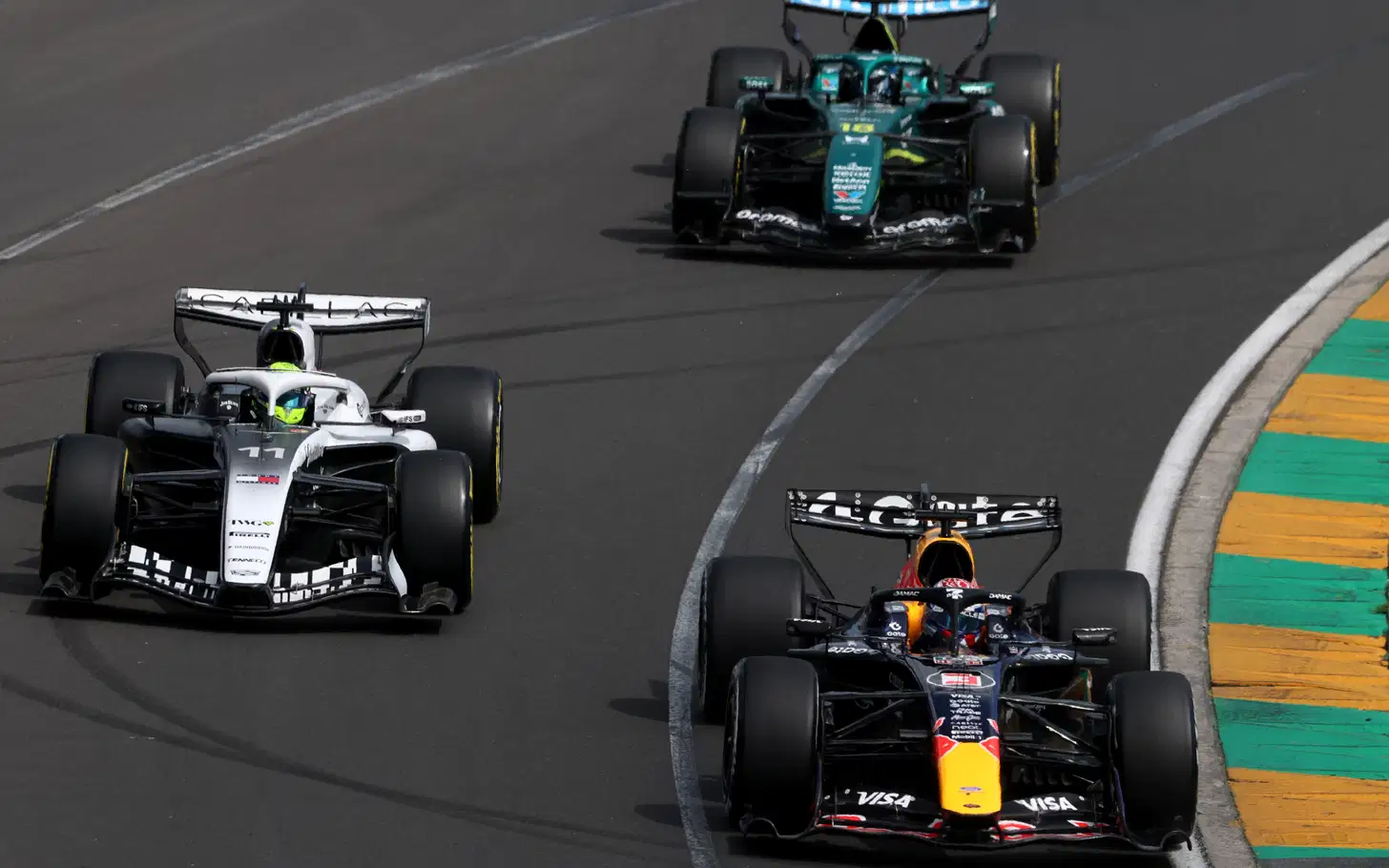
Max Verstappen Holds Talks With FIA Over ‘Dangerous’ Empty Battery Issue in F1
Max Verstappen has revealed that he is currently in discussions with the Fédération Internationale de l’Automobile (FIA) regarding what he describes as a “dangerous” problem in Formula 1 — drivers beginning races with little or no battery charge.
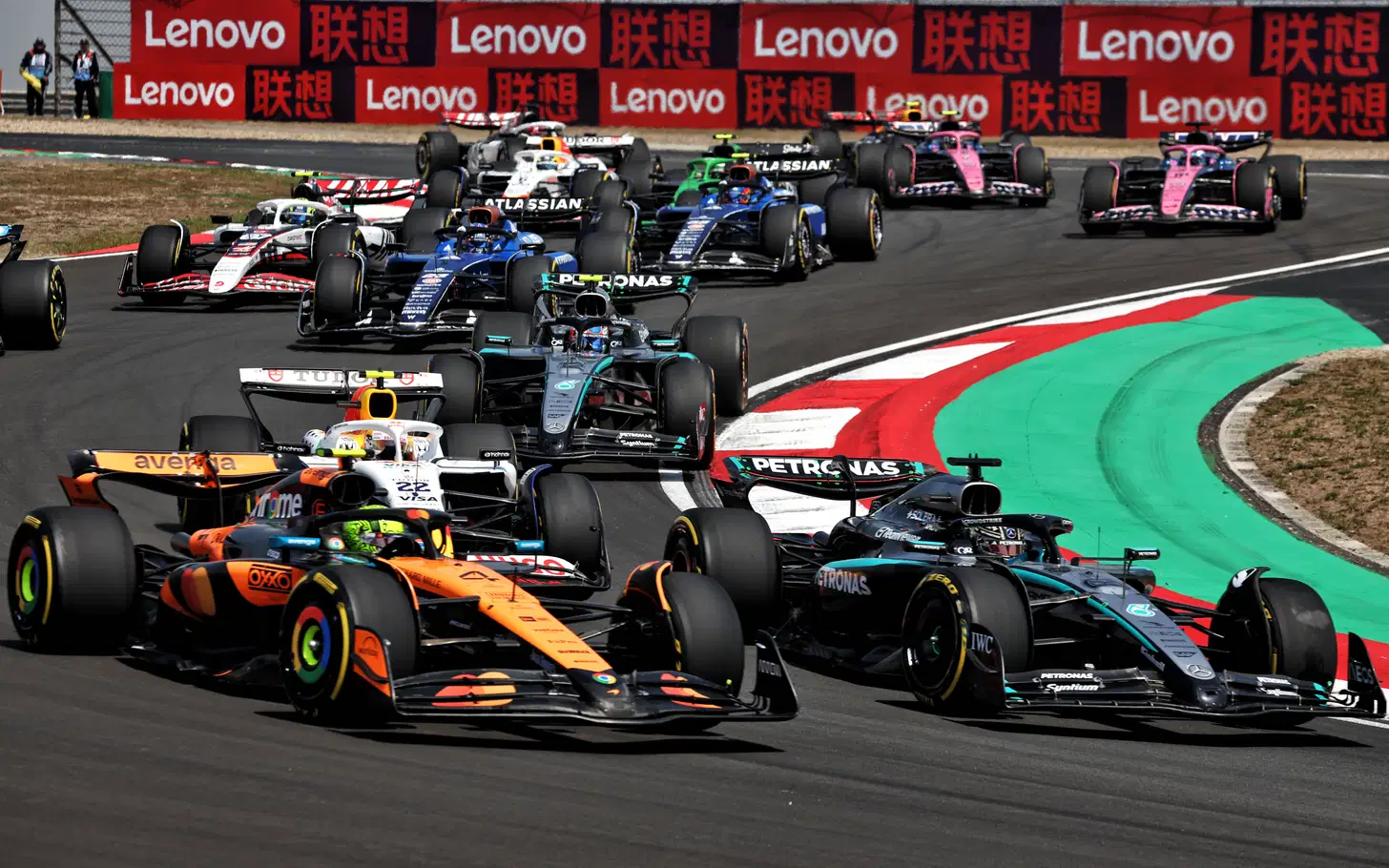
The issue became a major talking point during the opening race of the 2026 season at the Australian Grand Prix, where several drivers lined up on the starting grid with their energy storage systems nearly depleted. This created significant differences in acceleration when the lights went out, leading to potentially hazardous situations during the opening moments of the race.
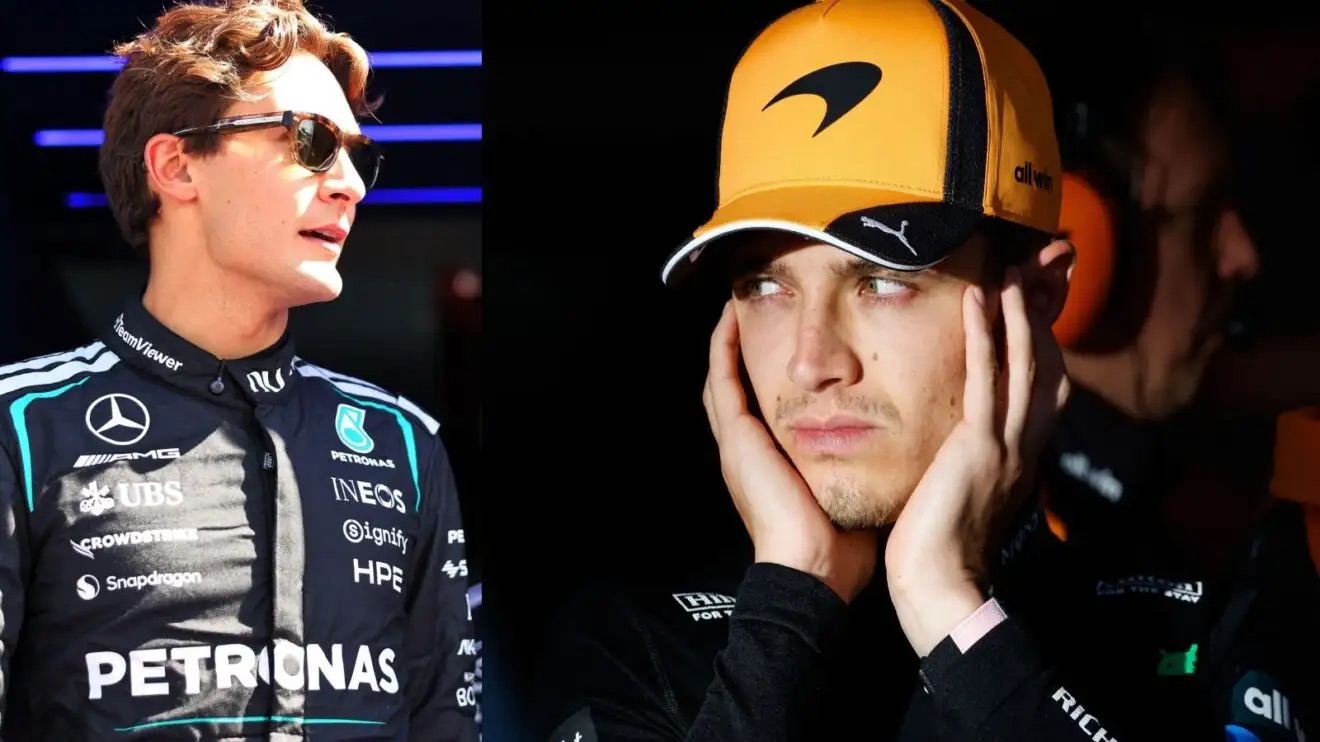
One of the most alarming incidents involved Liam Lawson and Franco Colapinto. Lawson struggled to launch his car due to a lack of battery charge, causing him to crawl off the line while the rest of the field accelerated normally. Colapinto, approaching at high speed, narrowly avoided crashing into the rear of Lawson’s car in what could have been a serious accident. The near-miss immediately raised concerns among drivers and teams about the safety implications of the new system.
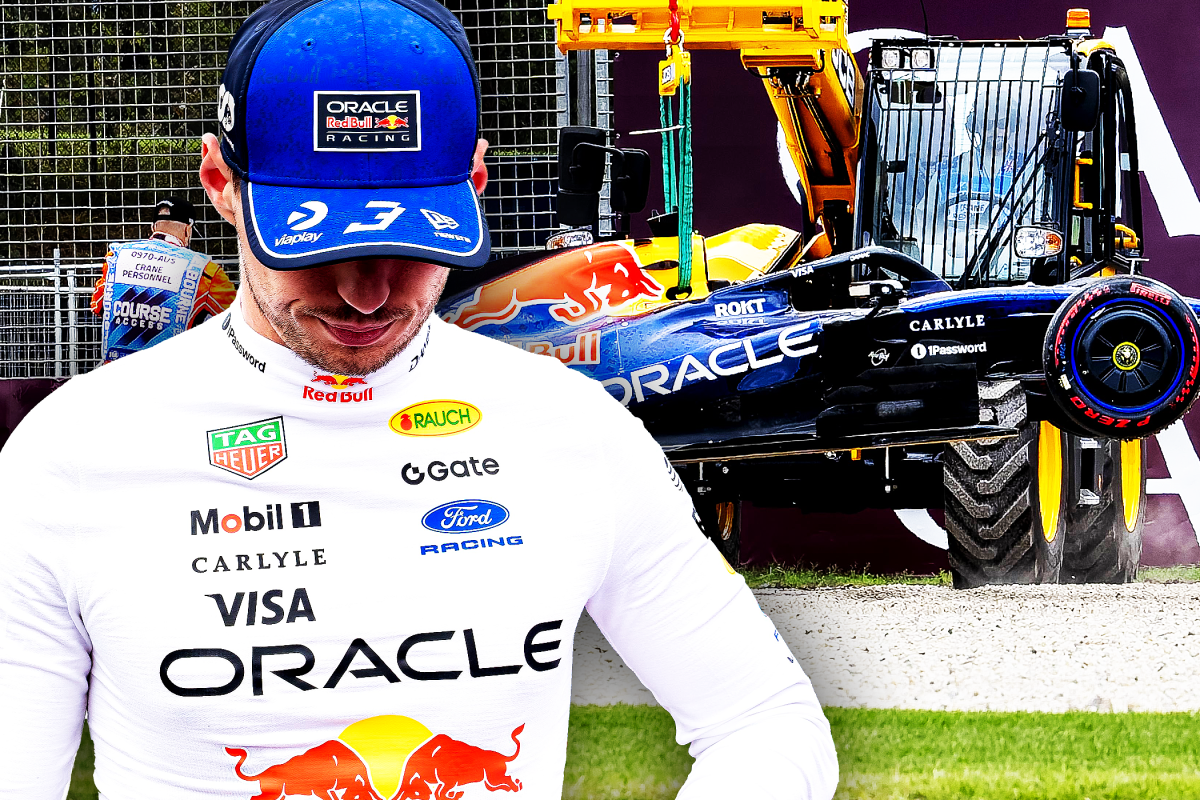
Verstappen himself was among the drivers affected by the problem. The reigning champion had a difficult qualifying session after crashing his Red Bull Racing car, forcing him to start the race from 20th place. As he prepared for the start, Verstappen also discovered that his car had almost no battery charge available.
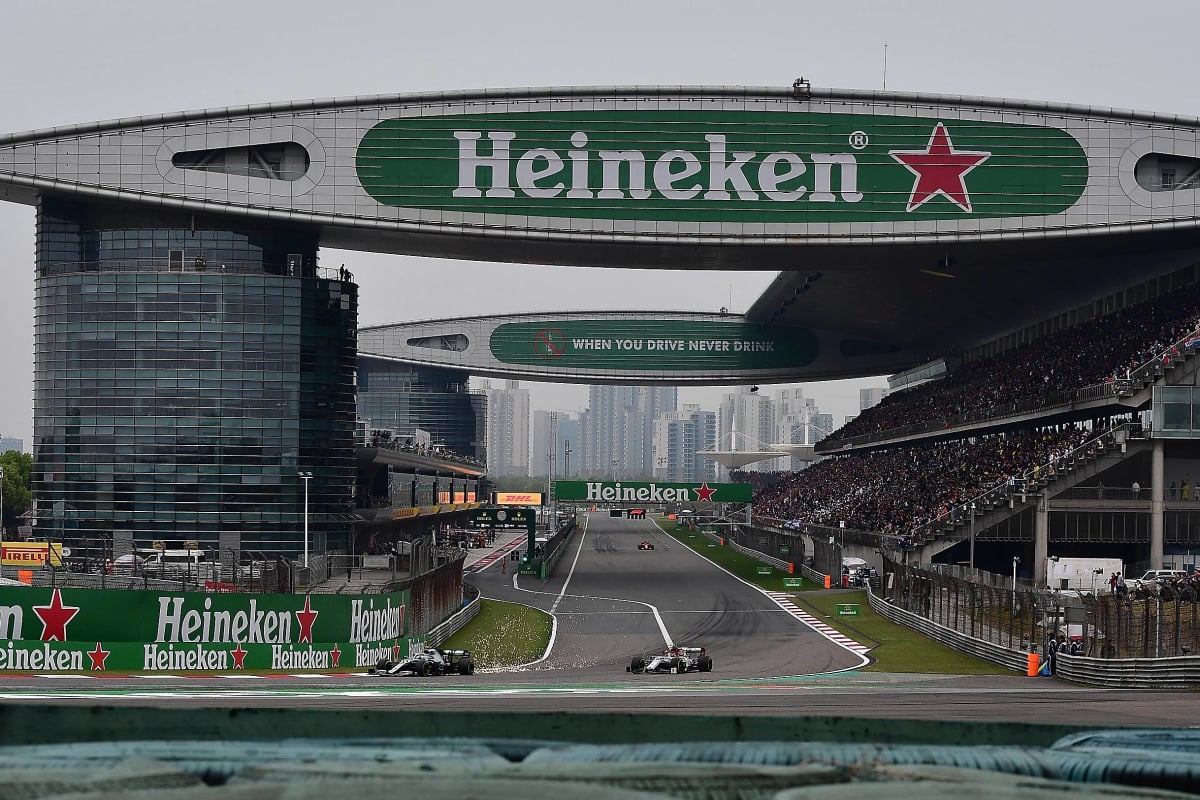
Speaking ahead of the upcoming Chinese Grand Prix in Shanghai, Verstappen explained that starting a race without energy in the battery system is not only frustrating but potentially unsafe for drivers on the grid.
According to the Dutchman, the solution may not be complicated. However, any changes would need approval from the FIA because they relate directly to the sport’s power unit regulations and energy deployment rules.
“There are actually a few simple solutions,” Verstappen said while discussing the issue with the media. “But they depend on what the FIA allows when it comes to battery-related systems.”
He stressed that beginning a race with a completely empty battery — or even a significantly low charge — puts drivers at a disadvantage and increases the risk of incidents at the start.
“Starting with zero percent battery isn’t enjoyable at all, and it can also be quite dangerous,” Verstappen explained. “We’re speaking with the FIA to see what can be done about it. In Melbourne you could see that we were very close to a massive crash at the start.”
The four-time world champion pointed out that the problem was not isolated to just one driver. Several cars on the grid had limited battery charge, creating large differences in acceleration as the race began. Those speed variations can easily lead to collisions, particularly when drivers are tightly packed together on the opening lap.
Verstappen suggested that while some aspects of the problem could be addressed through systems like anti-stall technology, the root cause still lies in how energy deployment is managed before the race start.
“There were big speed differences between cars,” he added. “I wasn’t the only one with almost no battery, or maybe only 20 to 30 percent. It’s something that I believe can be fixed quite easily.”
Beyond the immediate safety concern, the issue also ties into Verstappen’s broader criticism of Formula 1’s latest power unit regulations. The Dutch driver has previously voiced frustration about the direction the sport is taking with its hybrid systems and energy management requirements.
Despite those criticisms, Verstappen clarified that he is not considering leaving the sport. Instead, he hopes constructive discussions with the FIA can lead to meaningful improvements in the near future.
“I definitely hope this isn’t something we have to deal with for the next few years,” Verstappen said. “Ideally, we can already make some decent improvements by next season.”
For now, the FIA and teams will continue evaluating potential changes, with Verstappen indicating that several options are already being discussed behind the scenes as Formula 1 looks to ensure safer and more consistent race starts going forward.