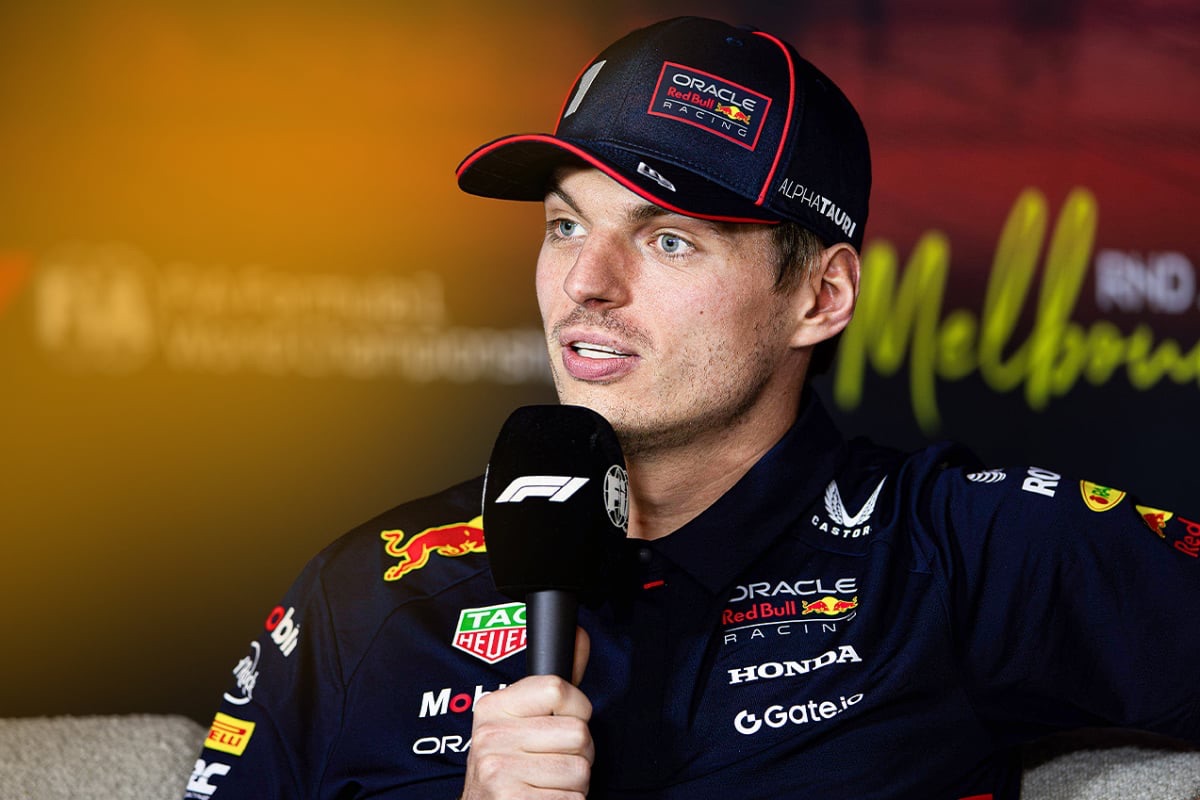
Max Verstappen hints at early F1 exit unless calendar is reduced
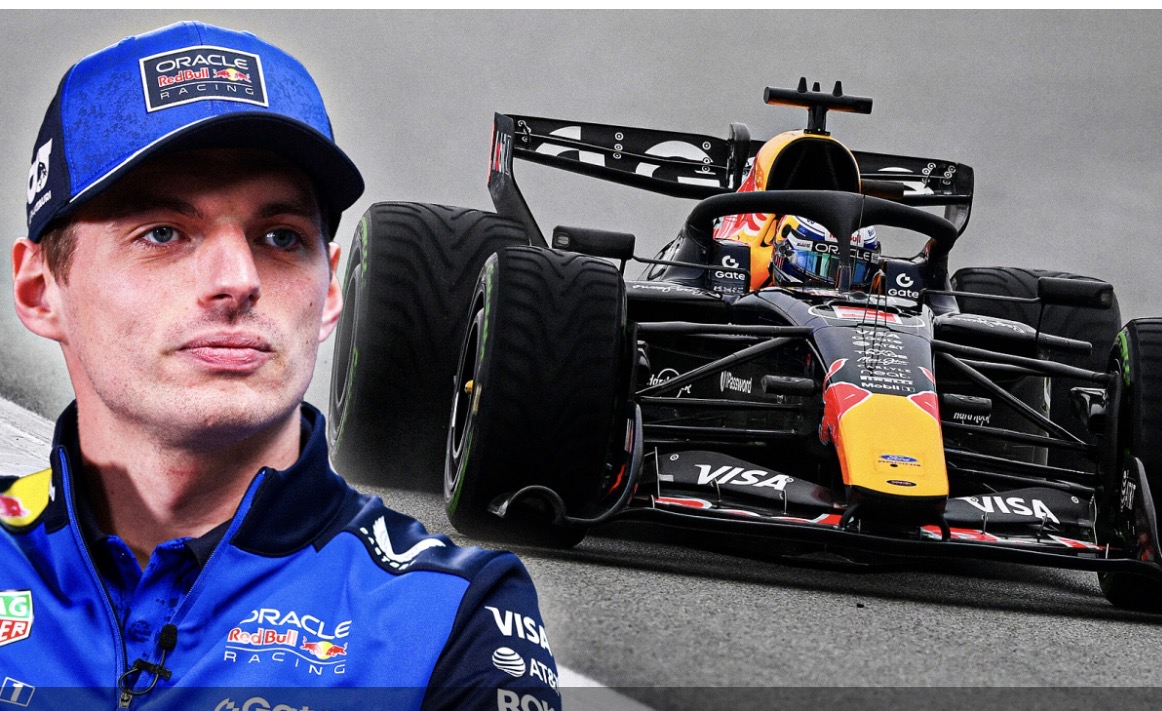
Four-time Formula 1 world champion Max Verstappen has once again fuelled speculation about an early retirement from the sport, warning that he may walk away as soon as 2031 if Formula 1 continues to expand its already demanding race calendar.
Verstappen, one of the most accomplished drivers of his generation, has been a fixture in Formula 1 since making his debut at just 17 years old. Over the past decade, the Dutchman has rewritten record books and established himself as a dominant force, particularly during his title-winning run with Red Bull. However, despite his immense success, Verstappen has made it increasingly clear that longevity in F1 is not one of his personal goals.
The 2025 season marked a shift in the competitive landscape. Verstappen narrowly missed out on a historic fifth consecutive world championship, finishing just two points behind McLaren’s Lando Norris. While Norris secured his maiden title, Verstappen still underlined his relentless competitiveness by claiming more race victories than any other driver, taking eight wins compared to seven apiece for Norris and McLaren teammate Oscar Piastri.
Attention is now turning toward the future, with Formula 1 preparing for sweeping technical regulation changes in 2026. These new rules could offer Red Bull an opportunity to return to the front of the grid and challenge McLaren’s recent dominance. Yet, even as anticipation builds for the new era, Verstappen’s comments suggest that his long-term commitment to the sport remains uncertain.
Speaking to Viaplay in an end-of-season interview, Verstappen expressed frustration with the ever-growing demands of the F1 calendar, which currently stands at a record 24 races per year. The Dutch driver made it clear that such a schedule is a major factor in shaping his thoughts about retirement.
“I don’t see myself racing in Formula 1 until I’m 44, especially not with 24 races a season,” Verstappen said. “Even being in F1 at 34 would already feel like too much.”
At just 28 years old, Verstappen’s remarks suggest that he could potentially have only five or six seasons left in the sport if nothing changes. This stance contrasts sharply with veterans like Fernando Alonso and Lewis Hamilton, who continue to compete well into their late thirties and early forties. Verstappen has previously stated that he does not envision following a similar path.
While his comments may be interpreted as a personal preference, they also appear to serve as a subtle warning to Formula 1’s leadership. The sport has aggressively expanded its global footprint in recent years, adding new venues and races to the calendar. Although this growth has boosted commercial success, it has also placed increased physical and mental strain on drivers, teams, and staff.
This is not the first time Verstappen has sparked concerns among fans about an early departure from Formula 1. He has repeatedly emphasized that racing is just one part of his life, not his entire identity. Away from F1, Verstappen is deeply involved in sim racing, has a strong interest in GT racing, and has openly spoken about his ambition to compete in the legendary 24 Hours of Le Mans.
Adding another dimension to his outlook is his personal life. Earlier this year, Verstappen and his partner Kelly Piquet welcomed a child, a milestone that has reportedly influenced how he views his future. Balancing family life with a relentless 24-race calendar that spans nearly the entire year is a challenge he does not take lightly.
Ultimately, Verstappen’s decision on how long to remain in Formula 1 may depend on more than just the number of races. His competitive nature suggests that he would have little interest in continuing if he is no longer fighting at the front. Should Red Bull fall into the midfield for an extended period, the motivation to stay could quickly fade.
For now, Verstappen remains fully focused on returning to championship contention under the 2026 regulations. However, his latest comments send a clear message: unless Formula 1 addresses concerns over calendar length and workload, the sport risks losing one of its greatest talents far earlier than expected.