Max Verstappen Orders Journalist Out as Aston Martin Timeline Sparks Fresh Drama
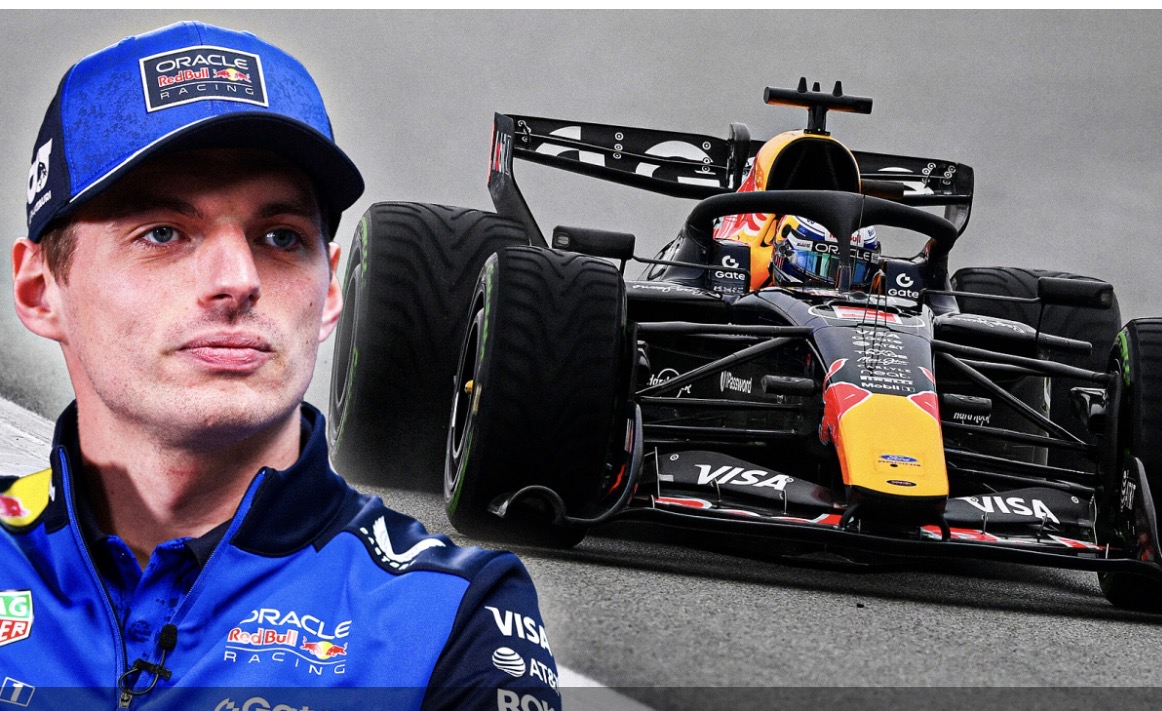
Tensions were already simmering ahead of the Japanese Grand Prix, but Max Verstappen ensured Thursday’s media day would dominate headlines after a dramatic confrontation with a member of the press.
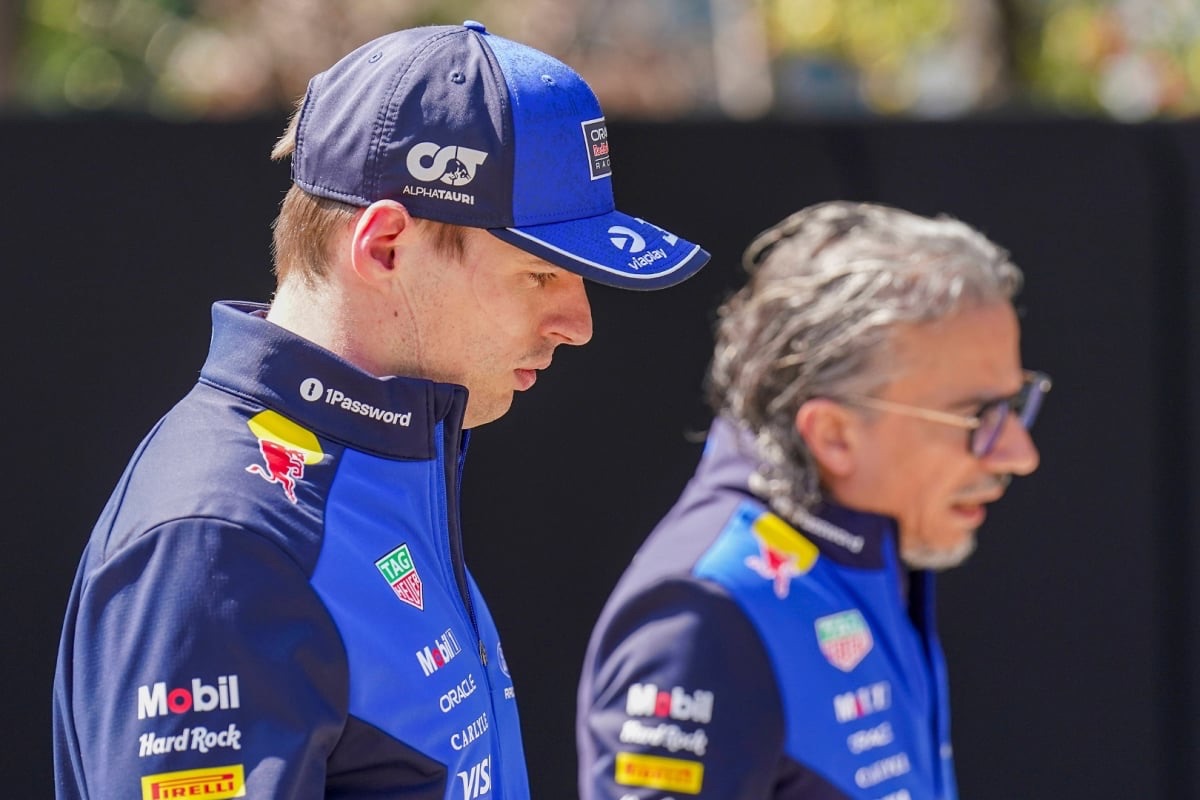
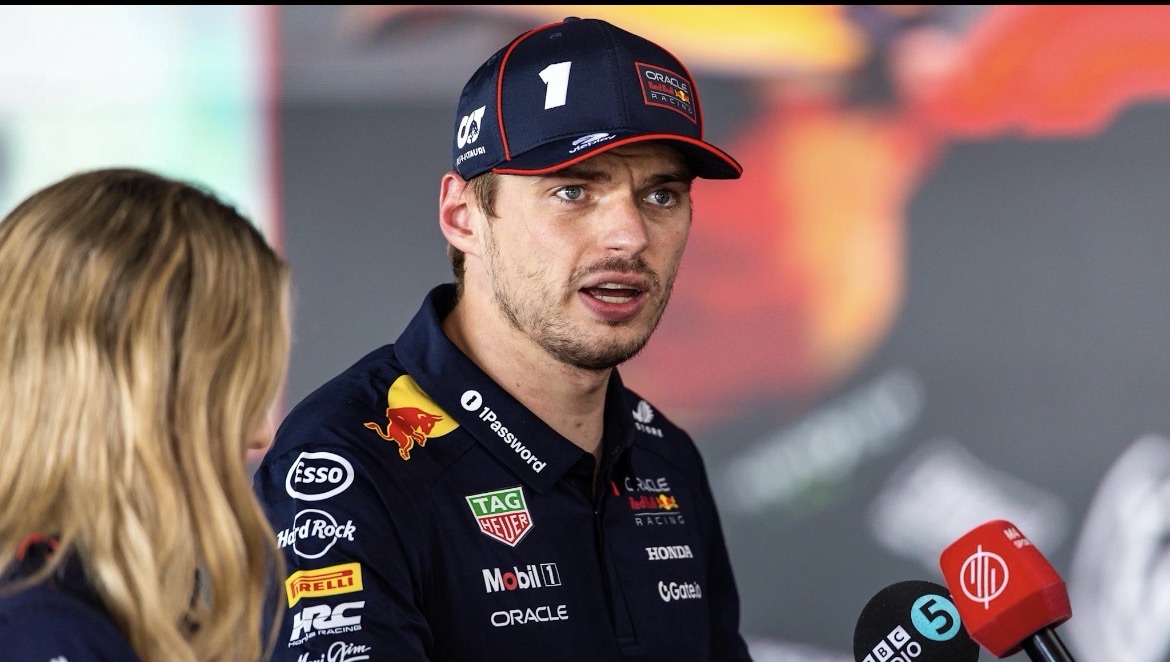
The four-time world champion shocked those in attendance at Suzuka when he refused to begin his scheduled press conference, insisting that a British journalist leave the room before he would answer a single question. The incident immediately set the tone for a fiery race weekend, highlighting Verstappen’s ongoing frustration with sections of the media.
According to reports from inside the briefing, Verstappen singled out a reporter from The Guardian, widely believed to be Giles Richards, with whom he has clashed previously. The Dutch driver made it clear he would not engage with the media session unless the journalist was removed—an extraordinary move even by Formula 1’s often tense standards.
This confrontation did not emerge out of nowhere. In recent seasons, Verstappen has had a strained relationship with parts of the British press, often criticizing what he perceives as biased or unfair coverage. Although tensions appeared to ease slightly during the 2024 campaign, lingering resentment resurfaced following the controversial conclusion to the 2025 season.
At the center of the dispute lies the dramatic finale of the 2025 championship in Abu Dhabi. During that weekend, Richards suggested in his reporting that Verstappen’s failure to secure the title was partly due to a lack of focus earlier in the season—specifically pointing to an incident at the Spanish Grand Prix involving George Russell. The clash between Verstappen and Russell had been widely debated at the time, with opinions split over who was at fault.
However, Verstappen strongly rejected the narrative that this moment cost him the championship. He has consistently argued that multiple factors across the season contributed to the narrow two-point deficit that ultimately denied him another title. For Verstappen, the suggestion that a single incident defined his campaign appears to have struck a nerve—and one he has not forgotten.
Thursday’s incident at Suzuka underlines how personal these disputes can become in the high-pressure world of Formula 1. Drivers are not only competing on track but also navigating intense scrutiny off it, where narratives can shape public perception as much as results.
The timing of the clash is particularly significant given the broader storylines unfolding in the paddock. Alongside Verstappen’s media standoff, fresh developments surrounding Aston Martin have added another layer of intrigue to the weekend. Reports suggest a major internal timeline shift within the team, potentially affecting its long-term competitiveness and driver lineup strategy. While details remain limited, the speculation has fueled further debate about the shifting balance of power in Formula 1.
As the Japanese Grand Prix weekend gets underway, Verstappen’s actions have once again placed him at the center of attention. Whether this bold stance will have any lasting impact on his relationship with the media remains to be seen, but it has already reignited discussions about the boundaries between athletes and journalists.
One thing is certain: in Formula 1, the drama is never confined to the track.