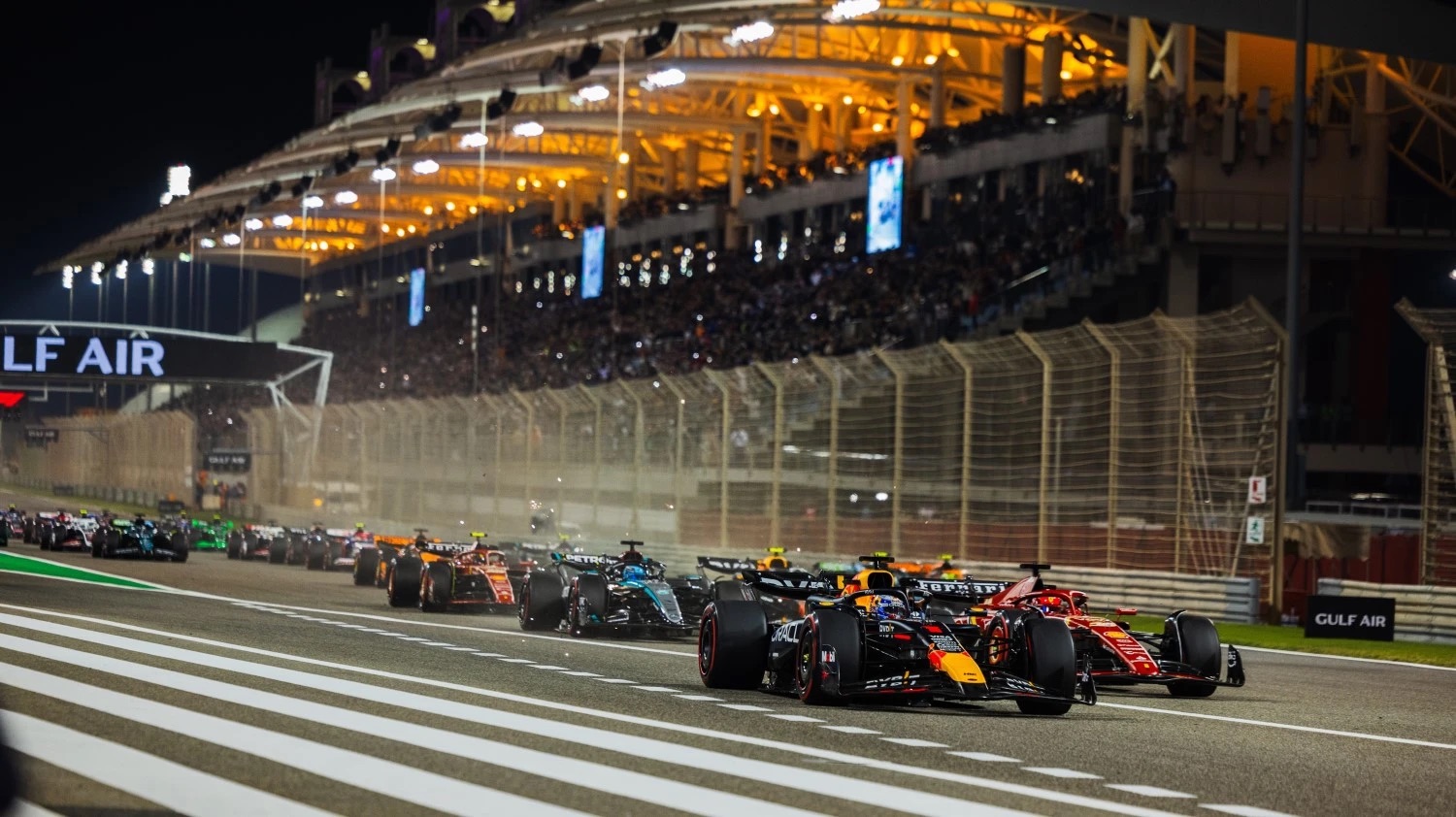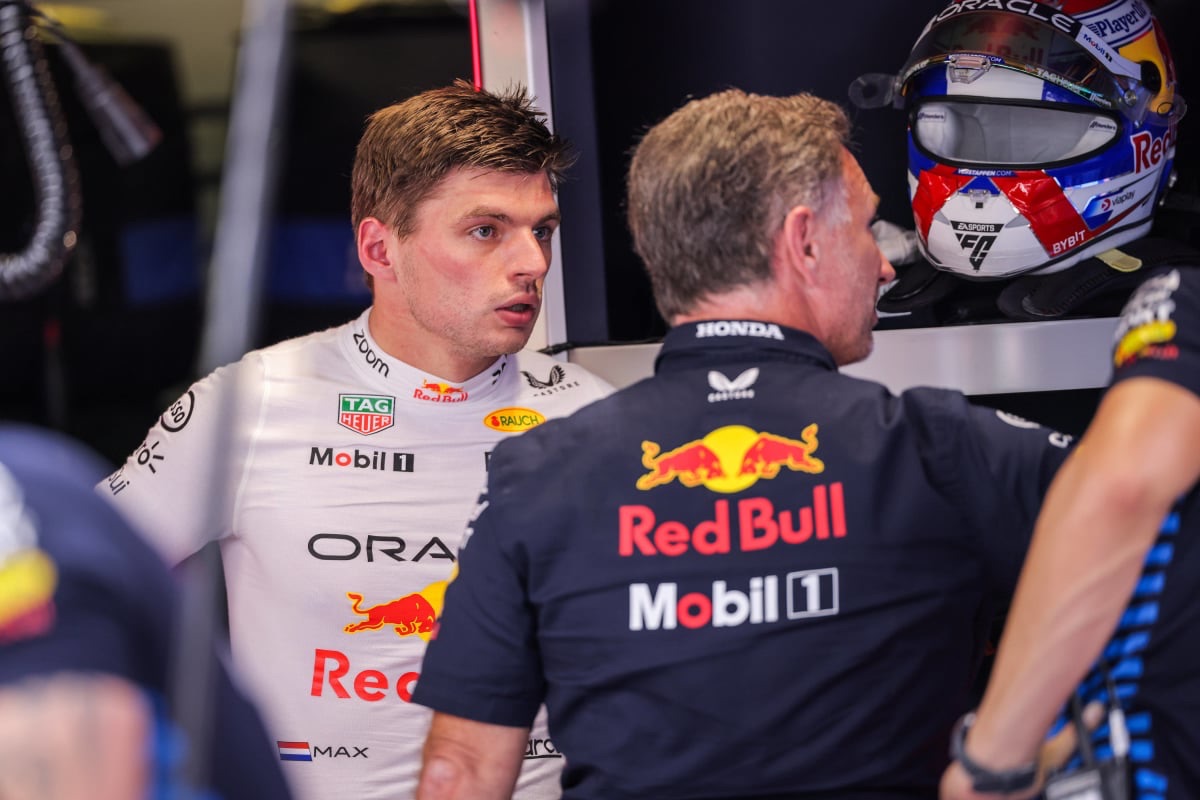
Max Verstappen has wasted no time adjusting his schedule after the unexpected disruption to the Formula One calendar, lining up an alternative racing activity to stay sharp during the enforced break. The cancellation of both the Bahrain and Saudi Arabian Grands Prix — originally set to take place in April — has left a sizeable gap in the season, following ongoing tensions in the Middle East. With no replacement races confirmed, drivers and teams have been left to manage a rare pause in what is usually an intense and tightly packed campaign.
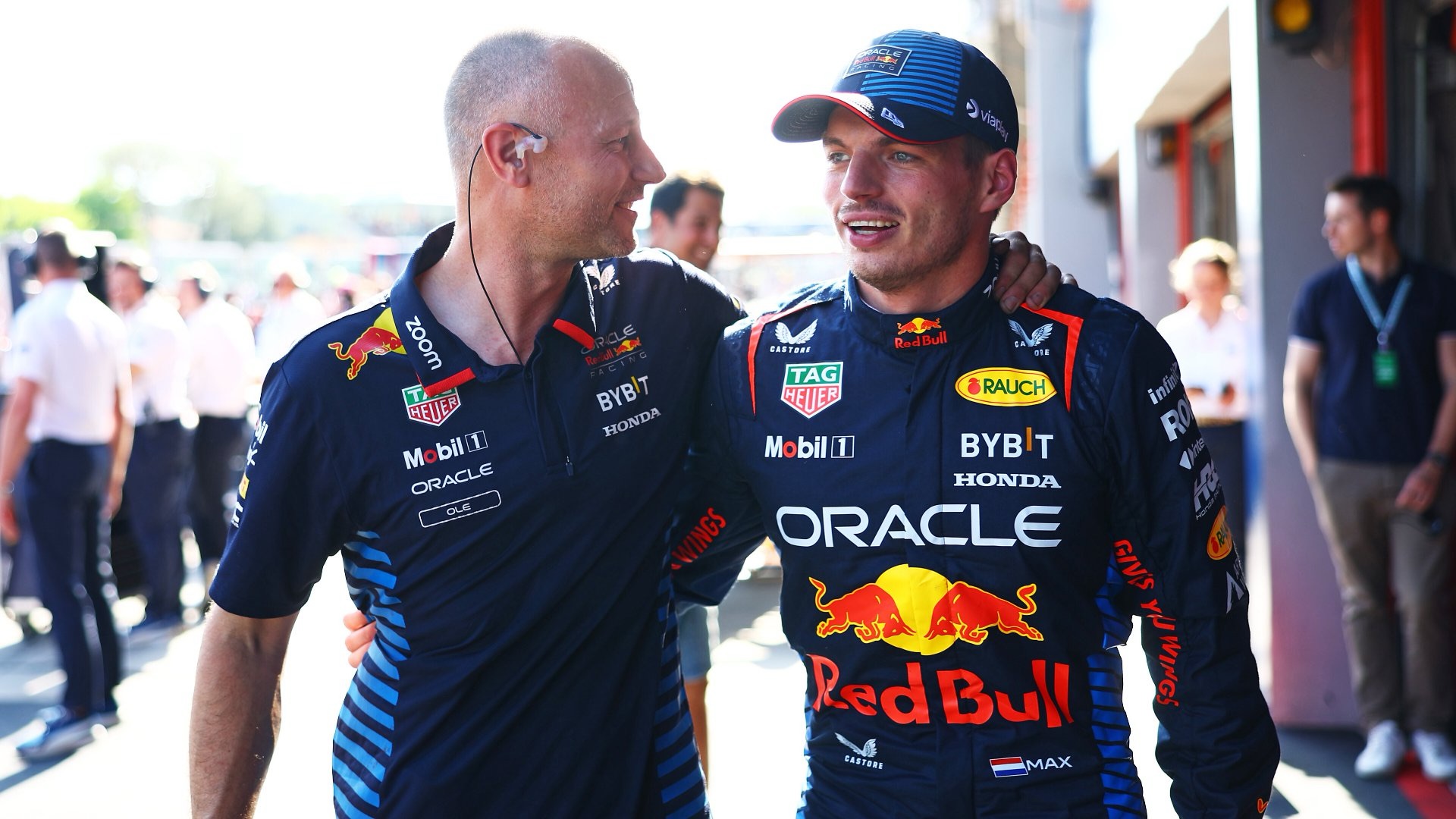
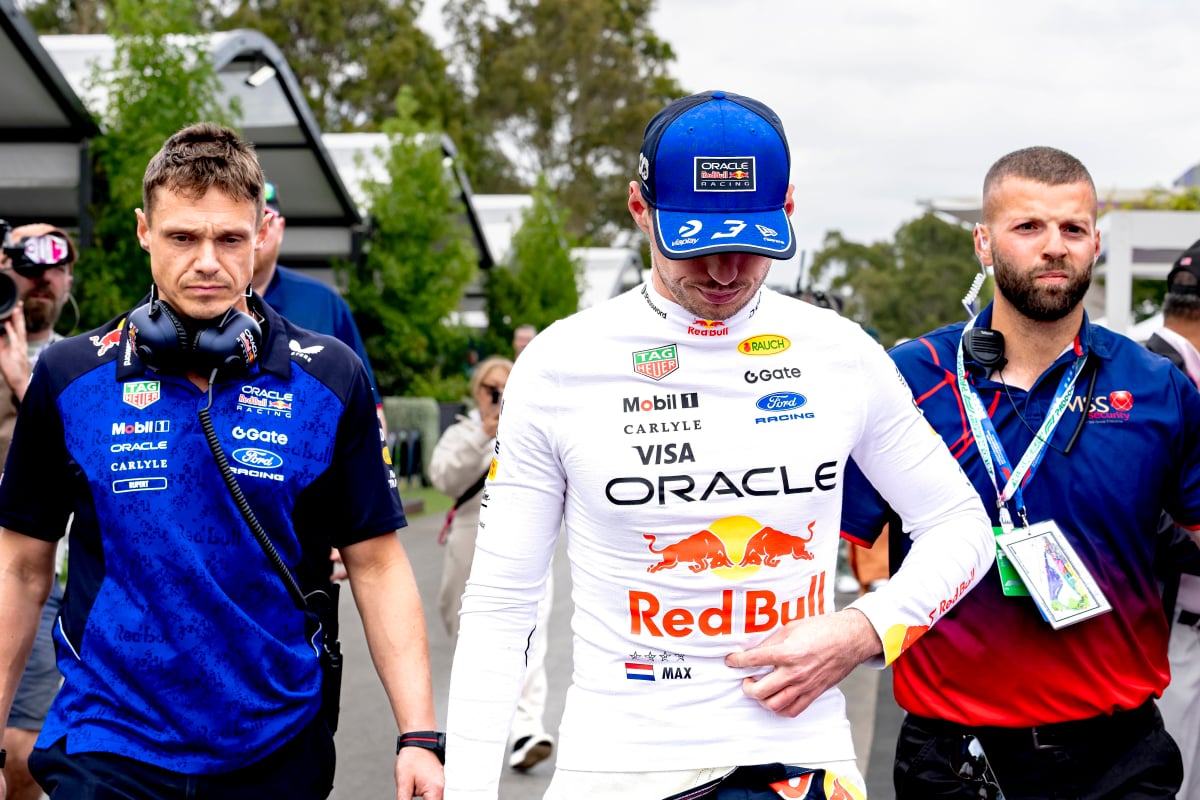
Rather than stepping away from competition entirely, Verstappen has opted to remain active by exploring other racing opportunities over the weekend. The reigning world champion is known for his relentless drive and commitment to staying race-ready, often participating in different forms of motorsport outside of Formula One. This latest move reflects his determination to maintain momentum, especially at a time when consistency and rhythm are crucial in a championship fight.
The break in the schedule has sparked mixed reactions across the paddock. While some drivers have welcomed the chance to rest and regroup, others — like Verstappen — prefer to stay immersed in competitive action. For Red Bull, the pause comes at a delicate moment, as the team continues to assess performance concerns and maintain its position against increasingly strong rivals.
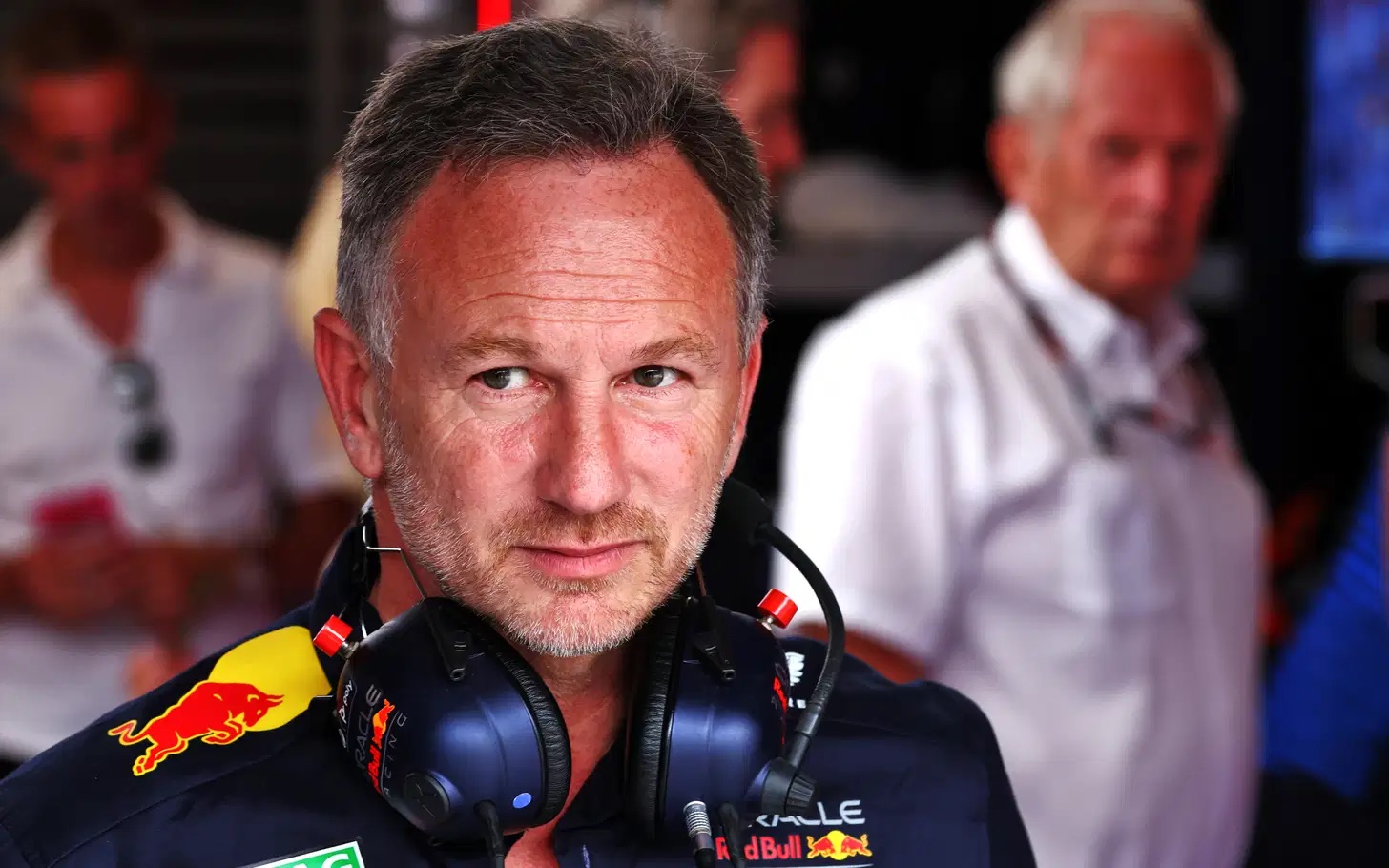
Meanwhile, attention has also turned to Christian Horner and the uncertain path surrounding his potential return to the Formula One grid. Speculation had linked the long-time Red Bull team principal with a possible role at Alpine, but recent developments suggest that those talks may be losing momentum. With that option seemingly fading, new suggestions have emerged urging Horner to consider a different direction — including a bold move to Audi’s upcoming Formula One project.
Audi is preparing to enter the sport in the near future, marking one of the most highly anticipated new chapters in modern F1. The German manufacturer’s ambitions are clear, and the addition of an experienced figure like Horner could significantly strengthen its leadership structure. His track record of building championship-winning teams and managing high-pressure environments makes him an attractive candidate for any outfit looking to establish itself quickly at the front of the grid.
For Horner, the decision will be pivotal. After years of success at Red Bull, any return to the paddock would come with high expectations and scrutiny. Joining a fresh project like Audi could offer a new challenge and the opportunity to shape a team from its foundation, but it would also carry inherent risks associated with a developing operation.
As the situation unfolds, both Verstappen and Horner remain central figures in the evolving narrative of the Formula One season. Verstappen’s proactive approach ensures he remains in peak condition despite the disruption, while Horner’s future continues to generate intrigue behind the scenes.
With uncertainty still surrounding the calendar and key personnel movements, Formula One finds itself in a period of transition. Whether on track or off it, the decisions made during this unexpected lull could have lasting implications for the remainder of the season and beyond.