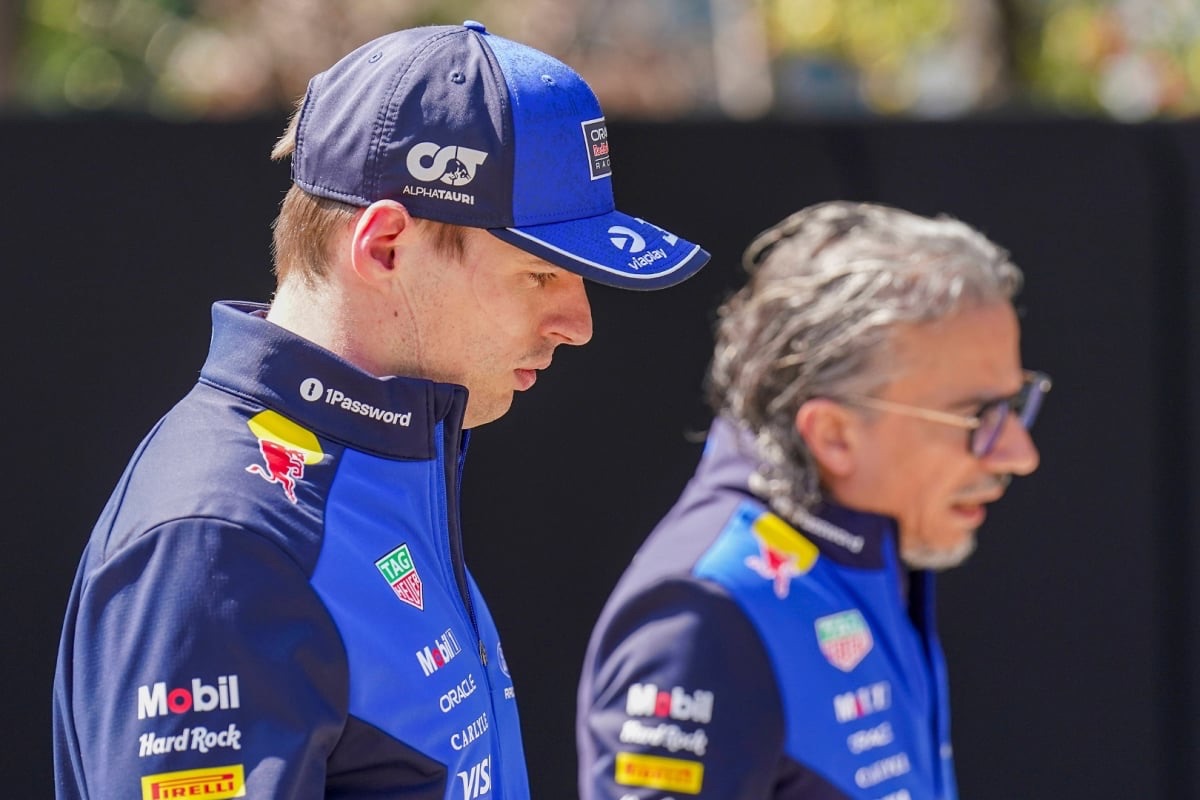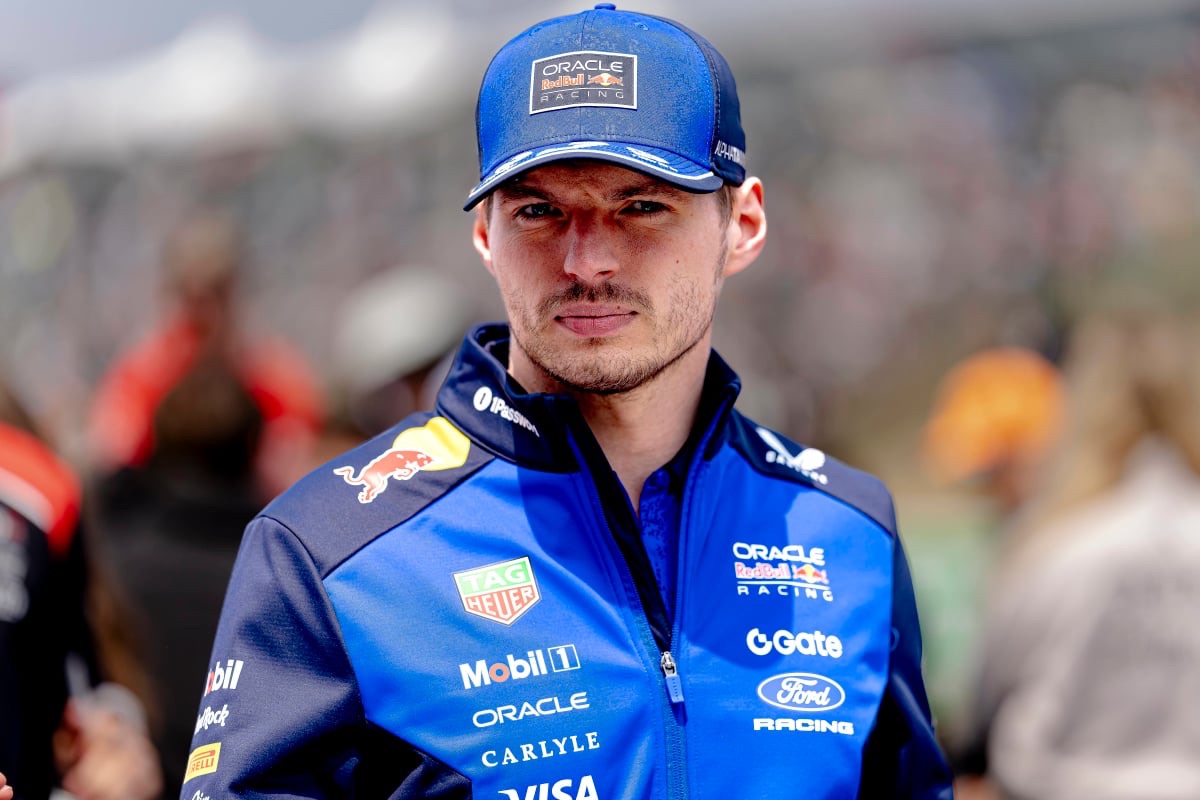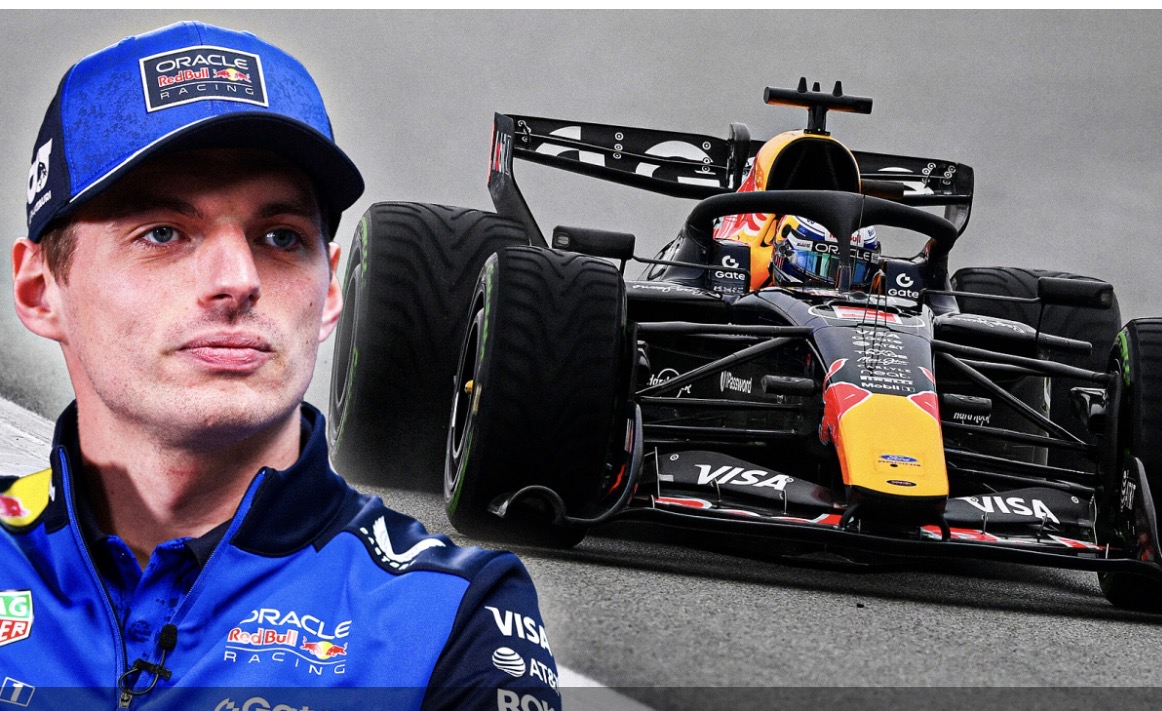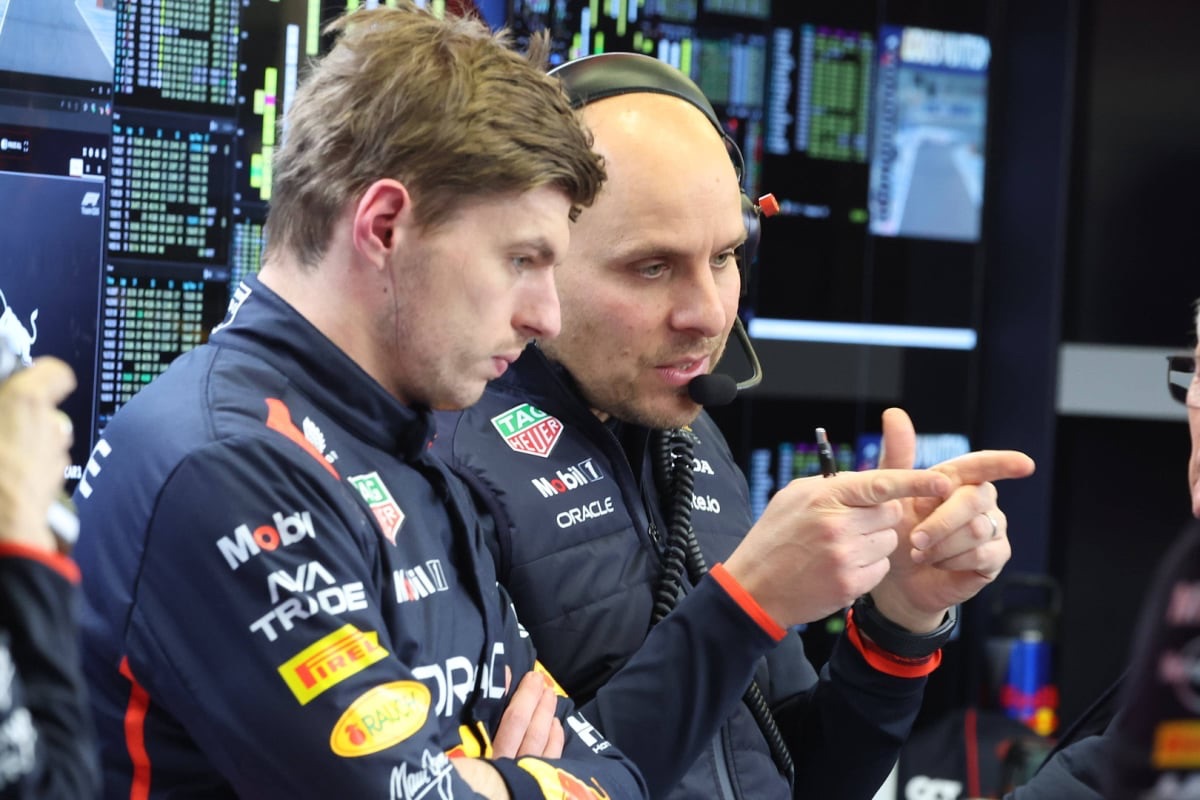
Tension continued to build around Max Verstappen during a frustrating 2026 campaign, as even his trusted race engineer Gianpiero Lambiase struggled to lift his spirits at the Japanese Grand Prix. The reigning four-time world champion endured another difficult weekend, highlighting the ongoing challenges facing Red Bull Racing.
Verstappen’s struggles were evident throughout the Suzuka race weekend, where he could only manage an eighth-place finish—far from the dominant performances that have defined his recent seasons. To make matters worse, he crossed the line behind Pierre Gasly, who delivered a strong showing for Alpine F1 Team. The result underscored the growing gap between Red Bull and some of its midfield rivals, a situation that has become increasingly concerning for the Milton Keynes-based outfit.
The RB22 car has been at the center of Red Bull’s issues. After already showing signs of instability during the Chinese Grand Prix, particularly with balance-related concerns, hopes were high that upgrades introduced in Japan would mark a turning point. However, Suzuka exposed deeper, more fundamental problems that upgrades alone could not resolve. Verstappen repeatedly struggled to extract consistent performance from the car, especially in key sections of the track where stability and traction are crucial.
During the race, Verstappen found himself locked in an intense battle with Gasly in the closing stages. Despite closing in on the Alpine driver and applying sustained pressure, overtaking proved elusive. The Dutchman appeared to have the pace in certain sectors, but each attempt to mount a serious challenge was thwarted by a lack of straight-line speed and momentum. Gasly, meanwhile, defended expertly, ensuring that Verstappen remained stuck behind him until the checkered flag.
In an effort to keep morale high, Lambiase communicated encouraging data over the team radio. At one stage, he pointed out that Verstappen’s lap times were competitive compared to some of the race’s front-runners, including Oscar Piastri, Lewis Hamilton, Charles Leclerc, and George Russell. The message was intended to reassure the champion that his pace remained strong, even if track position was limiting his progress.
However, Verstappen was clearly unconvinced. Frustrated by his inability to pass Gasly and aware of the car’s limitations, he dismissed the comparison, pointing out that Alpine itself was performing at a very high level. His response suggested that raw lap time data offered little comfort when he could not translate it into overtaking opportunities on track.
Lambiase continued to adopt a supportive tone, estimating that Verstappen held a small pace advantage of a few tenths per lap, while acknowledging the difficulty of closing the gap under race conditions. Yet this optimism did not resonate with the driver. Verstappen’s reply was blunt and revealing, as he criticized the perspective from the pit wall, stating that such comments did little to help his situation in the cockpit.
The exchange highlighted a rare moment of visible frustration between Verstappen and his long-time engineer, a partnership that has been instrumental in his championship success. While disagreements over team radio are not uncommon in Formula One, this particular interaction reflected deeper issues within the team—namely, a car that is no longer delivering the dominant performance both driver and crew have come to expect.
As the 2026 season progresses, Red Bull faces mounting pressure to address these technical shortcomings. For Verstappen, the challenge is not just about salvaging results, but also about maintaining confidence in a package that currently appears outmatched. Unless significant improvements are made, races like Suzuka may become an increasingly familiar story.