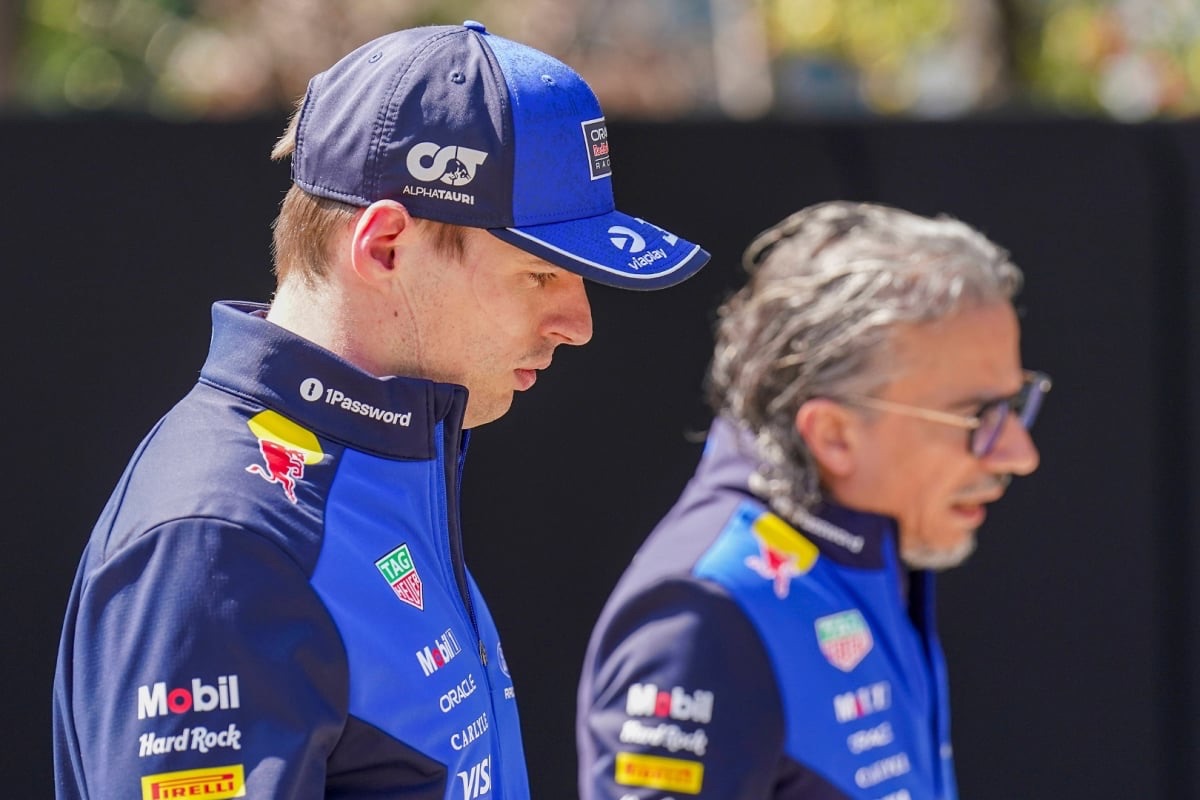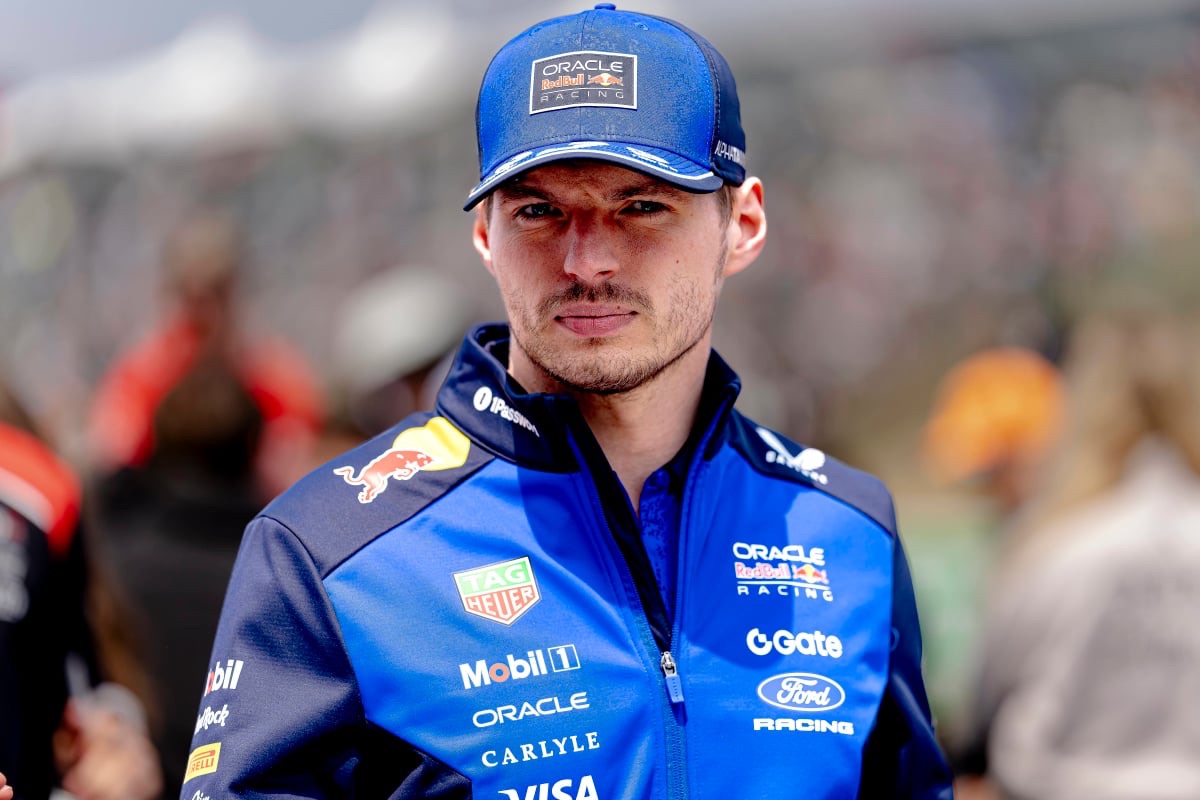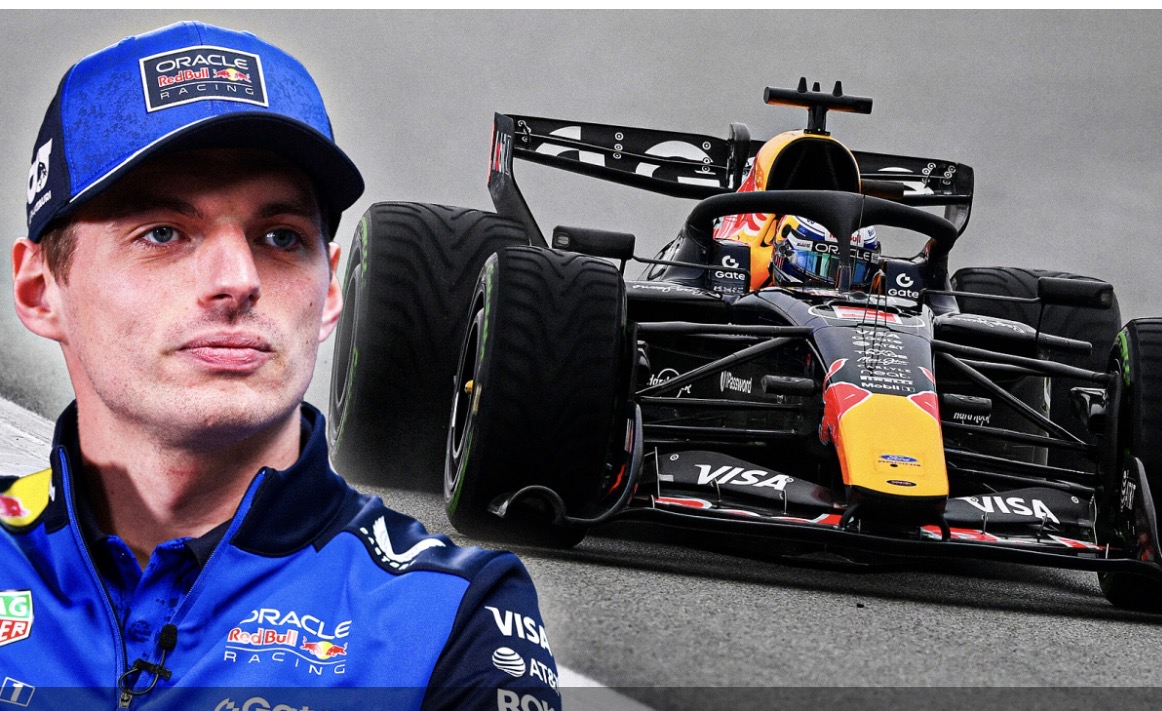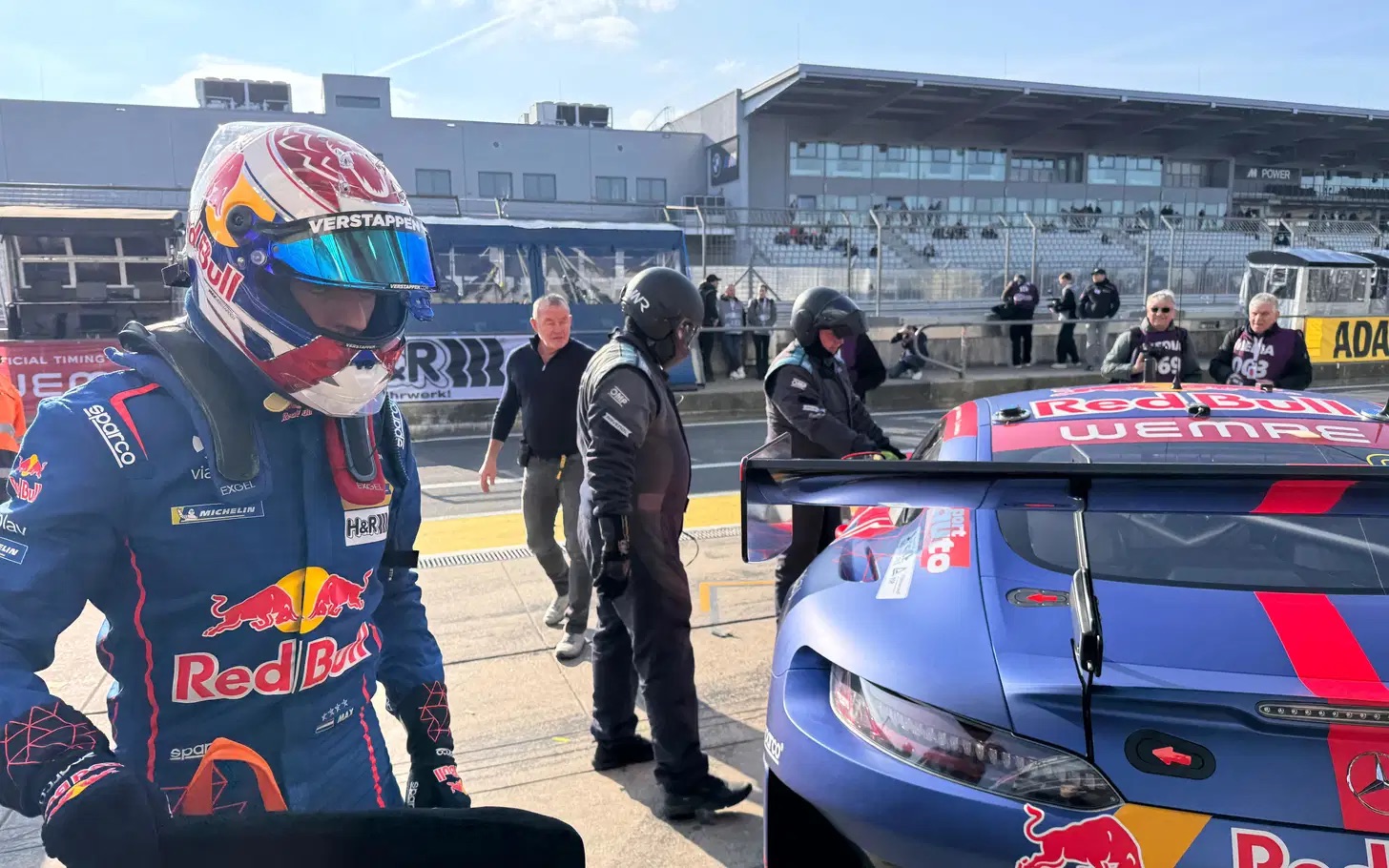
Max Verstappen admitted that a bit of fortune played a role in his stunning pole position lap during the NLS2 qualifying session at the legendary Nordschleife, where he outpaced the competition by a remarkable margin.
Driving a GT3-spec car prepared by Mercedes-AMG, Verstappen delivered a blistering lap time of 7 minutes and 51 seconds. That effort placed him comfortably at the top of the timesheets, with a gap of nearly two seconds to his closest challenger—an unusually large margin in such a competitive endurance racing field.
Despite the dominant result, Verstappen was quick to downplay the performance, pointing out that circumstances during the session worked in his favor. A key factor was the absence of a “Code 60” restriction during his fastest lap. In endurance racing, a Code 60 forces drivers to slow to 60 km/h in specific sections of the track due to incidents or hazards, often disrupting flying laps.
According to Verstappen, many of his rivals were unable to complete clean laps because they encountered these slow zones, effectively eliminating their chances of challenging his time. Reflecting on the session, he acknowledged that traffic and timing played a crucial role in securing pole.
He explained that his lap came at just the right moment, with minimal interference and no enforced slowdowns—conditions that proved decisive. While pleased with the result, Verstappen emphasized that the overall feeling in the car has been positive since the start of the weekend, noting that Friday’s running provided a strong foundation.
Beyond the raw performance, Verstappen spoke enthusiastically about his growing experience in GT3 machinery. Known globally for his dominance in Formula 1, the Dutch driver is now expanding his racing portfolio, and he clearly relishes the challenge of endurance racing.
He highlighted his long-standing admiration for endurance events at the Nordschleife, particularly the iconic 24-hour race held at the circuit. Having watched the race many times in the past, Verstappen expressed excitement about competing in it himself, describing the experience of driving on the historic track as something truly unique and special.
However, he also acknowledged that there is still a learning curve ahead. Unlike Formula 1, endurance racing introduces several new variables, including shared driving duties and more complex pit stop procedures. Verstappen admitted that adapting to driver changes and race strategy will require additional experience.
Pit stops, in particular, represent a significant adjustment. In Formula 1, drivers remain in the car throughout the race, but endurance events involve multiple drivers rotating in and out of the cockpit. Mastering these transitions and understanding the rhythm of long-distance racing will be key to his success.
Looking ahead to the race, Verstappen remained somewhat coy about whether he would take the opening stint behind the wheel. While he did not confirm his role for the start, his focus remains firmly on converting pole position into a strong race result.
With both speed and growing confidence on his side, Verstappen’s Nordschleife campaign is shaping up to be an intriguing new chapter in his already illustrious racing career.