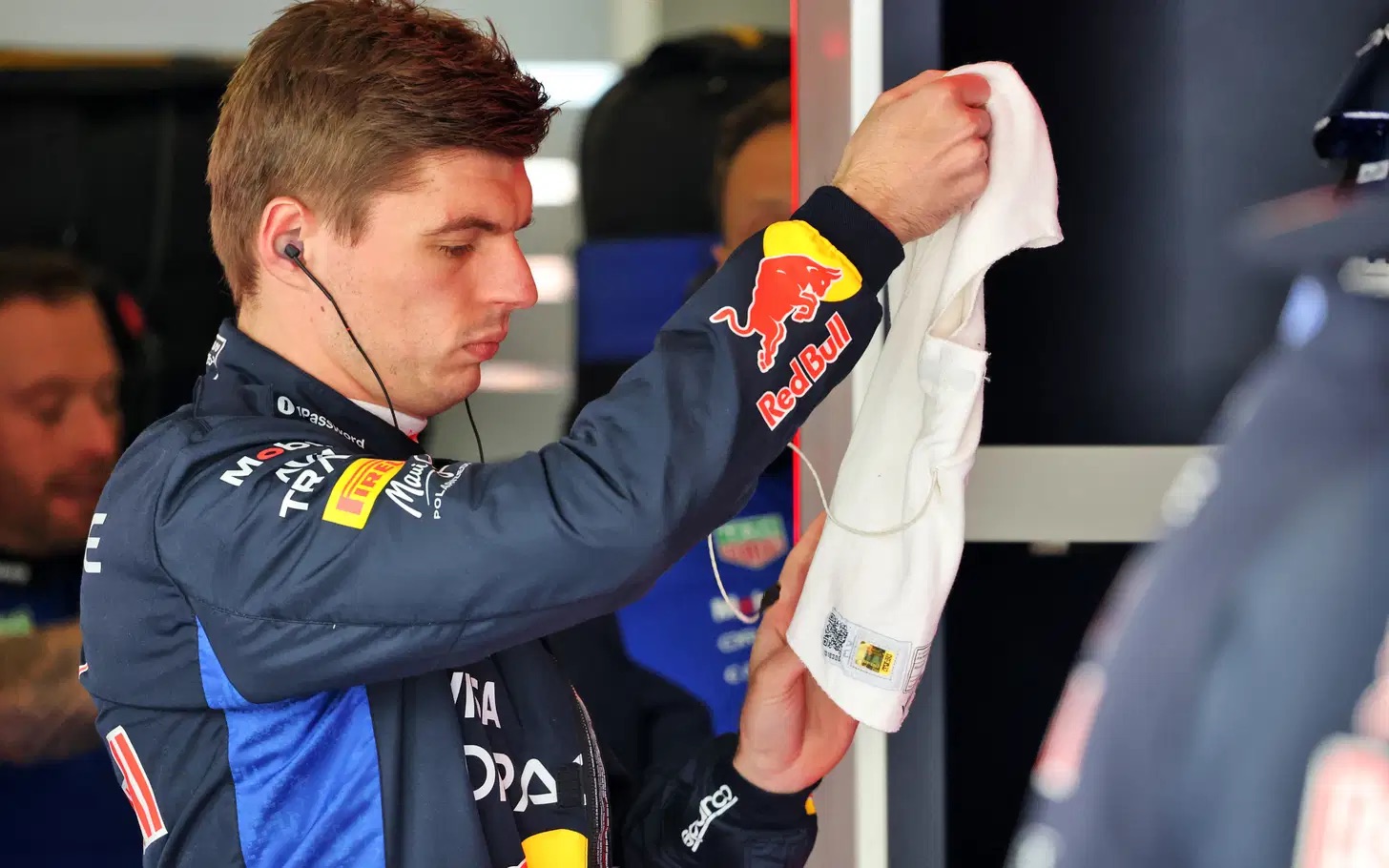
The second round of the 2026 Formula One season at the Chinese Grand Prix delivered plenty of drama, but one of the biggest talking points was the unexpected retirement of Max Verstappen late in the race. After the event, Red Bull Racing finally revealed the technical issue that forced the reigning champion out of the contest.
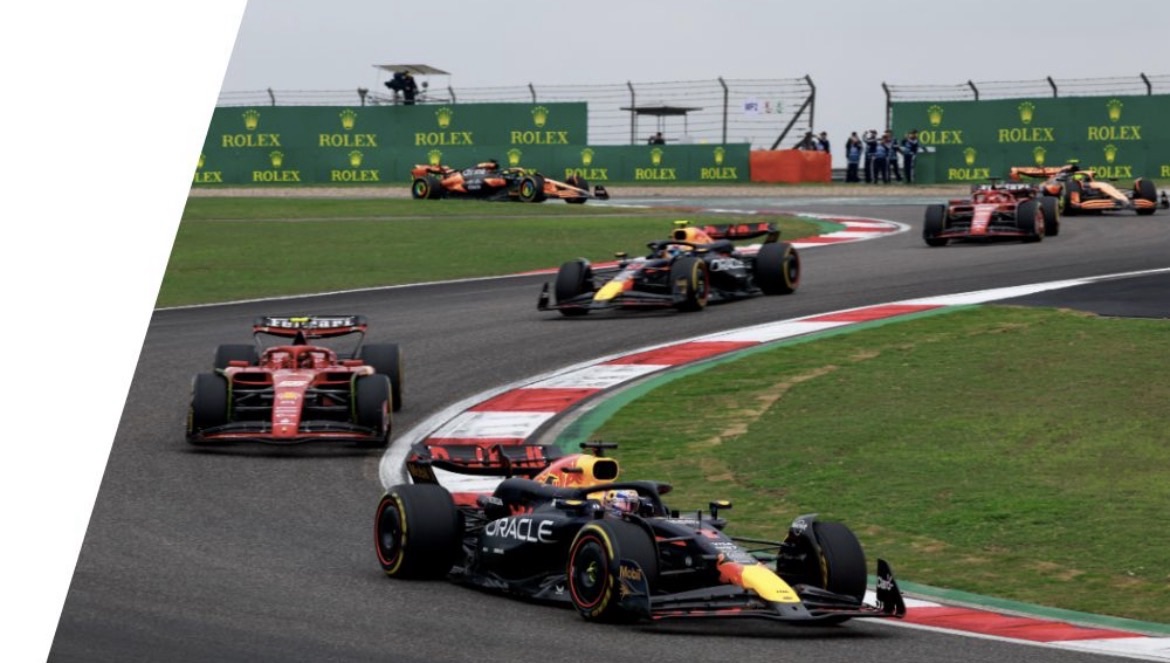
Verstappen, a four-time Formula One world champion, had been fighting his way through the field after another difficult start to the race. When the lights went out at the Shanghai International Circuit, the Dutch driver once again struggled to launch cleanly off the grid. A slow getaway caused him to drop dramatically down the order, falling to 16th place in the early stages.
Despite the setback, Verstappen began a determined recovery drive. Lap after lap, he steadily overtook several rivals and climbed back into the points-paying positions. By the middle stages of the race, the Red Bull driver had managed to move up to sixth place and appeared to be building momentum. At that point, he was running directly behind Oliver Bearman of Haas F1 Team, preparing to challenge for further positions as the race entered its final phase.
However, Verstappen’s comeback abruptly came to an end on lap 45. Spectators noticed the Red Bull slowing significantly on track before the team urgently instructed him to return to the pits. Moments later, the car was wheeled back into the garage, officially marking Verstappen’s retirement from the race.
Initially, the exact cause of the problem was unclear. Fans and analysts speculated about possible engine issues or electrical faults, particularly given the sudden drop in pace. Shortly after the race, however, Red Bull confirmed that the problem originated from the car’s Energy Recovery System (ERS).
According to the team, Verstappen’s RB22 experienced a coolant failure within the ERS system. The ERS is a crucial hybrid component in modern Formula One cars, designed to recover energy generated under braking and store it for later use to boost performance. Because the system operates under extremely high temperatures, coolant is essential to prevent overheating and potential damage to key components.
Once the malfunction was detected through telemetry data, Red Bull engineers made the immediate decision to retire the car as a precaution. Continuing to run with the issue could have caused severe damage to the power unit and other electrical components, which are tightly regulated under Formula One’s engine allocation rules. Protecting the hardware was therefore considered the safest option, even though it meant sacrificing valuable championship points.
The retirement capped off what had already been a frustrating weekend for Verstappen. Earlier during the Sprint race on Saturday, he had also experienced a poor start that dropped him far down the order. The repeated launch struggles have raised questions about whether Red Bull is dealing with a technical issue affecting their race starts.
While Verstappen’s mechanical retirement dominated much of the conversation after the race, another incident from the Chinese Grand Prix sparked controversy off the track. Following a crash during the race, the management team representing Franco Colapinto released a statement urging fans to stop directing abusive messages toward Esteban Ocon.
The incident involved contact between the two drivers, which led to Colapinto crashing out of the race. The collision quickly triggered intense reactions across social media, with some fans blaming Ocon for the accident. Unfortunately, the situation escalated beyond normal sporting debate, with reports emerging that the French driver had received threatening messages online.
In response, Colapinto’s management issued a strong appeal calling for calm among fans. They emphasized that passionate support is an important part of Formula One but warned that harassment and threats toward drivers are unacceptable. The statement reminded supporters that drivers put their lives on the line every time they race and deserve respect regardless of on-track incidents.
The management group also stressed that racing accidents are an inevitable part of motorsport and should never lead to personal attacks against competitors. Their message called on fans to maintain sportsmanship and to support their favorite drivers without crossing the line into abuse.
As Formula One moves on from Shanghai, the events of the weekend have highlighted both the unpredictable nature of racing and the intense emotions it can generate among supporters. For Verstappen and Red Bull, attention will now turn to diagnosing the ERS failure and addressing the persistent starting issues before the next race. Meanwhile, the broader F1 community continues to call for greater respect and responsibility from fans as the sport’s global audience keeps growing.