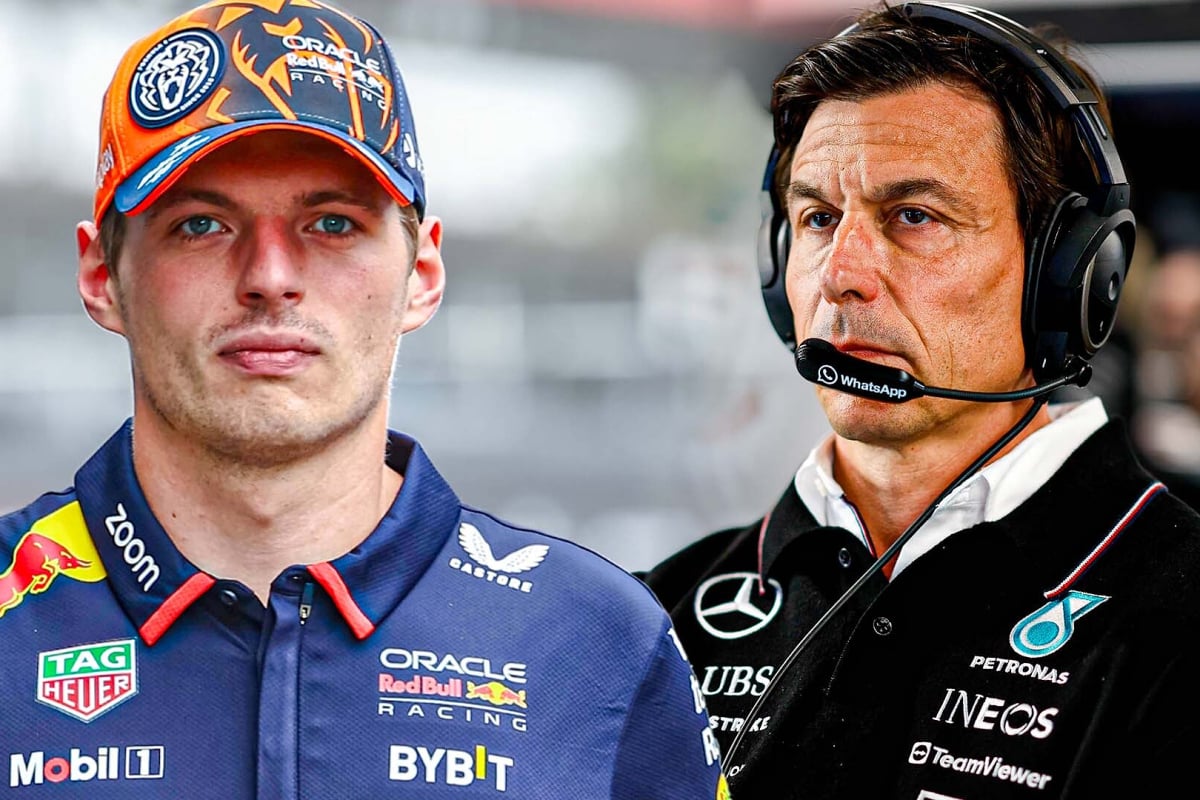
MAX VERSTAPPEN SAYS TOTO WOLFF TALKING UP RED BULL PACE TO DIVERT ATT…read more
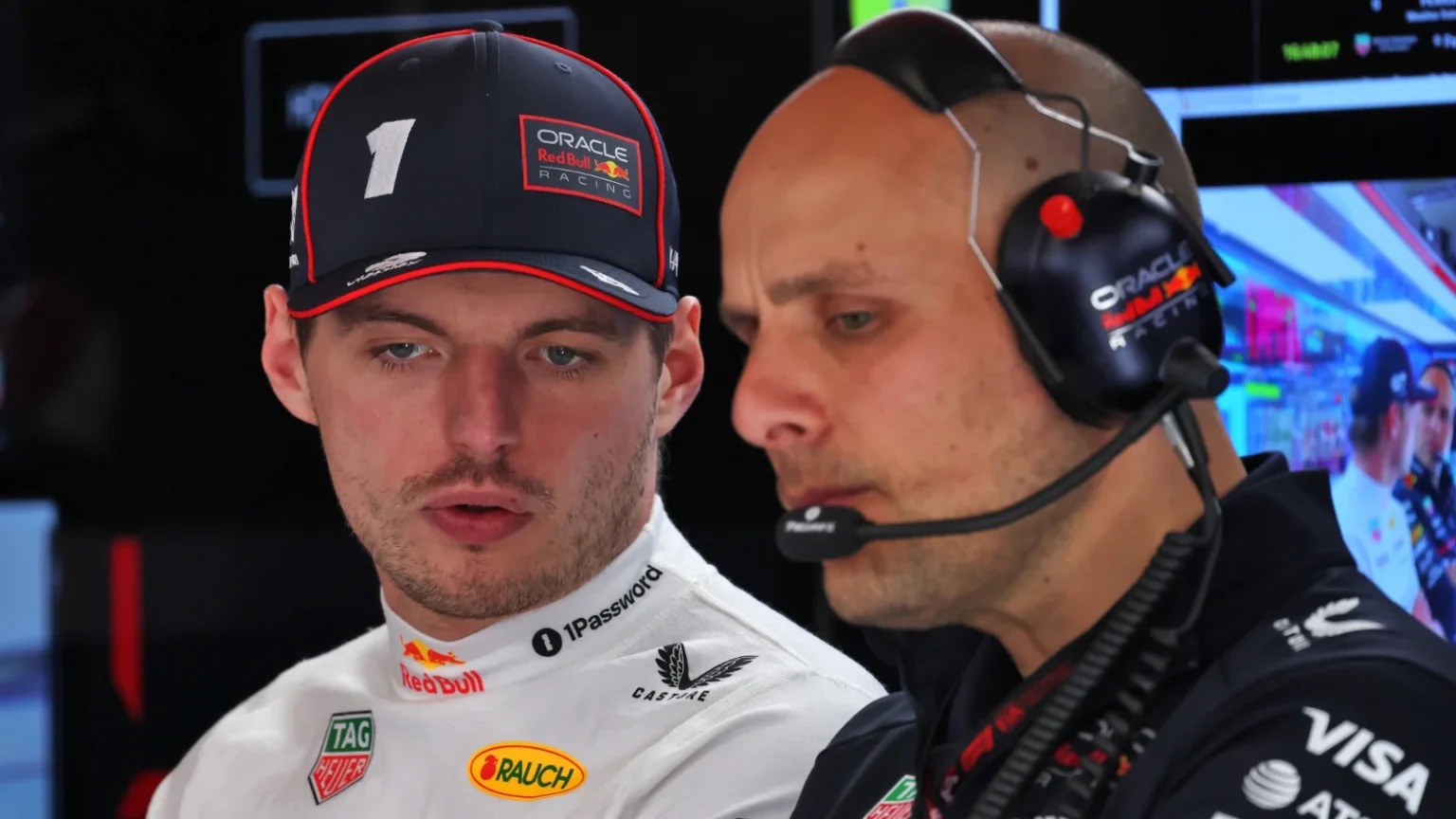
Max Verstappen has pushed back against recent remarks from Toto Wolff, suggesting that the Mercedes boss is deliberately exaggerating Red Bull’s apparent early advantage to draw attention away from ongoing debate around Mercedes’ 2026 power unit performance. As discussion grows around new engine regulations and alleged technical gains, Verstappen believes the public narrative is being carefully managed rather than fully transparent.
The controversy centers on the upcoming 2026 engine formula in Formula 1, which introduces major changes to hybrid power units and energy deployment. Mercedes’ new engine package has attracted scrutiny in the paddock after reports emerged of a clever engineering solution that allows a higher effective compression ratio under operating conditions than what static tests might indicate. Rival teams have reportedly questioned whether current testing procedures accurately capture real-world performance, prompting discussions with FIA about possible adjustments to verification methods.
Wolff has publicly minimized the potential benefit, claiming the gain from Mercedes’ approach amounts to only a few horsepower. According to him, the difference is marginal and not race-defining. However, Verstappen strongly disagrees with that assessment and believes the figure being quoted is far too low. He argued that the real advantage could be significantly larger, hinting that the true numbers may only become obvious once competitive running begins.
Verstappen suggested that such public downplaying is not accidental. From his perspective, it fits a familiar pattern in Formula 1 where teams attempt to redirect media focus and competitive pressure. By praising Red Bull Racing and portraying them as early favorites, rival teams can reduce scrutiny on their own technical developments. He indicated that this kind of messaging strategy is common ahead of a major regulation reset, when uncertainty is high and genuine performance gaps are difficult to measure from outside.
He also pointed to pre-season testing behavior as a possible source of misinterpretation. Red Bull completed a high number of laps during early running, which often creates an impression of strength and reliability. But Verstappen emphasized that lap counts alone don’t reveal the full story. Different teams run different programs, fuel loads, and engine modes, making direct comparisons unreliable. He warned that reading too much into testing data can lead to false conclusions about the competitive order.
According to Verstappen, the real picture will only start to form at the opening race of the season in Melbourne, where cars will run in full competitive trim for the first time. He implied that some manufacturers who appear conservative now may reveal much stronger straight-line performance once race settings are used. Until then, he sees bold claims—either optimistic or dismissive—as part of the usual psychological and political maneuvering within the sport.
Despite the speculation, Verstappen has avoided making firm predictions about who will lead under the 2026 rules. He noted that history shows winter testing rarely provides a reliable indicator of championship outcomes, especially when regulations change significantly. Teams often hide performance, experiment with setups, or focus on durability rather than outright speed during early sessions. Because of this, he believes any attempt to declare a clear favorite at this stage is premature.
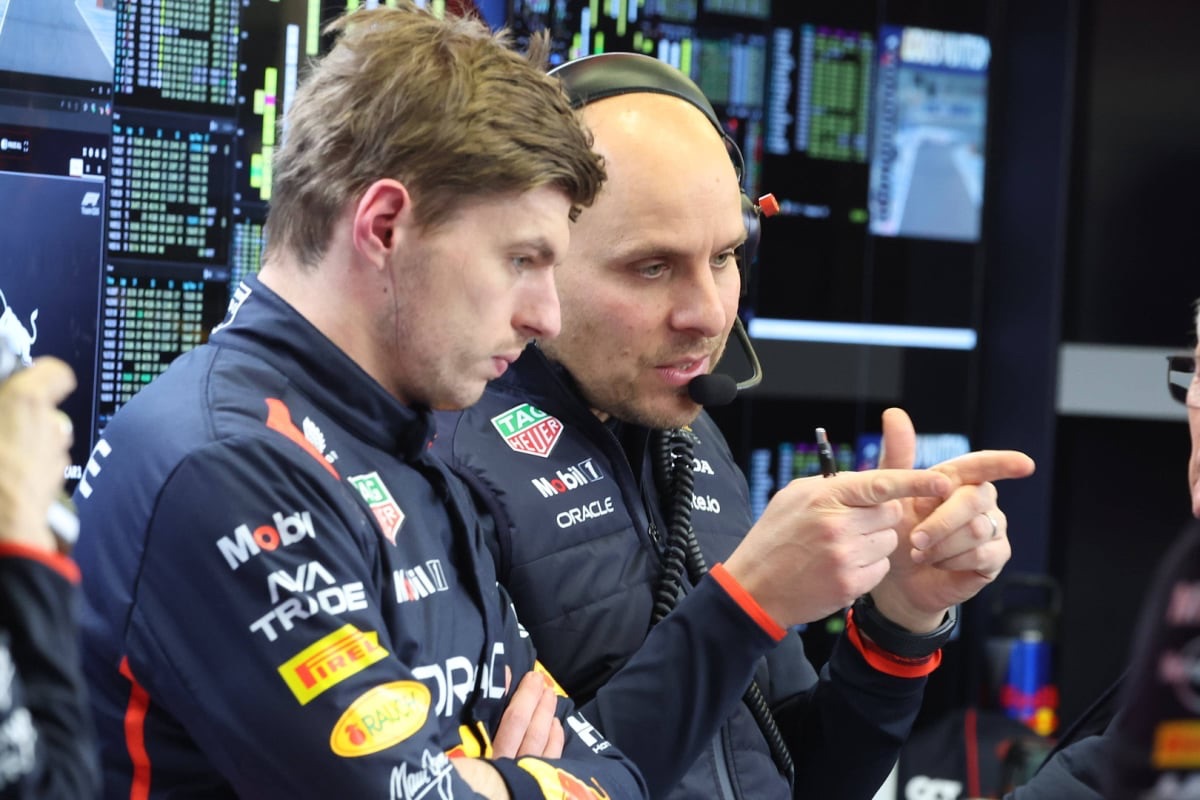
He stressed that his own priority remains internal progress rather than public debate. With the technical rulebook becoming more complex—particularly regarding electrical energy usage and hybrid integration—he says there is still a large learning curve for teams and drivers alike. Instead of engaging in verbal battles through the media, Verstappen prefers to concentrate on data gathering, system understanding, and steady development work with his engineers.
In his view, the scale of the 2026 overhaul makes humility and adaptability more valuable than bold predictions. New systems, new balances between combustion and electric power, and revised testing metrics mean that surprises are almost guaranteed once racing begins. Until then, he treats strong statements from rivals as tactical positioning rather than definitive truth.
Overall, Verstappen’s response frames the current engine debate as part technical dispute, part strategic messaging war. While Mercedes publicly reduces expectations around its power unit gains and highlights Red Bull’s testing pace, Verstappen reads that approach as deliberate narrative management. With regulation changes reshaping the competitive landscape, he believes the stopwatch in Melbourne—not winter commentary—will deliver the only verdict that matters.