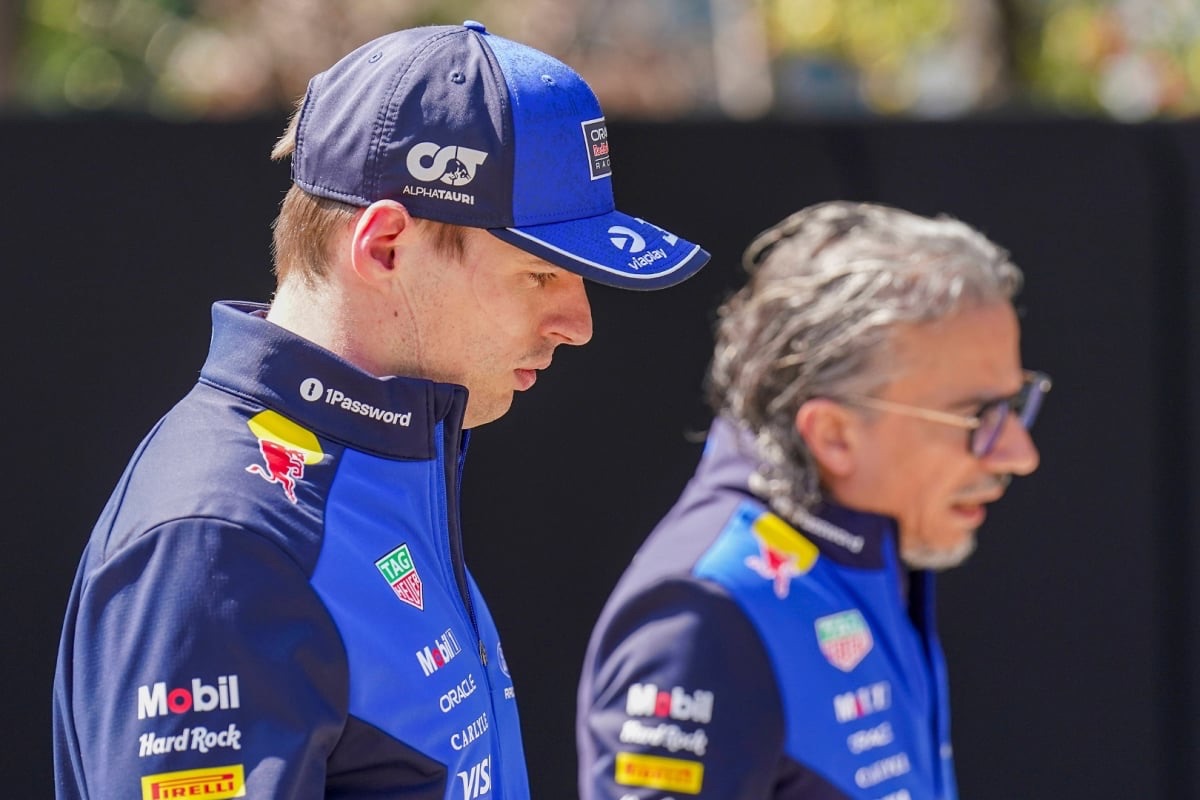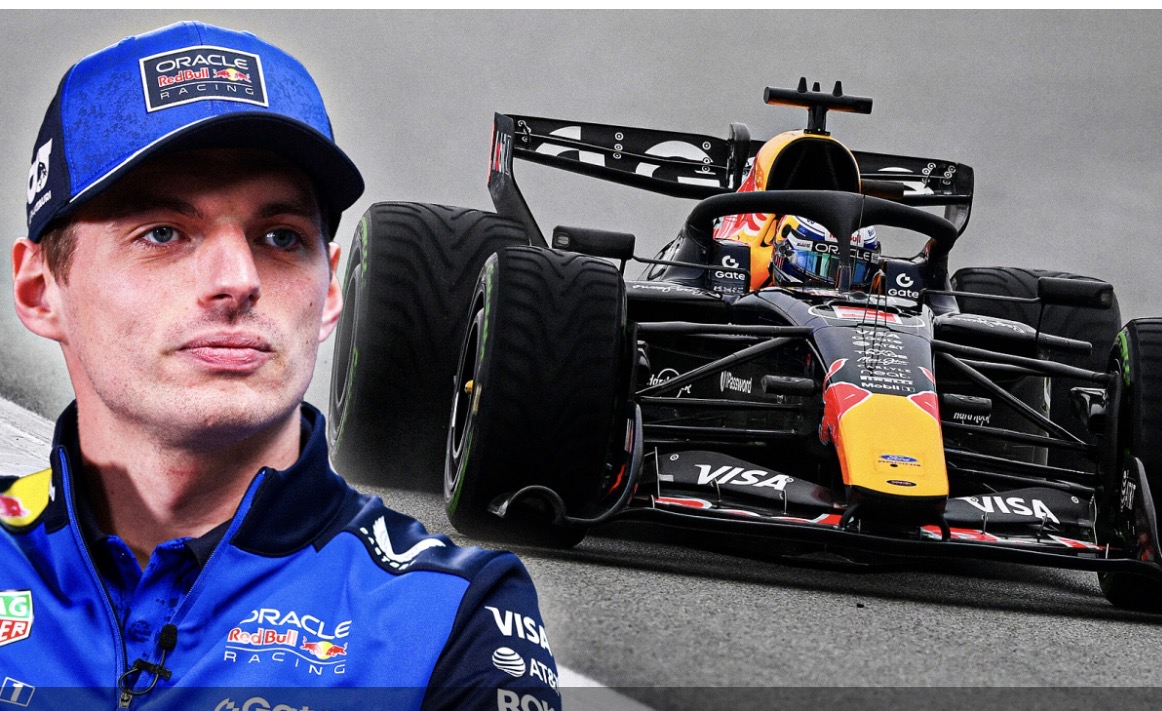
Reigning world champion Max Verstappen found himself at the center of fresh controversy during practice for the Japanese Grand Prix, after being called to the stewards’ office for a second time in a single day following another tense on-track moment.
The Red Bull star endured a frustrating outing at the iconic Suzuka International Circuit, with multiple incidents disrupting his preparation ahead of race weekend. The first flashpoint came during the closing stages of the opening practice session (FP1), where Verstappen encountered long-time rival Lewis Hamilton at the high-speed 130R corner.
In that earlier episode, Hamilton—now driving for Ferrari—was placed under investigation by the FIA for allegedly driving in a manner considered unnecessarily slow, erratic, or potentially dangerous. The situation unfolded as Verstappen approached at speed, raising concerns about track awareness and driver safety in one of the circuit’s most demanding sections. After review, the governing body assessed the circumstances, adding tension to an already competitive atmosphere between two of Formula 1’s most prominent figures.
However, the drama did not end there.
During the second practice session (FP2), Verstappen once again found himself caught in a dangerous scenario—this time involving Franco Colapinto. Roughly 20 minutes into the session, Colapinto was seen weaving along the straight leading into the fearsome 130R corner. As Verstappen rapidly closed the gap from behind, the Dutchman was forced to brake sharply to avoid a potentially serious collision.
The near-miss immediately drew the attention of race officials, with Colapinto subsequently cited by the stewards for erratic driving. The incident sparked criticism from analysts and fans alike, as questions were raised about driver awareness and adherence to safety protocols during practice sessions.
Commentating on the situation, Sky Sports F1 analyst Karun Chandhok did not hold back in his assessment. He described Colapinto’s actions as careless, suggesting the young driver appeared unaware of Verstappen’s presence. Chandhok labeled the behavior “unacceptable,” emphasizing the importance of checking mirrors and maintaining situational awareness—especially on a track as fast and unforgiving as Suzuka.
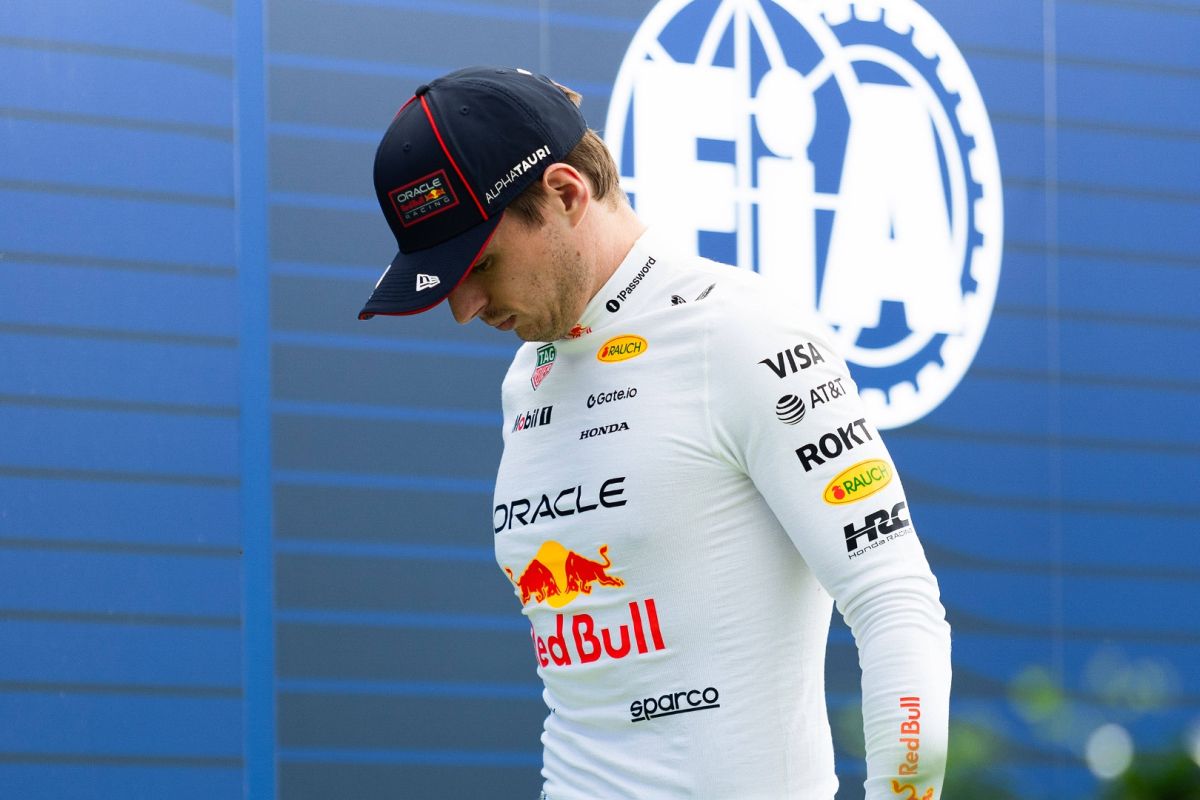
For Verstappen, the repeated disruptions only added to what has already been a challenging start to the race weekend. Known for his precision and intensity, the Red Bull driver was visibly frustrated by the incidents, which not only compromised his track time but also posed potential safety risks.
The double investigation highlights ongoing concerns within Formula 1 regarding traffic management during practice sessions. With multiple cars running different programs and speeds, the likelihood of such incidents increases—particularly at circuits like Suzuka, where high-speed corners leave little margin for error.
As the stewards review the FP2 incident, attention will be focused on whether Colapinto’s actions warrant a penalty or warning. Meanwhile, Verstappen’s repeated involvement—despite being the affected driver—underscores how even the sport’s top competitors can be placed in vulnerable positions due to the actions of others.
With tensions simmering and scrutiny intensifying, the events of Friday’s practice sessions have set the stage for a dramatic remainder of the Japanese Grand Prix weekend, where both performance and discipline will be under the spotlight.