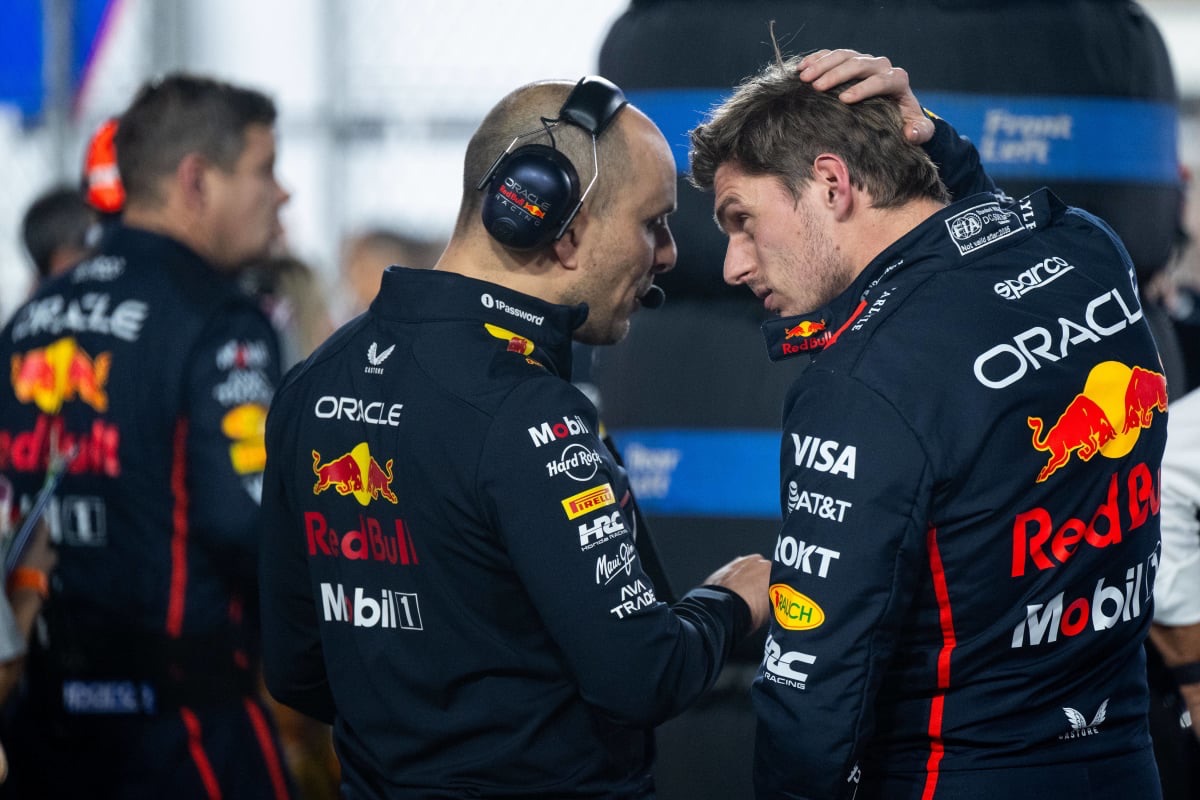
A dramatic wave of developments has swept through Formula 1, with Max Verstappen once again at the center of attention—this time influencing racing activity beyond the F1 grid—while McLaren have made a major off-track move by securing one of Red Bull Racing’s most important figures.
Verstappen’s growing presence in endurance racing is creating ripple effects, particularly at the legendary Nürburgring Nordschleife—famously nicknamed the “Green Hell.” The Dutchman’s standout performances in GT racing have significantly boosted interest in the circuit’s endurance competitions. After making a stunning GT3 debut victory last year, Verstappen followed it up with another impressive showing during the opening round of the NLS2 earlier this March, although that result was later nullified due to disqualification.
Despite that setback, the buzz surrounding Verstappen’s participation has only intensified. His commitment to competing in the iconic Nürburgring 24 Hours this May has triggered a surge in applications from teams eager to take part in the same event. The increased demand highlights the powerful influence Verstappen now exerts across multiple racing disciplines, as teams and drivers alike seek to be part of a grid elevated by his presence.
However, not every hopeful entrant will get the chance to compete. Organizers have introduced new restrictions limiting the number of cars allowed to enter the race, creating a bottleneck effect. As a result, several teams that applied may be forced to miss out despite the heightened interest. This development has effectively turned Verstappen’s participation into a catalyst for both opportunity and disappointment within the endurance racing community, underlining his unique ability to reshape the landscape wherever he races.
While Verstappen continues to make headlines on the track, significant changes are also unfolding behind the scenes in Formula 1. McLaren have officially confirmed the signing of Gianpiero Lambiase—widely known as “GP”—from Red Bull in a move that could have far-reaching implications for both teams.
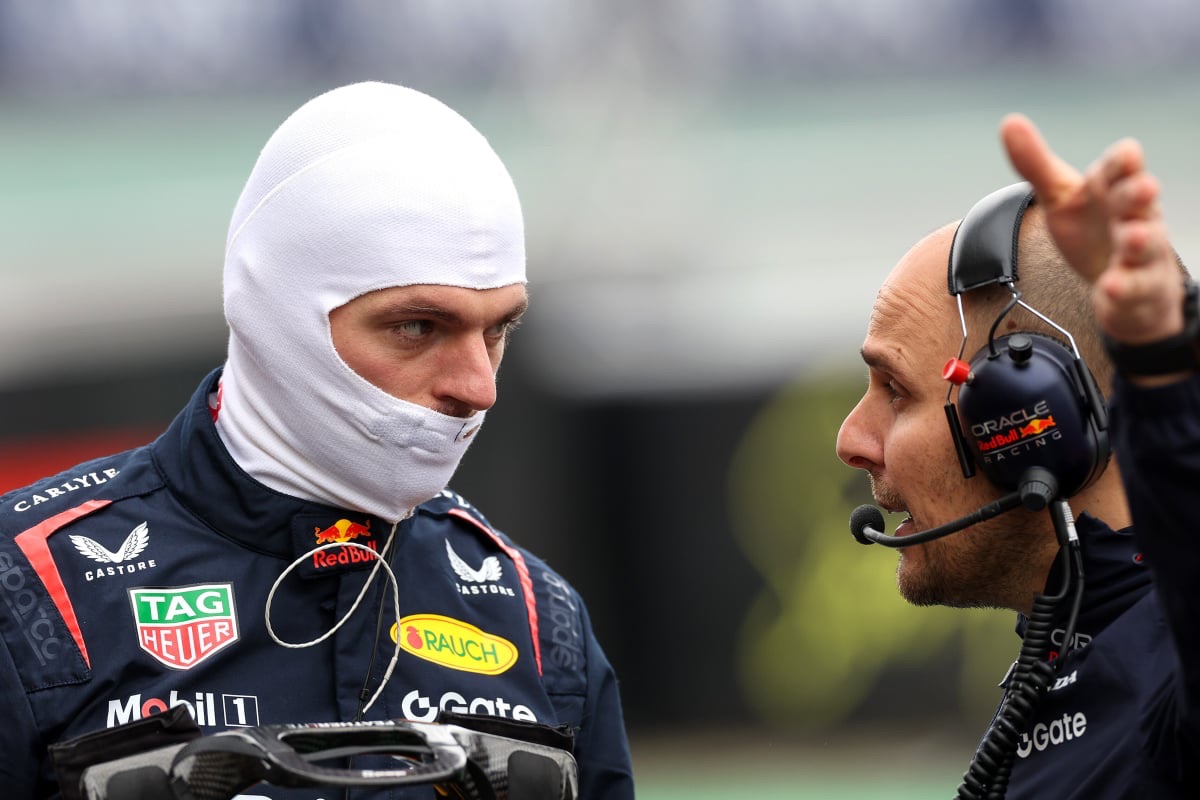
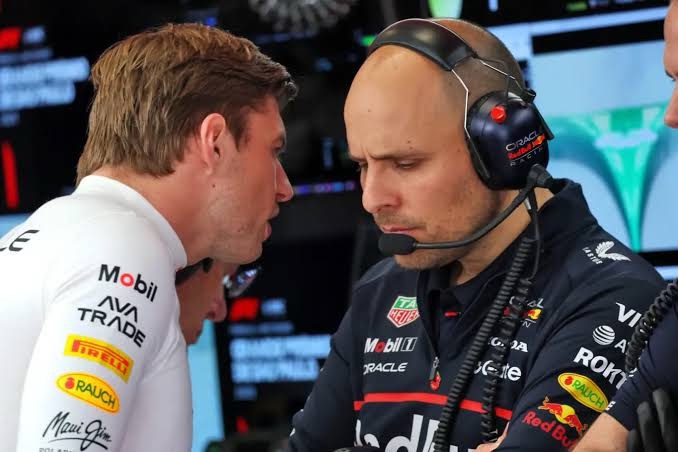
Lambiase has been a central figure in Verstappen’s success story, serving as his race engineer since the driver joined Red Bull in 2016. Over the years, their partnership has become one of the most effective and recognizable in the sport, playing a key role in Verstappen’s multiple championship triumphs. Beyond his responsibilities on race weekends, Lambiase was also promoted to head of racing at Red Bull in 2024, further cementing his importance within the organization.
His departure marks the end of a highly successful era at Red Bull and represents a major coup for McLaren. At his new team, Lambiase will work closely with team principal Andrea Stella, taking on a senior trackside role aimed at strengthening McLaren’s competitive edge. The British team has been steadily rebuilding in recent seasons, and the addition of someone with Lambiase’s experience and tactical expertise is expected to accelerate their progress.
For Red Bull, losing such a key figure raises questions about how the team will adapt moving forward, particularly given Lambiase’s deep understanding of Verstappen’s driving style and race management. His exit could signal a shift in dynamics within the team, especially as Verstappen continues to expand his racing interests beyond Formula 1.
Altogether, these developments reflect a rapidly evolving motorsport landscape. Verstappen’s influence is extending far beyond F1 circuits, reshaping participation in endurance racing, while McLaren’s strategic recruitment signals their intent to challenge at the very top. As the 2026 season approaches, both on-track action and off-track decisions are setting the stage for a compelling new chapter in Formula 1.