Red Bull concede early disadvantage in 2026 race as Mekies defends development strategy
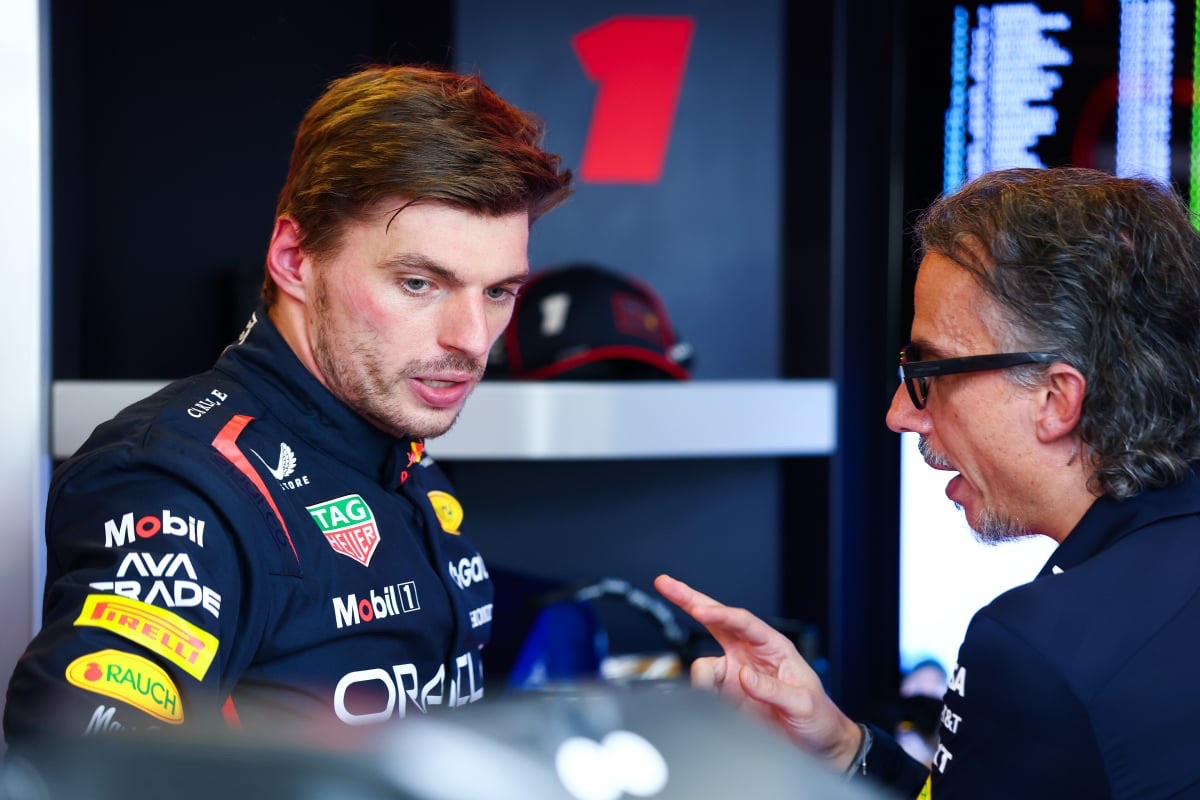
Red Bull team principal Laurent Mekies has acknowledged that his team is currently behind some of their Formula 1 rivals in the race towards the all-new 2026 regulations, but insists the approach Red Bull chose was deliberate and necessary for long-term success.
With Formula 1 set to introduce sweeping technical changes in 2026, teams have been forced to decide how early to divert resources away from the current generation of cars. Ferrari, for example, made the bold decision to effectively stop developing their 2025 challenger as early as April last year in order to fully focus on the future rule set. Red Bull, by contrast, continued developing their car well beyond the summer break, despite its clear shortcomings.
That decision has attracted criticism, particularly amid concerns that Red Bull may now be playing catch-up against rivals who committed earlier to 2026. However, speaking to Motorsport.com, Mekies explained that the Milton Keynes squad never viewed abandoning the 2025 project as a viable option.
“It became very clear to us that we didn’t want to simply turn the page and, despite the 2025 car not being good enough, rely on the hope that everything would magically be better in 2026,” Mekies said. “That was not a path we were prepared to take.”
Instead, Red Bull chose to push on with development in order to fully understand why performance had dropped off, even if that meant sacrificing some preparation time for the future.
“We wanted to go all the way to the bottom of the problem,” he explained. “Before moving on, we needed to understand exactly why we weren’t competitive. Next year we’ll still be using the same tools, the same processes and the same methods, even if the regulations are completely different.”
Mekies admitted that this choice likely cost Red Bull valuable time on the 2026 project, but insisted it was a risk worth taking.
“Yes, we may have lost some time in pure 2026 development,” he said. “But we didn’t want to take chances by ignoring fundamental weaknesses. Was it a difficult decision? No, not really. It was something we believed in from the start.”
Beyond the technical benefits, Mekies also highlighted the importance of continuing development from a human and organisational perspective. According to the Red Bull boss, working through the difficulties of the 2025 season has strengthened the team and improved how it operates as a unit.
“We learned a huge amount,” he said. “That includes our methodology — what truly makes a car faster and how to overcome specific limitations. We also gained deeper knowledge about tyres, tool correlation and where performance can realistically be found.”
Despite the radical nature of the upcoming regulation overhaul, Mekies believes there is significant overlap between the two seasons.
“The common ground between 2025 and 2026 is honestly enormous,” he explained. “Even with completely new rules, the way you work, analyse problems and develop solutions remains largely the same.”
He also stressed that the struggles of 2025 helped bring the team closer together.
“If you look at the human side, it really tightened the group,” Mekies said. “It created a strong working atmosphere and a healthy approach as we move towards 2026.”
However, Mekies was refreshingly candid when asked whether Red Bull expect to start the new era ahead of their rivals.
“Do we believe our 2026 car will immediately be faster than the competition? No, honestly, we don’t,” he admitted. “But what it does give us is clarity in how we work as a group, how we face challenges and how we want to progress together. More than anything, it confirms our approach and our people.”
Red Bull’s decision could carry major consequences, not only for their competitive position in the new regulation cycle, but also for the future of Max Verstappen. The four-time world champion has publicly committed to staying with Red Bull through the 2026 season, but his long-term future remains a topic of intense speculation.
If Red Bull fail to deliver a competitive car under the new rules, it is widely believed Verstappen would be unwilling to stay beyond 2026. Mercedes and Aston Martin are currently viewed as the leading contenders should the Dutchman decide to explore his options.
For now, Red Bull are standing firmly by their strategy — even if it means starting the 2026 era on the back foot — confident that the lessons learned today will pay off tomorrow.