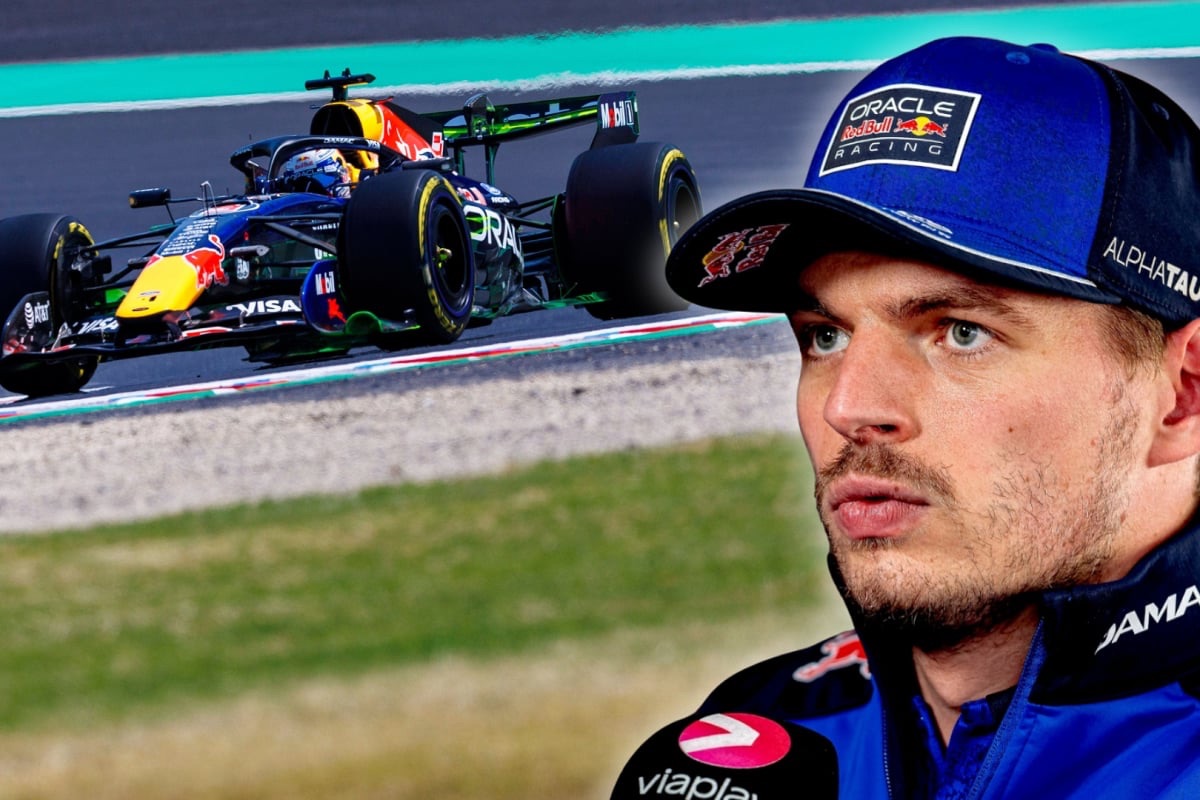
The difficult start to the 2026 Formula 1 season for Max Verstappen could take another turn for the worse, with fresh reports suggesting Red Bull Racing may be excluded from a key FIA support mechanism designed to help underperforming engine manufacturers.
At the heart of the issue lies the FIA’s newly introduced Additional Development and Upgrade Opportunities (ADUO) programme. This initiative was created to level the playing field under the sport’s new power unit regulations by offering struggling manufacturers extra chances to improve their engines during the season. However, eligibility for this lifeline is tightly regulated, and Red Bull may find themselves just outside the required threshold.
According to reports, including insights from Motorsport.com, Red Bull team boss Laurent Mekies remains hopeful that their in-house power unit project could still benefit from the scheme. Yet, early data suggests otherwise.
To qualify for ADUO, a manufacturer’s Internal Combustion Engine (ICE) must fall between two and four percent behind the leading engine in terms of performance. If the deficit sits within that window, the manufacturer is granted one upgrade opportunity during the current season and another the following year. Should the performance gap exceed four percent, even greater concessions are awarded—two upgrades in the same year and two more in the next.
The complication for Red Bull is that their new DM01 power unit may not be underperforming enough to meet the criteria. While that might sound like good news on the surface, it could actually prove costly in the long run. Missing out on ADUO support would mean fewer chances to make significant in-season improvements compared to their rivals.
Meanwhile, Mercedes-AMG Petronas Formula One Team appears to hold a decisive advantage. Their power unit is widely regarded as the benchmark on the grid, but there are suggestions they may be carefully managing their performance output. By avoiding an excessively large gap to competitors, Mercedes could prevent rival manufacturers from qualifying for additional development allowances.
This strategic balancing act may already be affecting Scuderia Ferrari, who are believed to be trailing Mercedes by around 20 to 25 horsepower. That gap could place Ferrari comfortably within ADUO eligibility, granting them valuable extra development time to close the deficit.
Other manufacturers are also expected to capitalize. Audi Formula 1 Project and Honda are both likely candidates to benefit from the programme, particularly as they continue refining their engines under the new regulations.
For Red Bull, however, the situation presents a frustrating paradox. Their engine may be competitive enough to avoid classification as a laggard, yet not strong enough to challenge the front-runners consistently. This leaves Verstappen and teammate Isack Hadjar in a difficult position, potentially relying more on aerodynamic gains and race strategy to stay competitive.
With the season still in its early stages, Red Bull faces mounting pressure to extract maximum performance from both their chassis and power unit without the additional support their rivals may enjoy. If the current trajectory holds, Verstappen’s hopes of defending his dominance in Formula 1 could become increasingly difficult.