Max Verstappen’s team-mate CRASH ‘ruined’ after t…read more
Concerns have emerged inside the Red Bull camp after a difficult pre-season testing incident left one of their drivers fearing his 2026 Formula 1 campaign was effectively over before it had even begun. With the new season approaching rapidly and radically revised technical regulations in play, pressure is already mounting on drivers to get up to speed with the sport’s latest generation of cars.
Formula 1’s 2026 rule overhaul has introduced major changes to both chassis and power unit design, placing a far greater emphasis on electrical energy deployment and race-long energy management. The cars demand more strategic input from drivers and engineers alike, and even experienced competitors have admitted that adapting has not been straightforward. Despite expanded testing opportunities compared to previous seasons, several teams and drivers are still encountering early setbacks.
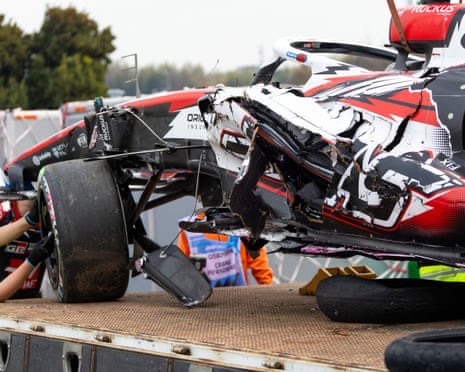
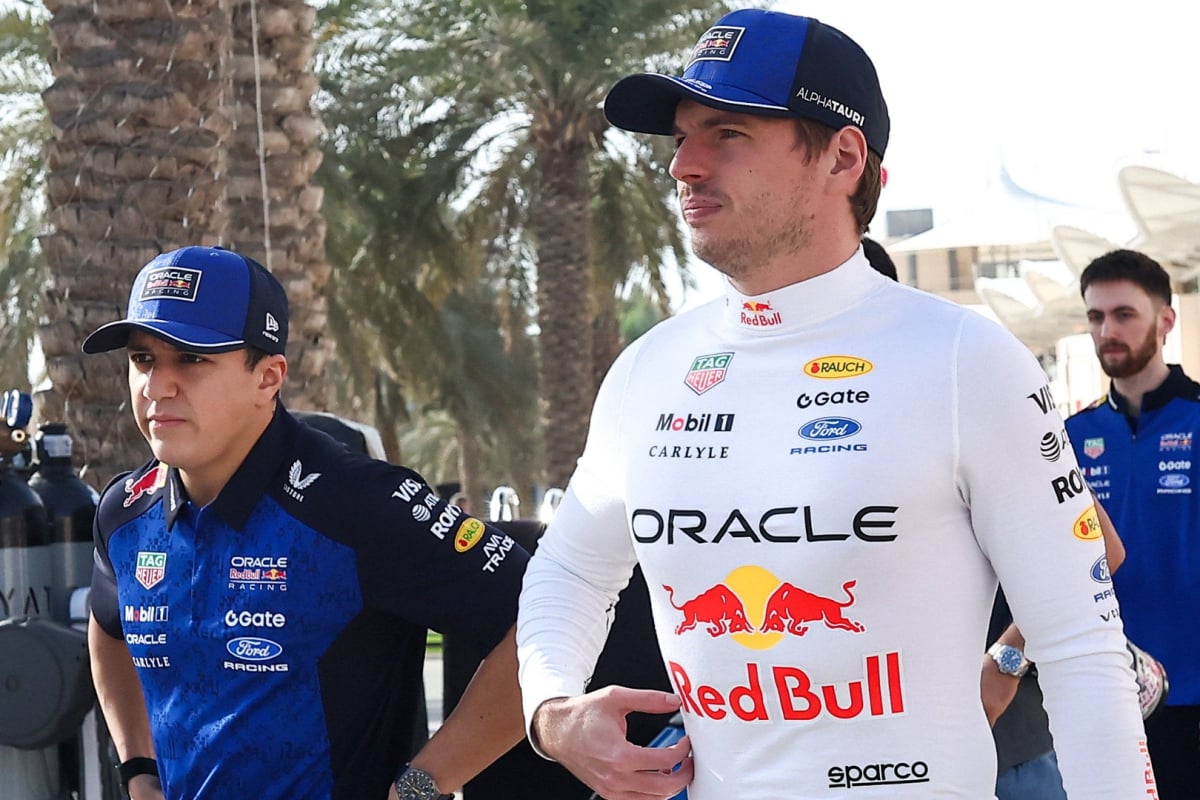
Attention has focused in particular on Red Bull’s new second driver, Isack Hadjar, who endured a heavy crash during a private pre-season test session in Barcelona. The incident happened late on the second day of a five-day programme and caused significant disruption to the team’s schedule. The damage required replacement components to be shipped urgently from the factory, delaying further running and limiting track time for the rest of the lineup.
The crash also temporarily sidelined the team’s lead driver until the final day of the shakedown programme, compressing valuable preparation time. Estimates placed the repair bill at over half a million dollars, underlining how costly even a single testing accident can be under modern F1 budgets and cost controls.
Reflecting on the moment, Hadjar admitted that his immediate reaction was one of panic and self-doubt. He revealed that his thoughts quickly turned to former Red Bull junior Pierre Gasly, whose earlier promotion and swift demotion from the senior Red Bull team remains one of the most talked-about examples of how unforgiving the environment can be for second drivers alongside the team’s established star.
Hadjar explained that after the accident he followed the public reaction online and became worried that his opportunity with the main squad might already be slipping away. The fear stemmed not only from the crash itself but from Red Bull’s long-standing reputation for making decisive and sometimes ruthless driver changes when expectations are not met quickly.
Red Bull’s history with its second seat has often been described as a revolving door. Since the departure of Daniel Ricciardo, the team has struggled to find a long-term partner capable of consistently matching their lead driver’s pace and results. Gasly was promoted but returned to the junior squad mid-season after a difficult run. His replacement, Alex Albon, also eventually lost the seat after inconsistent performances.
The cycle continued with Sergio Perez, who held the role longer than most but ultimately moved aside as Red Bull reshuffled again. More recently, Liam Lawson was given a brief opportunity that lasted only a couple of race weekends before another switch placed Yuki Tsunoda in the cockpit. Now, with Tsunoda no longer in a full-time race seat for 2026, Hadjar has stepped into one of the most pressurized roles on the grid.
Despite the early scare, the team has continued to support Hadjar following the Barcelona incident, signaling that one testing error will not automatically end his chances. However, the spotlight will remain firmly on his performances once the season begins. With the competitive field adjusting to complex new machinery and expectations high inside Red Bull, every session will count.
Whether Hadjar can break what many fans call the team’s “second seat curse” will be one of the key storylines to watch as the 2026 championship gets underway.