McLaren urge FIA to address safety concerns after alarming Australian GP near-miss
McLaren team principal Andrea Stella has called on the FIA to closely review race start procedures after what he described as a worrying “near-miss” incident during the opening lap of the season-opening Australian Grand Prix.
The 2026 Formula 1 season began in Melbourne with the introduction of a brand-new era of power unit regulations. While the changes are designed to shape the future of the sport with greater electrical power and improved efficiency, the early stages of the season have already raised concerns among some teams regarding safety during race starts.
Even before the first race weekend, Stella had voiced worries about the possibility of cars accelerating slowly off the line due to the characteristics of the new power units. During pre-season running and practice starts, several teams experienced inconsistent launches, with some cars struggling to accelerate quickly when the lights went out.
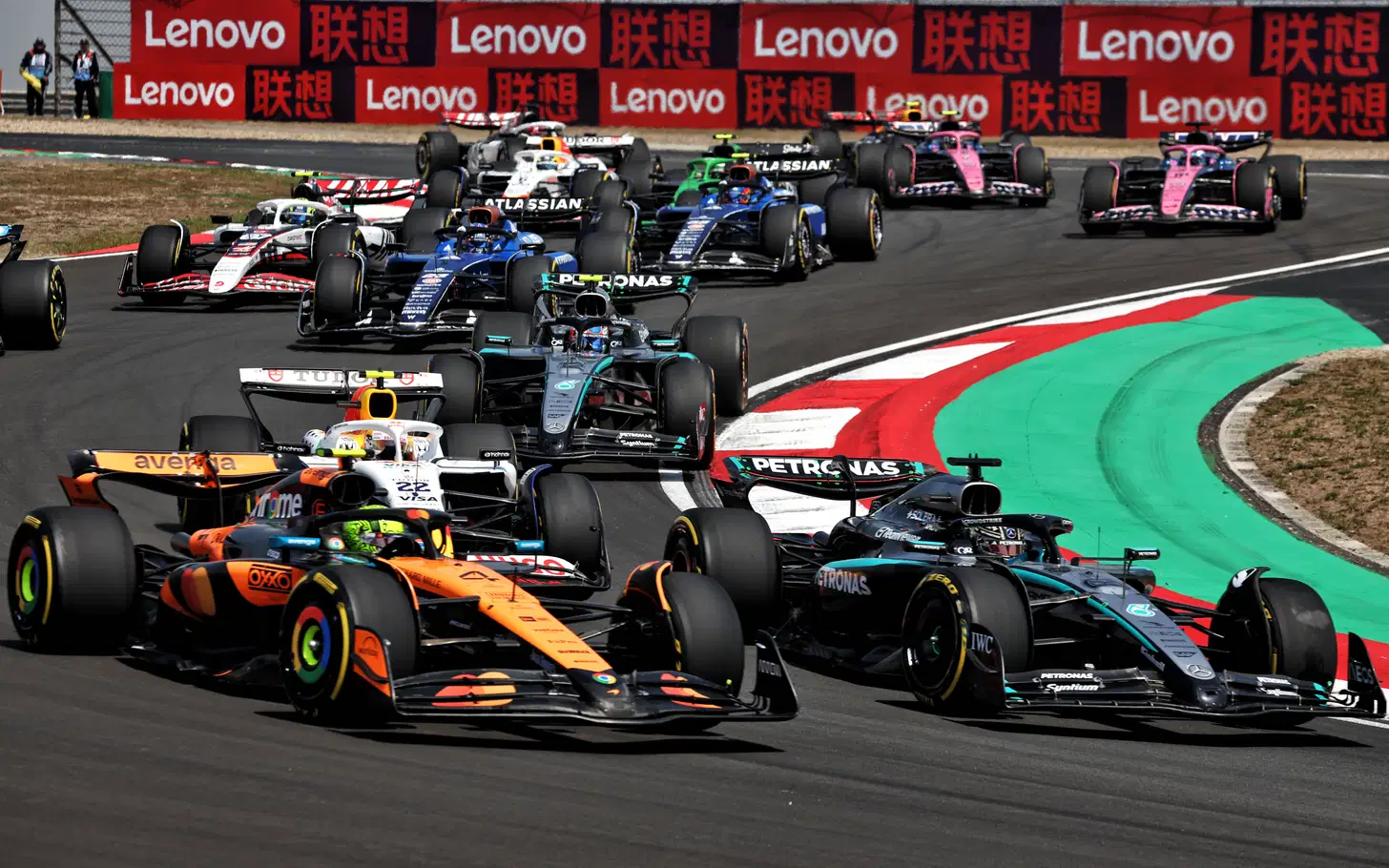
Those concerns appeared to materialize at the start of the race at Albert Park Circuit. Racing Bulls driver Liam Lawson had difficulty getting off the grid smoothly, leaving his car moving significantly slower than the rest of the field.
Behind him, Franco Colapinto was forced to react instantly to avoid a potential collision. With the field accelerating rapidly around him, Colapinto had to take quick evasive action to avoid hitting Lawson’s car from behind. The incident created a tense moment during the chaotic opening seconds of the race.
Fortunately, contact was avoided, but the situation highlighted a potential safety risk created by the large performance gap between cars at the moment the race begins.
Speaking to reporters after the race, Stella emphasized that the issue should not be ignored. While the Melbourne incident did not result in a crash, he believes it served as an early warning sign for the championship.
“The concern is still there,” Stella explained. “The start was somewhat of a near-miss. There was a very large difference in speed between cars on the grid.”
According to the McLaren boss, relying on luck to avoid incidents is not a sustainable approach. Instead, he believes Formula 1’s governing body should continue analyzing the problem to prevent similar situations in the future.
“We can either hope that nothing bad happens, or we can take steps to reduce the speed differences between cars,” he said.
However, Stella acknowledged that the matter is far from straightforward. Because the issue is tied to the complex behavior of the new hybrid power units and their energy deployment systems, finding a solution will likely require technical discussions among teams, engineers, and the FIA.
“This is a very technical subject,” Stella added. “It’s not necessarily about immediately saying we should implement a specific change. But my message is that we should keep working on it and maintain focus on the start procedure, because at some point this could become a serious problem.”
The opening race weekend also brought attention to another complication linked to the new power units: large speed differences on long straights.
Under the current regulations, drivers must carefully manage their electrical energy throughout a lap. One strategy involves lifting off the throttle toward the end of a straight to recover energy that can later be deployed elsewhere on the track.
While this tactic can improve overall efficiency and race performance, it also means that some cars may slow down earlier than others, creating unexpected closing speeds for drivers behind.
That variation in pace, combined with the slower race starts seen in Melbourne, has prompted concerns about whether the new era of Formula 1 could introduce additional safety challenges.
Stella stressed that the sport must remain proactive as teams continue to learn how to operate the new technology effectively.
For McLaren, the Melbourne near-miss serves as an early reminder that the transition to the new regulations may require further adjustments. While the season has only just begun, the team believes now is the time for the FIA and the wider Formula 1 community to keep evaluating the situation before a more serious incident occurs.