McLaren eager for validation after striking Red Bull’s D…read more
McLaren has made no secret of its belief that an early pivot away from developing its 2025 Formula 1 car will pay dividends when the sport enters a bold new technical era in 2026. Now, as preparations intensify for the sweeping regulation changes ahead, the Woking-based team is keen to see whether that strategic gamble will deliver the competitive edge it hopes for.
The 2025 season proved to be a landmark one for McLaren. With the MCL39 emerging as one of the most complete packages on the grid, the team wrapped up the constructors’ championship in Singapore, giving it the luxury of shifting focus earlier than most of its rivals. Lando Norris then went on to clinch the drivers’ title in dramatic fashion, edging out Max Verstappen by just two points in a tense finale.
That success allowed McLaren to make a decisive call: stop meaningful development on the 2025 car and redirect resources towards the all-new regulations coming in 2026. Those rules are set to radically reshape Formula 1, with major changes to power units, chassis concepts and the introduction of active aerodynamics, making early groundwork potentially invaluable.
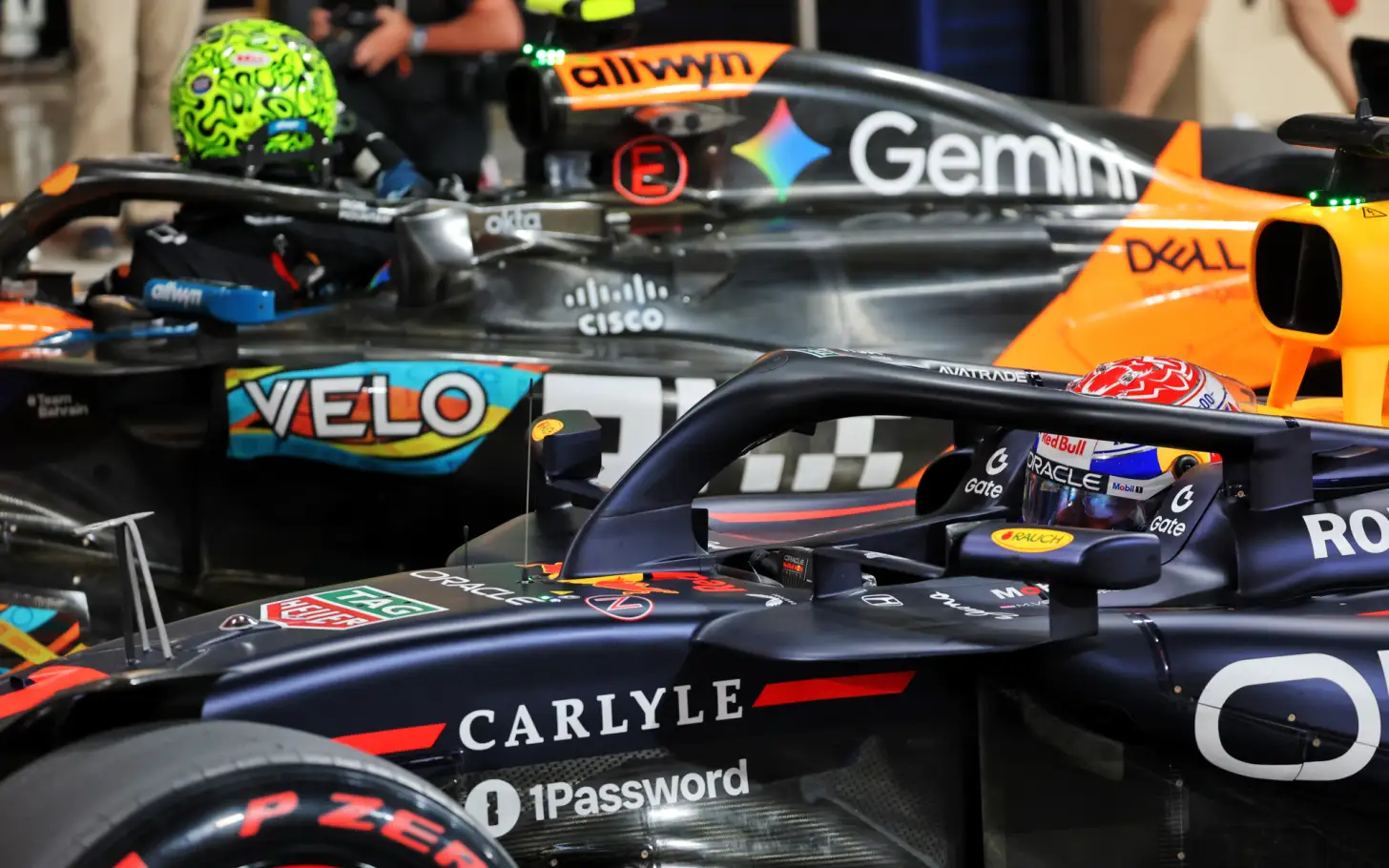
While McLaren chose that path, Red Bull took a different approach. The Milton Keynes squad continued to push development of its RB21 deep into the 2025 season, extracting further performance gains as the year progressed. However, that decision may have come at a cost, potentially reducing the time and resources available to fully exploit the opportunities presented by the 2026 rule reset.
Speaking about McLaren’s strategy, engineering technical director Neil Houldley explained that the team felt the law of diminishing returns had firmly set in by the time the decision was made.
“If we had continued to develop in 2025, we would have certainly gone into 2026 slower than we’re going to,” Houldley told media, including RacingNews365. “At that stage, we were chasing milliseconds. A 30-millisecond gain was considered a good upgrade, so once you’re operating at that level, it became clear that stopping development was the right call for us.”
According to Houldley, the choice was not without risk. Rivals who continued to evolve their 2025 machinery—Red Bull in particular—reaped tangible benefits later in the season. Red Bull’s persistence delivered noticeable performance improvements, helping them close the gap and keep pressure on McLaren until the final rounds.
Even so, McLaren remains confident that the long-term upside outweighs the short-term gains it sacrificed. With engineering hours, simulation work and conceptual development redirected toward the 2026 project, the team believes it has put itself in a stronger position for the dawn of the new era.
“Other teams carried on developing and it certainly gave Red Bull some strong gains towards the end of the year,” Houldley acknowledged. “But we still believe we made the right decision. When we arrive in 2026, hopefully that will be proven on track.”
The 2026 season is widely viewed as one of the biggest technical shake-ups in modern F1 history. With such extensive changes, teams that best understand the new regulations early—and avoid being constrained by legacy concepts—could enjoy a significant advantage. For McLaren, the early switch-off of 2025 development was a calculated attempt to maximise that opportunity.
As testing approaches and the first true indicators of 2026 performance draw closer, McLaren is eager for validation. If its foresight translates into early competitiveness under the new rules, the decision to sacrifice late-2025 gains may be remembered as a masterstroke. If not, questions will inevitably be asked. Either way, McLaren has already made its choice—and now the countdown to finding out if it was the right one has truly begun.