McLaren shocked by ‘strong’ Red Bull after te…read more
McLaren CEO Zak Brown has admitted that Red Bull have emerged from early 2026 Formula 1 testing looking stronger than many expected, raising eyebrows across the paddock ahead of the opening race of the new regulation era. With just weeks remaining before the first grand prix of the season, teams are intensifying preparations following the initial private shakedown sessions in Barcelona.
The January shakedown at the Circuit de Barcelona-Catalunya allowed most teams to gather early data on their all-new cars built for the 2026 rules package. Each team was permitted up to three days of running across a five-day window, though Williams chose not to participate in the Barcelona outing. These early tests focused primarily on reliability, systems checks, and baseline performance rather than outright speed.
Mercedes stood out in terms of durability, completing an impressive 500 laps across the session with George Russell and rookie Kimi Antonelli sharing driving duties. Lewis Hamilton — now driving for Ferrari — recorded the quickest unofficial lap time of the shakedown, but it was Red Bull’s overall performance and consistency that generated the most surprise among rival teams.
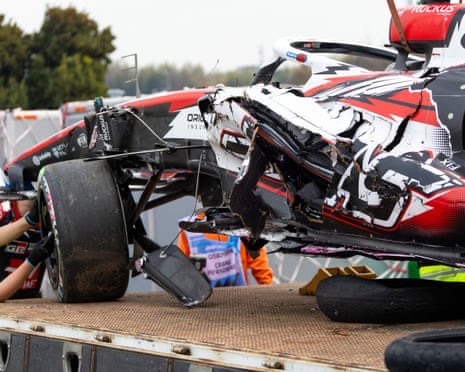
Both McLaren and Red Bull encountered setbacks during the Barcelona running. Red Bull’s programme was briefly disrupted after new signing Isack Hadjar crashed late on the second day, forcing the team to pause while replacement components were shipped from their Milton Keynes base. Despite that interruption, Red Bull still managed to log significant mileage, easing early concerns about their brand-new in-house power unit project.
McLaren also faced technical trouble during their test. Oscar Piastri lost valuable track time on the second day when the team discovered a fuel system fault that kept the car in the garage for much of the afternoon. Although the issue was resolved in time for further laps later in the test, Piastri suggested there were still lingering question marks related to the Mercedes engine package. Such teething problems are widely expected this year due to the scale of the regulation overhaul, which has forced teams to redesign both chassis and power units.
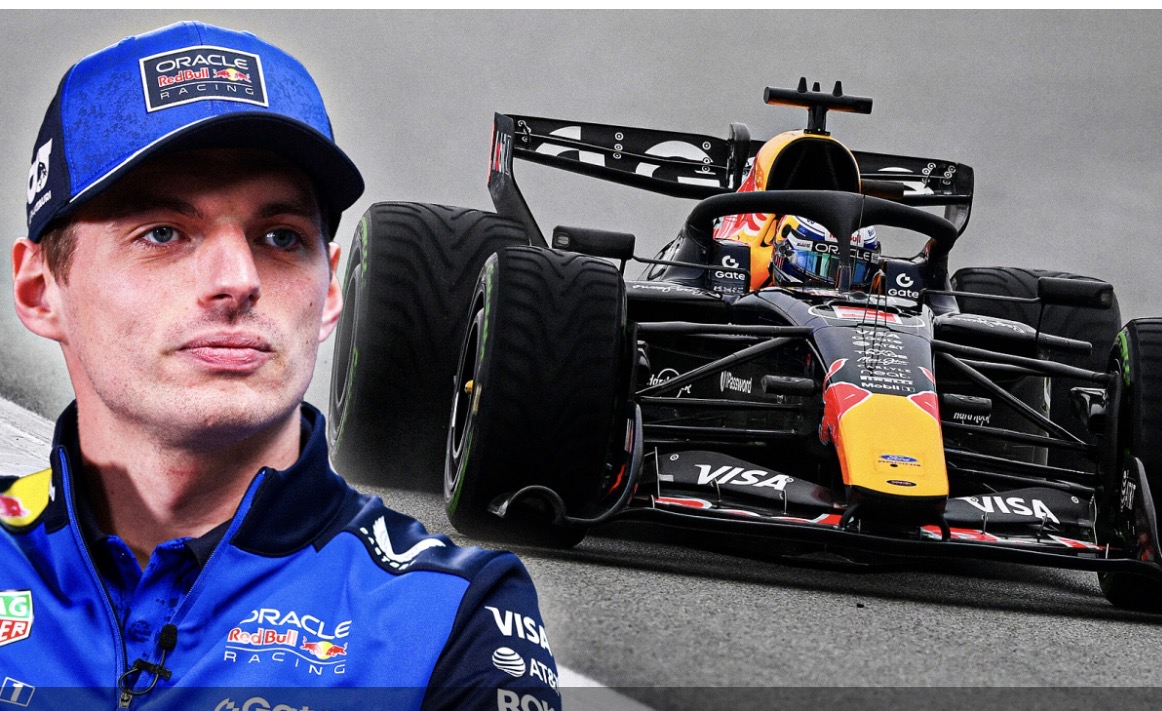
What has caught competitors’ attention most is how well Red Bull Powertrains has performed so far. The RB22 marks the first season Red Bull are running a fully in-house engine operation, transitioning into a true works team setup. Given the complexity of the new hybrid regulations and increased electrical power demands, many observers expected early reliability struggles. Instead, Red Bull’s unit has appeared stable and competitive from the outset.
Speaking at the opening of the McLaren Racing Center in Indianapolis, Zak Brown openly acknowledged Red Bull’s strong showing. While half-joking that he would prefer them to be less competitive, he praised the progress they have made in a short period. Brown noted that Red Bull completed a large amount of running and showed encouraging performance levels, suggesting they could be a serious contender once the season begins.
His comments underline a growing belief in the paddock that Red Bull may have handled the transition to the new engine era better than anticipated. That could significantly impact the competitive order, particularly as teams are still learning how to optimize the new energy-heavy power units and revised aerodynamic concepts.
Attention now turns to the official pre-season tests in Bahrain, scheduled in two phases from February 11–13 and February 18–20. These sessions will provide clearer performance comparisons as teams move closer to race-spec setups.
The 2026 Formula 1 season will officially begin in Melbourne with the Australian Grand Prix on March 8. With major rule changes reshaping the sport and early indications pointing to unexpected strengths and weaknesses among top teams, the competitive picture remains highly fluid — but Red Bull’s early form has clearly put rivals like McLaren on alert.