Mercedes and Red Bull confirm changes for 2026 following…read more
Mercedes and Red Bull have both confirmed brand updates ahead of the 2026 Formula 1 season, with the two powerhouse teams unveiling refreshed logos as the sport prepares for a major regulatory reset. The announcements, made in the wake of New Year celebrations, underline how seriously both outfits are taking the start of a new era, as each aims to position itself at the front of the grid when the revised technical rules come into force.
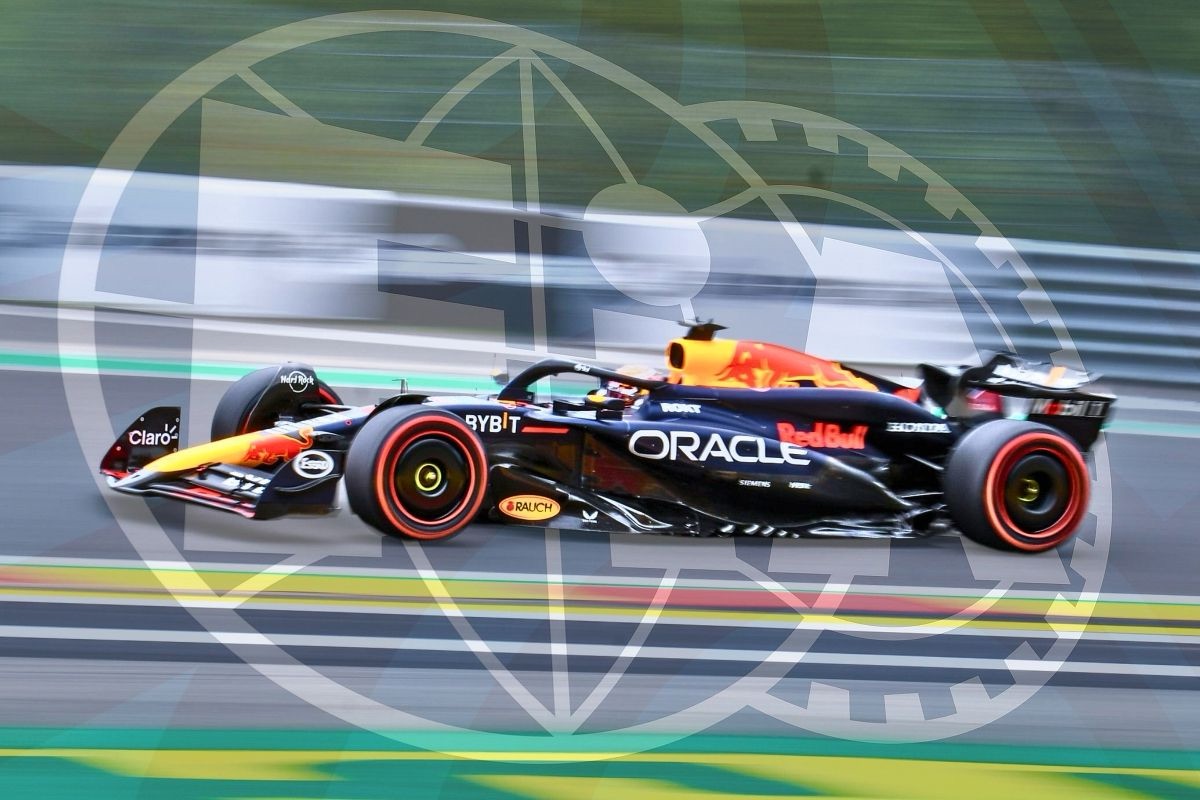
Red Bull’s update is subtle but symbolic. The Milton Keynes-based squad has opted to tweak its long-standing branding by bringing back a white background behind the iconic “Red Bull” lettering. The move is a nod to earlier chapters in the team’s history and reflects a blend of tradition and modernity as Red Bull embarks on one of the most significant challenges it has faced in Formula 1. With the team set to introduce its first in-house power unit project, developed in partnership with Ford, the refreshed logo also serves as a visual marker of a new beginning.
Mercedes, meanwhile, has taken a more expansive approach to its rebrand. The Brackley outfit has officially incorporated “Petronas Formula 1 Team” into its emblem, alongside the prominent addition of AMG branding. The revised logo highlights the deeper integration of Mercedes’ performance division and its long-term title partner, Petronas, as the team looks to reassert itself at the top of the sport after a mixed run in recent seasons.
The timing of the announcements is no coincidence. The 2026 season will usher in sweeping changes to Formula 1’s technical landscape, including new power unit regulations that place greater emphasis on electrical energy and sustainable fuels. For teams, this represents a rare opportunity to reset competitive order, and branding updates often go hand-in-hand with such transformative moments.
Mercedes is widely being tipped by paddock insiders as an early favourite heading into the new regulations. Encouraging signals have emerged from within the team, suggesting that development of its 2026 car and power unit is progressing in line with internal targets. However, despite the optimism, there is an acknowledgement that predicting the competitive picture remains extremely difficult.
Speaking after the season finale in Abu Dhabi, Mercedes team principal Toto Wolff struck a cautious but confident tone when asked about the squad’s prospects under the new rules. He explained that while the team has set clear development goals and believes it is on course to meet them, there is no guarantee that those benchmarks are either ambitious enough or focused on the right priorities.
“It’s super difficult to predict, because we set ourselves targets that we are on track to meet,” Wolff said. “But whether those targets were set ambitious enough and whether those targets have been set in the right place in terms of priorities, only the future will show. This is not far away, eight weeks or so.”
Wolff’s comments reflect the broader uncertainty across the grid. Alongside Mercedes, several manufacturers are entering a crucial phase. Audi is preparing for its full works debut, Honda is returning as a power unit supplier, and Red Bull will roll out its own engine for the first time. Ferrari, meanwhile, is also expected to make a significant step forward after investing heavily in its 2026 project. With so many variables in play, the true pecking order may not become clear until well into the new season.
On the driver front, Mercedes’ ambitions are closely tied to George Russell, who has made it clear that he believes he is ready to fight for a world championship if given the right machinery. The British driver, who has emerged as the team’s leading figure, is confident in his ability to compete with the very best on the grid.
“I definitely know I can mix it with those guys at the top,” Russell said. “Max is obviously the gold standard at the moment. He’s the one that I’d want to go head-to-head with, and I think he’s the only one that people would question.”
Russell went on to praise Max Verstappen’s level, suggesting that the reigning champion is the ultimate benchmark for any driver with title ambitions. For Mercedes, a successful start to the 2026 era would not only validate its technical direction but also provide Russell with the platform he believes he needs to challenge Verstappen and Red Bull on equal terms.
As Formula 1 edges closer to a new chapter, the refreshed identities of Mercedes and Red Bull offer an early glimpse of the battles to come. While logos alone will not decide championships, they symbolize the renewed focus, ambition, and readiness of two giants determined to shape the next era of the sport.