Mercedes and Red Bull tipped to surge ahead in 2026 as rivals push FIA for intervention
Formula 1’s 2026 regulations are shaping up to be one of the most transformative resets in the sport’s history, particularly in the area of power units. With sweeping changes on the horizon, Mercedes and Red Bull are now being tipped to gain a significant early advantage, prompting rival manufacturers to urge the FIA to step in and clarify the rules.
From 2026, F1 will introduce a new generation of hybrid power units built around sustainability and electrification. While the familiar 1.6-litre V6 turbo engine remains, its role will be rebalanced, with far greater reliance placed on electrical power. The ERS system will be substantially upgraded, delivering a sharp increase in electrical output alongside a new ‘overtake’ mode designed to improve racing and energy deployment.
At the same time, the internal combustion engine will run entirely on sustainable fuels, a key pillar of Formula 1’s ambition to reach net-zero carbon emissions by 2030. These technical and environmental shifts were instrumental in attracting Audi to the championship as a full works power unit supplier from 2026, while General Motors is also set to enter the sport in 2028.
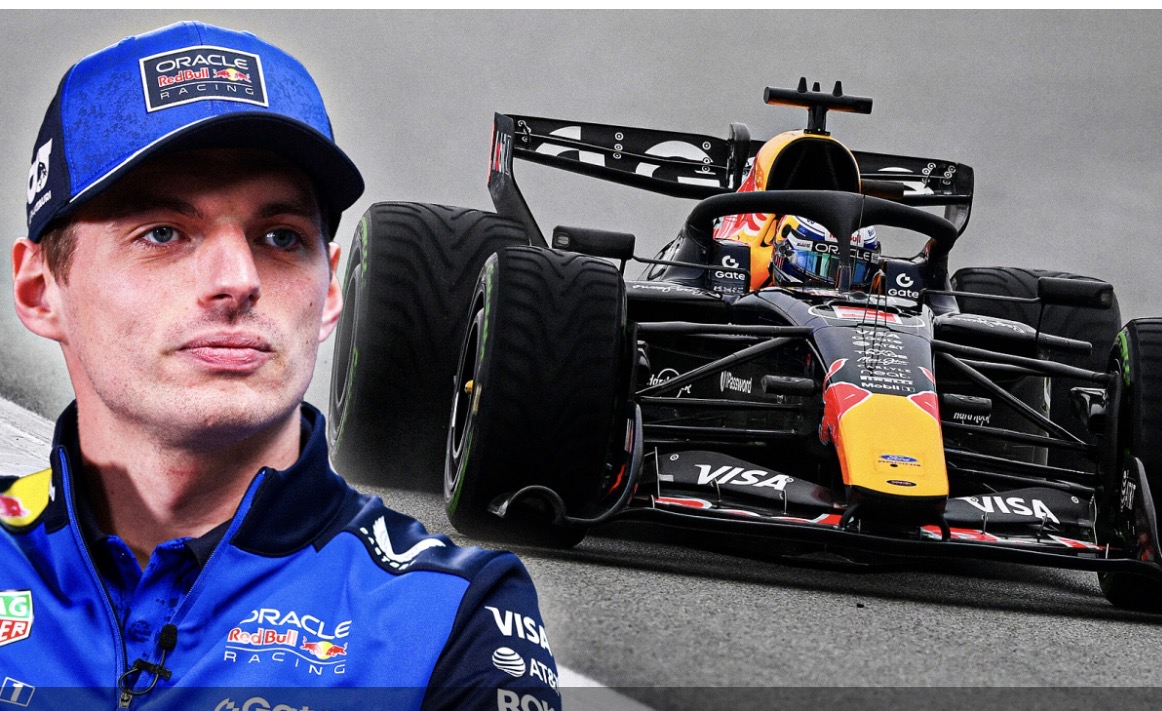
Against this backdrop of change, the competitive battle behind the scenes has intensified. Red Bull, having ended its long-standing partnership with Honda, is developing its own power units through Red Bull Powertrains, with technical backing from Ford. Mercedes, meanwhile, is determined to repeat the success it enjoyed at the start of the hybrid era in 2014, when its early advantage helped define an era of dominance.
According to reports from German media, those two manufacturers may already be ahead of the curve. Mercedes and Red Bull are alleged to have discovered an innovative solution related to the new rules governing compression ratios in 2026 power units — a development that could give them a decisive edge over their rivals.
Under the current regulations, engines operate with a geometric compression ratio of 18:1. However, from 2026 this figure is due to be reduced to 16:1 as part of the revised technical framework. The compression ratio is a crucial factor in determining how efficiently an engine converts fuel into power, and even small changes can have a notable impact on performance.
The allegation is that Mercedes and Red Bull have found a way to comply with the 16:1 limit when the car is stationary, while effectively increasing the compression ratio back towards 18:1 during running conditions on track. If permitted, such a mechanism could allow them to extract considerably more performance without technically breaching the written regulations.
Estimates suggest this approach could be worth as much as 15 brake horsepower. In modern Formula 1 terms, that is a substantial gain — potentially translating into lap-time improvements of around three tenths of a second. To put that into context, at a circuit like Albert Park in Melbourne, such a margin could easily be the difference between fighting for pole position and starting several rows further back on the grid.
Unsurprisingly, rival manufacturers are concerned. Audi, Ferrari and Honda are all reported to be pressing the FIA to intervene, seeking clearer wording and tighter enforcement of the rules to ensure that no manufacturer can exploit grey areas in the regulations. Their fear is that if the issue is not addressed early, Mercedes and Red Bull could establish a performance gap that proves difficult to close, especially under cost-cap restrictions.
The situation echoes past controversies in Formula 1, where innovative interpretations of technical regulations — from double diffusers to flexible wings — have forced the governing body to step in, either by issuing clarifications or rewriting the rules entirely. With the 2026 reset intended to create closer competition and attract new manufacturers, the FIA is under pressure to ensure a level playing field from the very start.
For now, no official ruling has been made, and it remains unclear whether the alleged solution will be deemed legal, restricted, or banned outright. What is clear, however, is that the battle for supremacy in 2026 has already begun — not on the racetrack, but in design offices and FIA meeting rooms.
As teams push the boundaries of the new regulations, the FIA’s response to this emerging dispute could play a decisive role in shaping the competitive order of Formula 1’s next era.