Breaking: Mercedes-AMG Petronas Formula One Team Unleashes Bold Driver Shake-Up and Technical Reset Ahead of 2026 Revolution
Mercedes have fired a clear warning to the Formula One paddock: they are not waiting for 2026 to arrive—they are already building for it. After enduring a bruising 2025 campaign that left them trailing nearly 400 points behind reigning Constructors’ champions McLaren, the Brackley-based squad has confirmed a series of decisive moves designed to spark a full-scale resurgence under the sport’s sweeping new regulations.
The 2025 season exposed uncomfortable truths for the once-dominant Silver Arrows. Although flashes of genuine pace appeared at various circuits, Mercedes repeatedly struggled to unlock consistent performance. The car’s narrow operating window and unpredictable balance often left the team chasing setups rather than dictating races. What could have been podium opportunities frequently slipped away due to inconsistency.
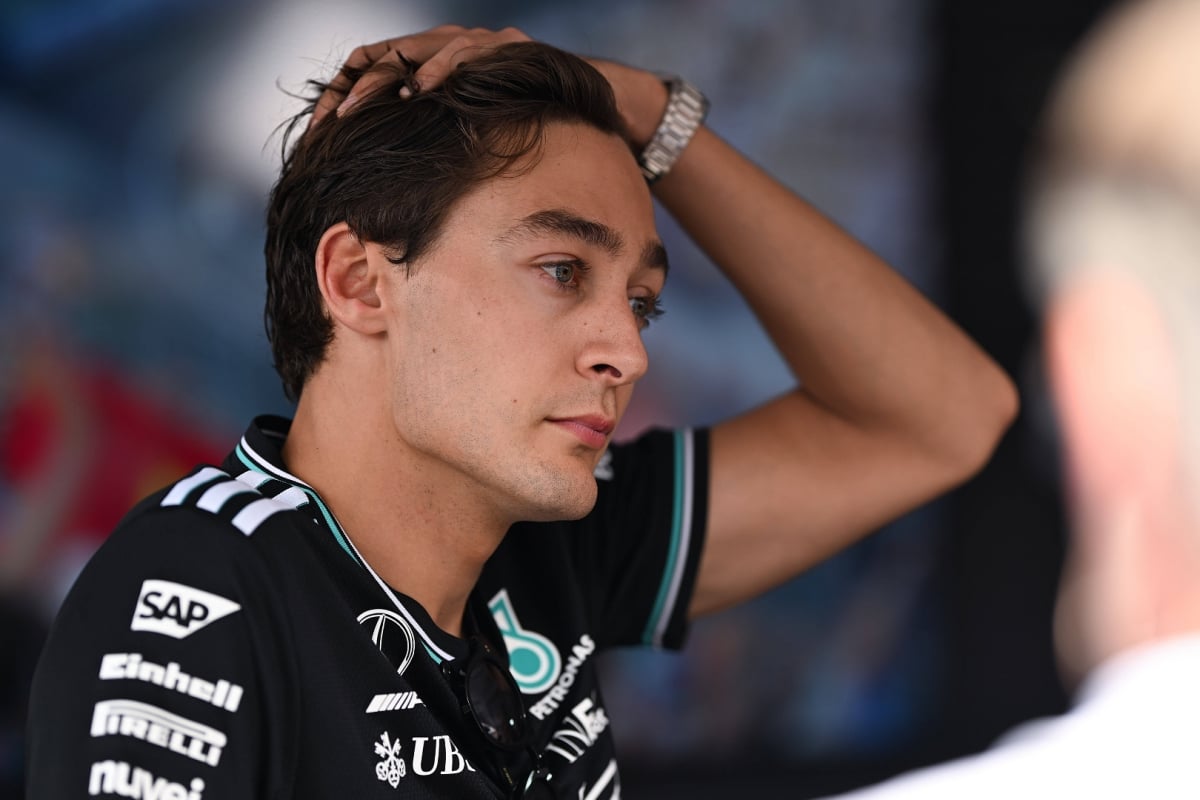
At the centre of the fight stood George Russell. The Briton embraced the role of team leader with maturity and determination, producing several standout drives that reminded fans of Mercedes’ fighting spirit. Yet even Russell’s resilience could not mask the broader deficit. He ended the year nearly 100 points adrift of the top three in the Drivers’ Championship—an unmistakable sign of how far the team had fallen from its once-unassailable position at the front.
Now, with Formula One preparing for one of the most transformative regulation overhauls in its history—impacting both chassis philosophy and power unit architecture—Mercedes see a rare opportunity. The 2026 reset offers a clean slate. For a team renowned for its engineering depth and technical infrastructure, this is more than just a rules change; it is a chance to rewrite the narrative.
A cornerstone of this strategic shift is the promotion of highly rated French talent Doriane Pin to the role of Development Driver. Pin, who has spent the past two seasons embedded within Mercedes’ junior framework, has steadily built a reputation for precision, intelligence, and raw speed. Her elevation signals trust—not only in her driving ability but in her technical feedback and analytical strengths.
Under modern Formula One constraints, where private testing is tightly restricted, simulator work has become the heartbeat of development. In this environment, the Development Driver role is far from ceremonial. Pin will play a hands-on part in refining car concepts, evaluating aerodynamic directions, and assisting engineers in extracting marginal gains that could define the competitive order in 2026. Her responsibilities will extend across factory-based simulator programmes and selected race weekends, ensuring that virtual findings translate effectively to real-world performance.
Mercedes have emphasized that Pin will not be confined solely to behind-the-scenes duties. Maintaining competitive sharpness remains central to their plan, and her 2026 racing programme is expected to be unveiled in due course. By keeping her actively racing, the team ensures her feedback remains grounded in contemporary track experience—an essential asset in an era where development cycles are relentless and unforgiving.
Affectionately nicknamed the “Pocket Rocket,” Pin is also set to attend multiple Grands Prix throughout the season. There, she will support Mercedes’ next representative in the all-female F1 Academy championship, further underlining the team’s commitment to nurturing female talent within the sport. The identity of that driver will be revealed soon, adding another layer to Mercedes’ forward-thinking development pipeline.
Alongside the structural and driver-focused announcements, Mercedes offered fans a symbolic glimpse into their 2026 ambitions by unveiling an updated team livery. While not radically different, the refreshed design carries deliberate messaging. The iconic silver and black colour scheme remains dominant, preserving the heritage of the legendary “Silver Arrows” identity that has defined their most successful modern era.
Silver once again takes centre stage, paying homage to Mercedes’ historic racing legacy, while black continues to feature prominently—reflecting contemporary design aesthetics and sponsor integration. Subtle green detailing remains woven into the look, serving as a respectful nod to the brand’s broader heritage. The overall presentation is sleek, assertive, and unmistakably Mercedes. Rather than signaling reinvention through flamboyance, the livery conveys confidence and continuity—an assertion that the team’s DNA remains intact despite recent struggles.
Taken together, these developments paint the picture of an organisation methodically preparing for battle. Mercedes are aligning every department—driver development, simulator efficiency, engineering philosophy, and brand identity—around the 2026 regulations. There is no sense of panic; instead, there is calculated intent.
For Russell, the implications are enormous. As the team’s established leader, he stands at the forefront of Mercedes’ revival effort. If the technical reset delivers as hoped, he could find himself once again fighting consistently at the front of the grid. The integration of a dedicated Development Driver like Pin may accelerate progress in ways that are not immediately visible—but could prove decisive when the margins tighten.
The true pecking order will only be revealed when the lights go out on the 2026 season. But one thing is clear: Mercedes are not content to remain spectators in Formula One’s next chapter. With renewed focus, emerging talent, and a unified long-term vision, the Silver Arrows are positioning themselves for a calculated return to the sport’s summit.