Mercedes to Report Online Abuse Against Kimi Antonelli to FIA After Disturbing Death Threats
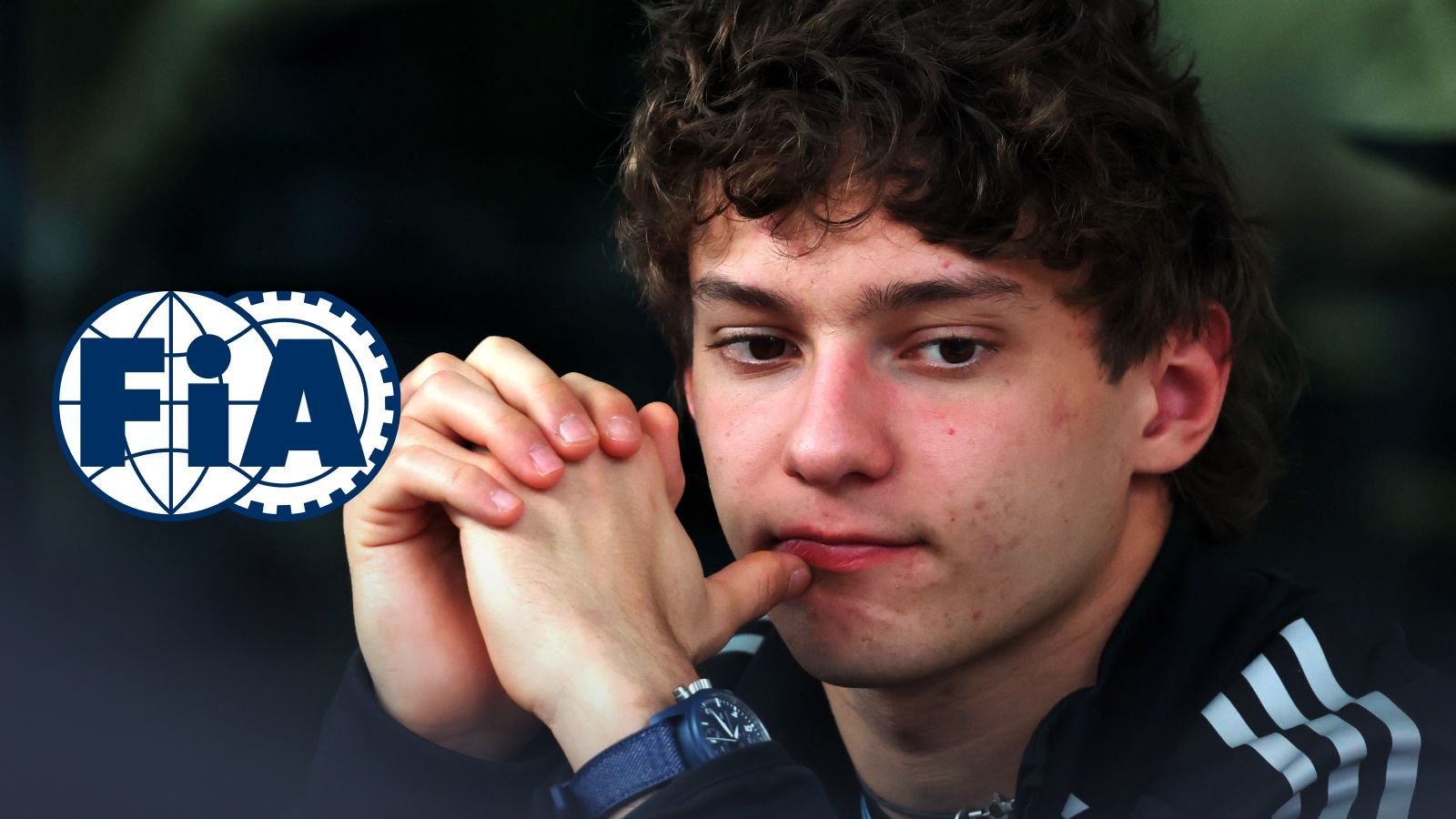
Mercedes is preparing to take strong action after its young Formula 1 driver Kimi Antonelli became the target of shocking online abuse following the Qatar Grand Prix. The team plans to present a detailed report to the FIA, highlighting the scale and severity of the messages directed at the 18-year-old rookie—abuse that included death threats and harmful statements.
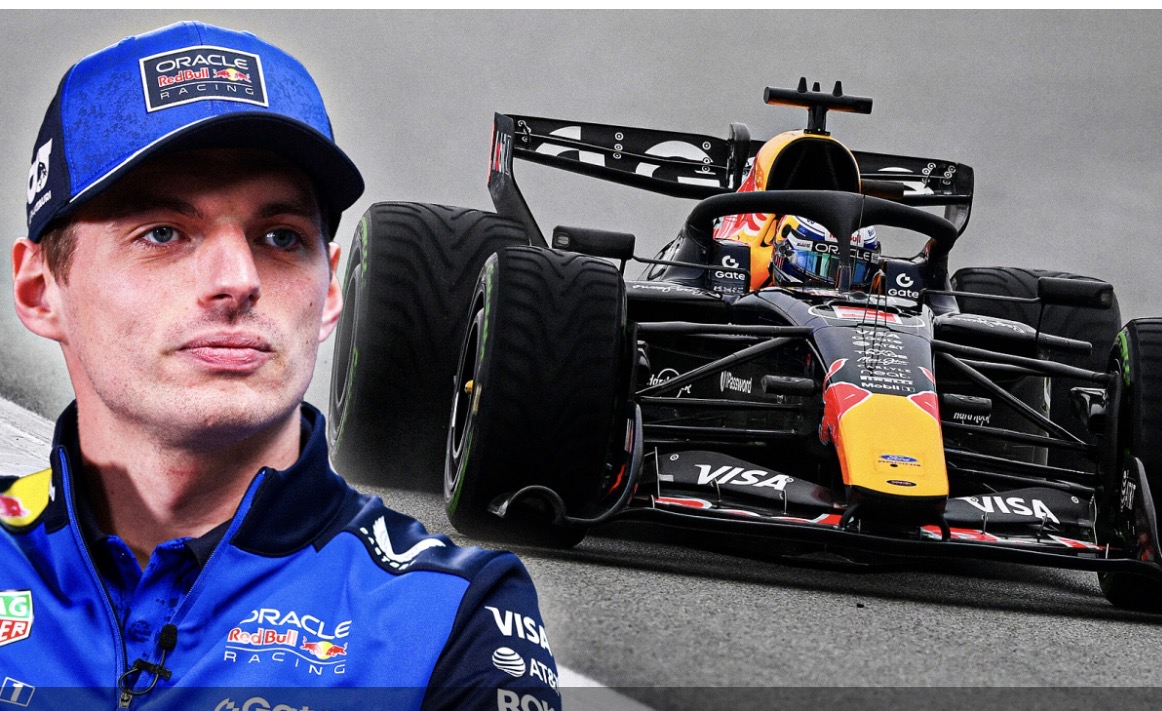
The situation escalated shortly after the race, where Antonelli made a costly mistake on the penultimate lap. Under pressure in the closing stages, the Italian slipped wide, allowing Lando Norris to overtake him for fourth place. While such small errors are common for a driver still finding his footing in Formula 1, the championship implications were significant. Norris’ late gain earned him two extra points, pushing him into the Abu Dhabi finale with a 12-point lead over Max Verstappen in the fiercely contested title battle.
What followed, however, was far more troubling than any on-track consequence. Antonelli was bombarded with hateful and abusive messages across his social media platforms. Fans observed that shortly after the race, he changed his profile picture to a black image, a move many interpreted as a quiet response to the emotional weight of the attacks.
Although visible comments on his most recent posts showed strong support from fans, behind the scenes the volume of negativity was overwhelming. Mercedes’ internal community-monitoring systems flagged well over a thousand severe or suspicious comments on Antonelli’s accounts. Many of these messages reportedly contained threats of violence, abusive language, and degrading insults targeted at the young driver. In addition, more than 300 similarly hostile comments were identified across the official Mercedes team accounts, demonstrating how widely the harassment had spread.
The team has stated that it views the matter with utmost seriousness. As part of its commitment to the FIA-supported United Against Online Abuse initiative, Mercedes intends to present all the abusive comments to the governing body. Their goal is to push for accountability and contribute to broader efforts aimed at making online spaces safer for athletes, staff, and fans across the motorsport world.
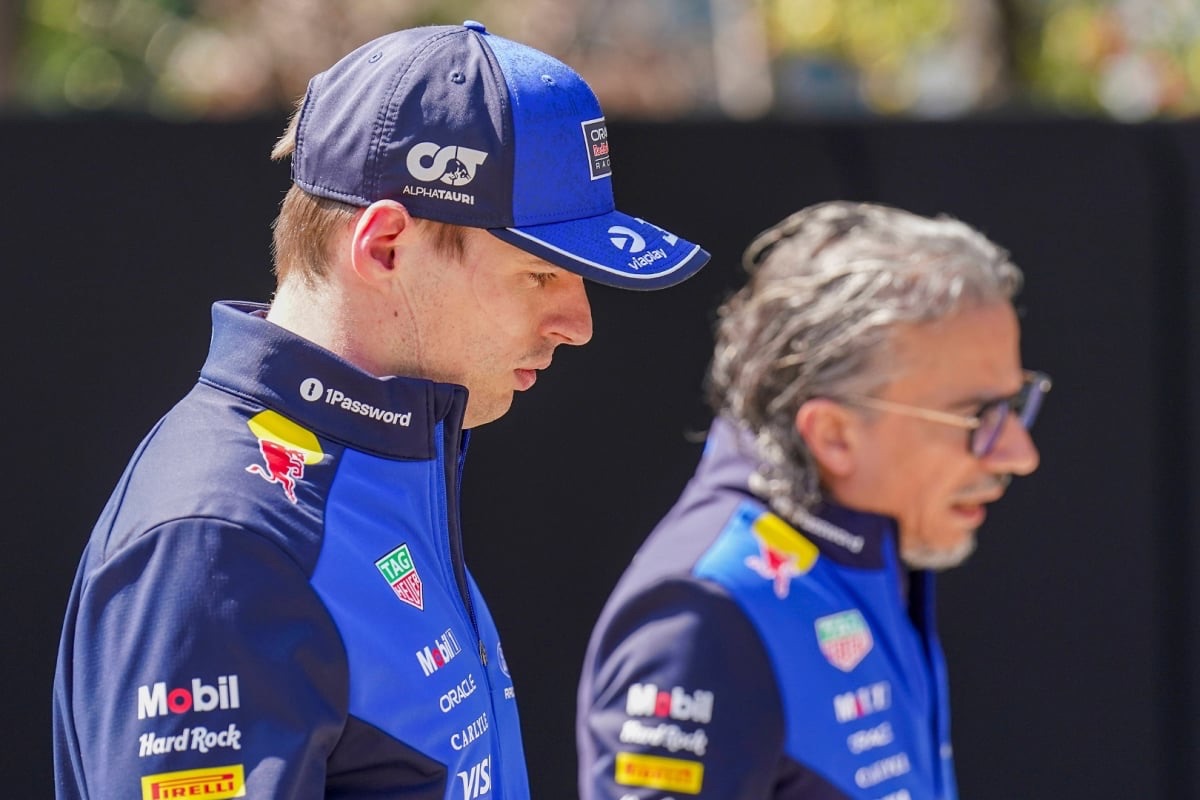
Complicating matters further was a comment made after the race by Helmut Marko, the senior advisor at Red Bull. Marko publicly suggested that Antonelli had intentionally allowed Norris to pass, implying that the rookie had interfered in the championship battle. His allegation drew immediate criticism, not only because it lacked evidence, but because remarks like that have the potential to intensify hateful narratives around a young driver already facing significant pressure.
Responding to Marko’s claim, Mercedes team principal Toto Wolff dismissed the accusation outright, calling it “brainless.” Wolff defended Antonelli, saying the mistake was simply part of the learning process in a rookie season and urging for more understanding toward young talents adjusting to the demands of Formula 1.
Following the backlash, Marko later stepped back from his initial statement. He clarified that he did not intend to blame Antonelli and expressed sympathy for the abuse the teenager was receiving. Marko acknowledged that online harassment has grown into a serious issue across the sport and stated that no driver should be subjected to such extreme and threatening behaviour.
In recent years, Formula 1 has struggled with a rise in toxic online engagement. Drivers, teams, and even journalists frequently report targeted harassment, often triggered by on-track incidents, rivalries, or championship controversies. In response, the FIA launched its United Against Online Abuse campaign to help combat this growing problem and promote safer digital environments.
Antonelli’s case has now become one of the clearest examples of why stronger action is necessary. Though the young driver has shown impressive maturity throughout his debut season, being confronted with hundreds of abusive and threatening messages can take a significant emotional toll. Across the paddock, many fans and public figures have since voiced strong support for him, condemning the harassment and calling for better protections for athletes—especially those still early in their careers.
As Formula 1 heads into its decisive final round in Abu Dhabi, Mercedes remains committed not only to protecting its young driver but also to pushing for wider cultural change. By compiling and presenting the evidence to the FIA, the team aims to highlight the urgent need for accountability and reinforce the message that abuse—whether online or offline—has no place in motorsport.