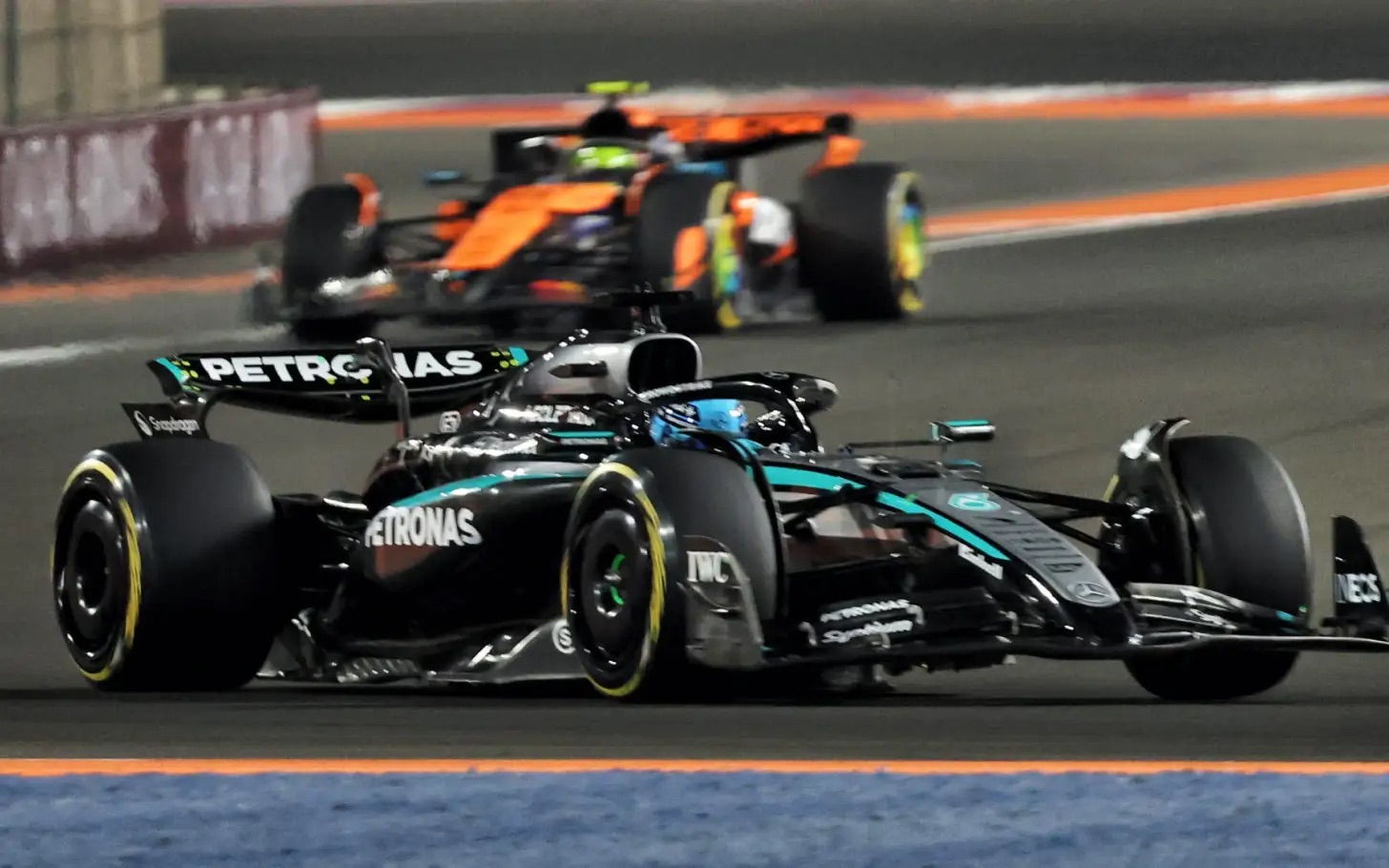
Mercedes tipped to lead 2026 shake-up as fans back Silver Arrows over Red Bull and Ferrari
Twelve years after Mercedes stormed ahead of the field at the dawn of Formula 1’s last major regulation overhaul, there is growing belief among fans that history could be about to repeat itself. With the sport on the verge of its most radical transformation yet, the Brackley-based team has emerged as the clear favourite to challenge — and potentially end — McLaren’s recent dominance.
The upcoming season will usher in the biggest technical reset Formula 1 has ever seen. The new regulations will fundamentally reshape both car design and power units, forcing every team back to the drawing board. Cars will be smaller and lighter, producing less downforce and drag than their predecessors, while active aerodynamics will be introduced in a bid to improve racing and overtaking.
Under the new framework, both the front and rear wings will feature moveable elements, effectively replacing the Drag Reduction System (DRS), which has been scrapped. The goal is to allow drivers more control over aerodynamic efficiency, improving straight-line speed when needed and making wheel-to-wheel battles more competitive.
Perhaps the most significant change lies beneath the bodywork. The new power units will feature a near-even split between internal combustion and electrical power. While the 1.6-litre V6 turbo format remains, the hybrid system has been simplified, with the removal of the MGU-H — long considered one of the most complex and expensive components in F1. In its place, the MGU-K will take on a greater role, delivering increased electrical power to boost overtaking and top-end speed.
In addition, Formula 1 will take another step toward sustainability, with all cars running on 100% sustainable fuel — a move aimed at aligning the sport more closely with road car technology and environmental goals.
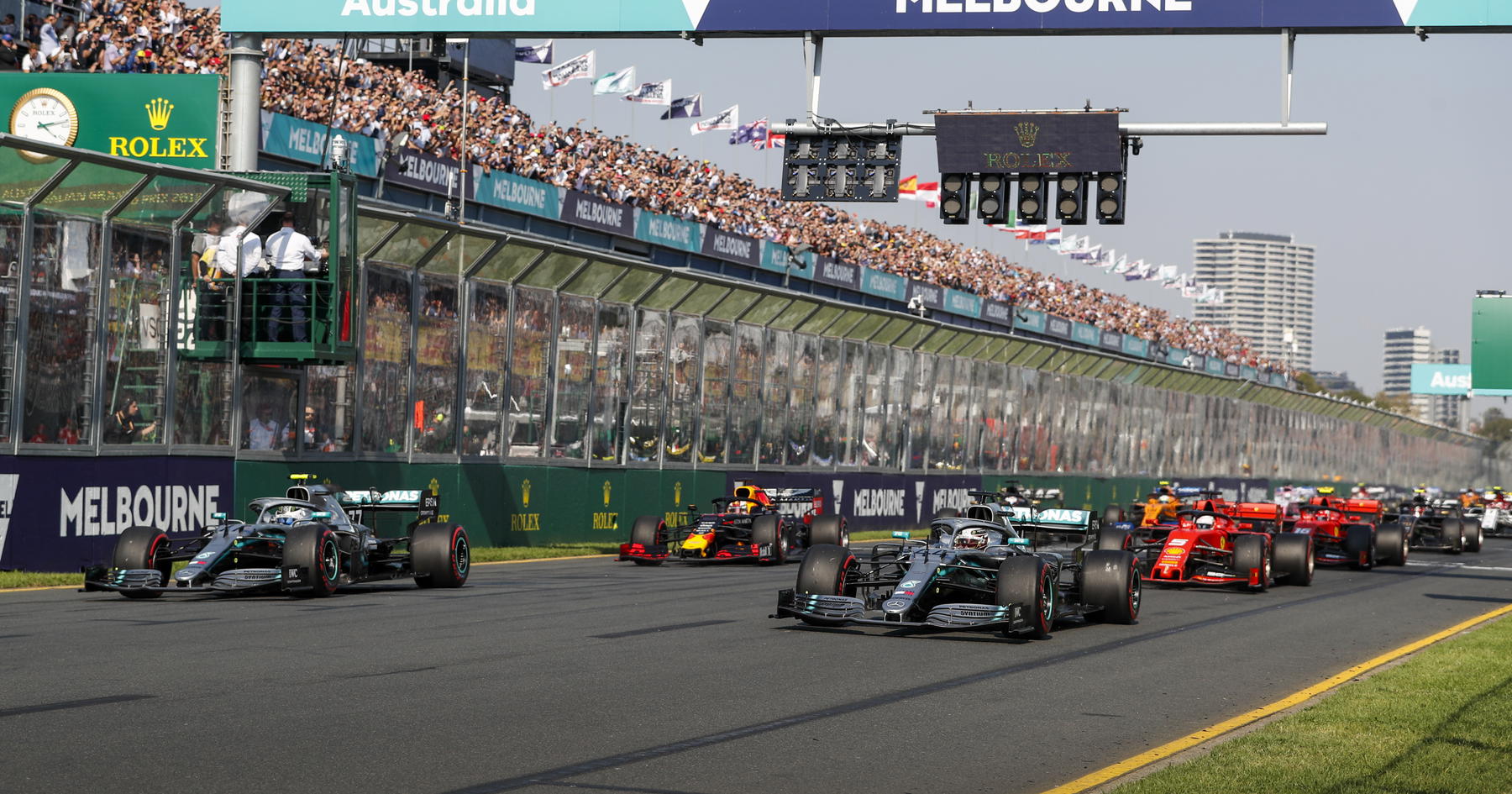
For many observers, these sweeping changes inevitably draw comparisons with 2014, when the introduction of turbo-hybrid power units triggered one of the most dominant eras in F1 history. Mercedes not only interpreted those regulations better than its rivals, but also built a power unit advantage so substantial that it underpinned eight consecutive constructors’ championships between 2014 and 2021.
That legacy has not been forgotten by fans.
In a poll conducted over the Christmas period asking which team is best positioned to end McLaren’s reign as back-to-back constructors’ champions, Mercedes emerged as the overwhelming choice. More than half of respondents — 53.85% — backed the Silver Arrows to rise to the top under the new rules.
Red Bull, despite its recent success and reputation for operational excellence, finished a distant second with 22.67% of the vote. Ferrari followed in third place on 9.72%, while Aston Martin, now led by legendary designer Adrian Newey in his role as team principal, secured 8.1%, narrowly trailing the Scuderia.
The results underline the confidence many fans still place in Mercedes’ engineering pedigree, particularly when it comes to power unit development. With the 2026 regulations placing renewed emphasis on engine efficiency, electrical deployment and energy management, Mercedes’ past dominance in the hybrid era continues to shape perceptions.
While McLaren currently sits atop the constructors’ standings and has proven itself a formidable force under the existing rules, the scale of the upcoming changes means little can be carried over. Every team faces the same challenge: interpreting a complex new rulebook while balancing performance, reliability and long-term development.
For Mercedes, the reset could represent the opportunity it has been waiting for after several seasons spent trying to close the gap to the front. Red Bull and Ferrari, meanwhile, must ensure that their current strengths translate into the new era, particularly as the power unit once again becomes a defining performance factor.
Aston Martin’s position in the poll also reflects intrigue around Newey’s influence. Widely regarded as the greatest designer in F1 history, his leadership adds an element of unpredictability, even if expectations remain cautious in the short term.
Ultimately, the verdict from fans is clear: when Formula 1 undergoes seismic change, Mercedes is the team many still trust most to get it right. Whether that confidence proves justified on track remains to be seen, but as the sport prepares for a bold new chapter, the Silver Arrows are firmly back in the spotlight.