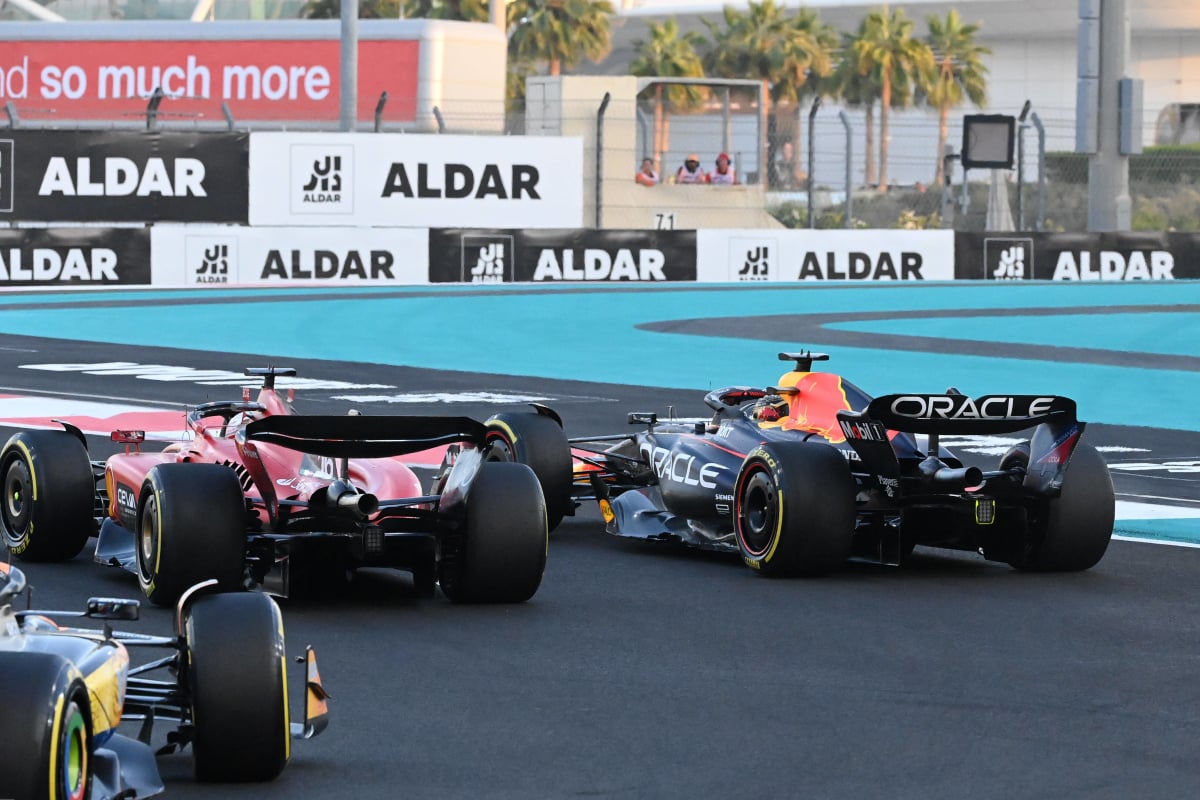
New F1 qualifying concerns emerge that could bring fa…read more
Fresh concerns have surfaced about the future of Formula 1 qualifying sessions under the incoming 2026 regulations, with early driver feedback suggesting that fans may not always see flat-out, maximum-attack laps. Comments from Haas driver Esteban Ocon following pre-season testing in Barcelona indicate that energy management — including lift-and-coast techniques — could become necessary even during qualifying runs.
The 2026 season will introduce sweeping rule changes across Formula 1, particularly in the area of power units. The new engine formula dramatically increases the role of electrical energy, with electric deployment expected to account for roughly half of the total power output. This marks a major shift from the current era and comes alongside the removal of the MGU-H system. In its place, upgraded energy recovery systems will allow significantly greater harvesting of energy per lap.
Because of this heavier reliance on electrical deployment, drivers will need to be far more strategic in how they use and recover energy throughout a lap. Traditionally, energy and fuel saving measures such as lift-and-coast — where drivers come off the throttle earlier before braking zones — have mainly been associated with race management. However, early simulations and test runs suggest that similar techniques may also be required in qualifying trim under certain conditions.
During Barcelona pre-season testing, Ocon completed qualifying-style runs and reported that managing battery energy was essential to achieving the best lap time. According to his remarks reported by European media, drivers may not be able to simply run at full throttle from start to finish without compromising energy deployment later in the lap.
Ocon explained that lifting off the throttle earlier before corners felt unusual at first during a qualifying attempt, but quickly became manageable with simulator preparation. After repeated practice, he said the method started to feel normal and even beneficial. Rather than being slower, he suggested that controlled lifting before braking zones could actually support better overall lap performance under the new energy model.
He noted that if a driver stayed fully on the throttle for too long, it could create difficulties at the end of straights due to energy deployment limits and braking demands. By lifting earlier, the car remains more balanced and energy harvesting improves, making the lap more efficient. While this approach differs from the traditional idea of a qualifying lap being driven entirely at the limit, Ocon emphasized that drivers adapt quickly when it proves to be the fastest method.
The French driver also reflected that this style contrasts with the instincts developed in karting and junior categories, where drivers are taught to keep the throttle pinned whenever possible. Even so, he stressed that the cars remain extremely fast and enjoyable to drive, despite the change in technique. He cautioned that the need for lift-and-coast in qualifying may vary depending on circuit layout, and that Barcelona’s characteristics may have made the effect more noticeable.
The broader 2026 power unit regulations are designed around sustainability and efficiency goals. The 1.6-litre turbo hybrid engines will continue, but with a near 50-50 split between combustion and electric power contribution. In addition, all cars will run on fully sustainable fuels, developed from sources such as captured carbon, municipal waste, and non-food biomass. These fuels were already introduced in junior categories and form a key part of Formula 1’s long-term environmental targets, including carbon neutrality by 2030.
Alongside the engine changes, new aerodynamic regulations will also reshape car design and performance characteristics. Together, these updates represent one of the biggest technical resets in the sport’s history.
If Ocon’s early observations prove representative across the grid, qualifying in 2026 may look and feel different from what fans are used to — with ultimate pace still present, but achieved through smarter energy management rather than pure flat-out driving.