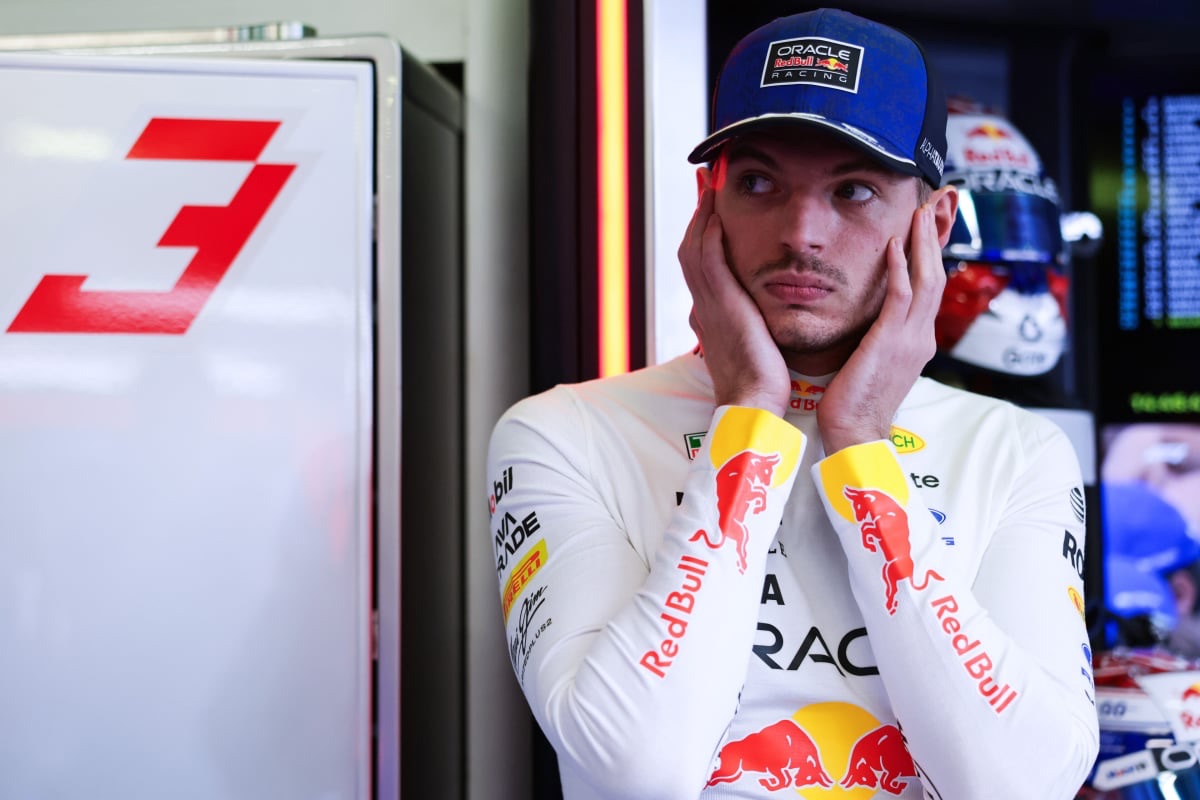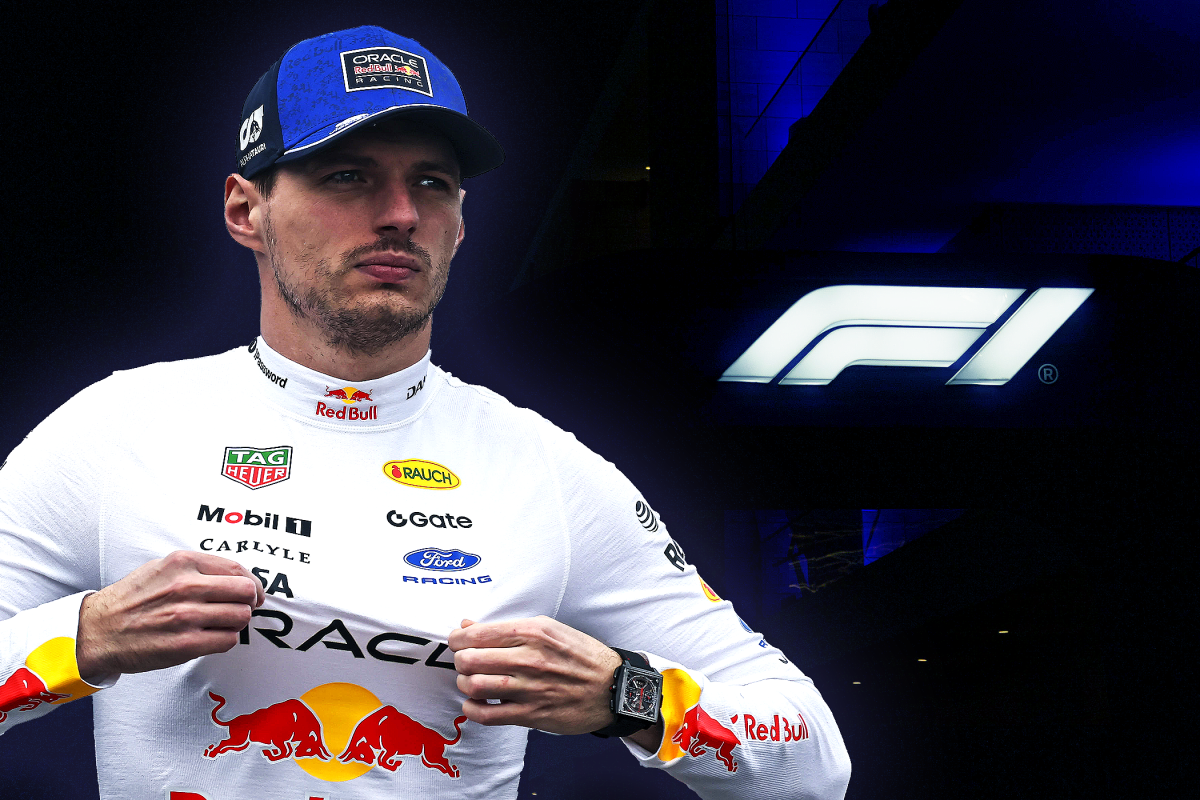
Four-time Formula 1 world champion Max Verstappen has come under criticism following his outspoken reaction to the sport’s new 2026 regulations, with former team boss Guenther Steiner accusing the Dutch driver of overreacting amid Red Bull’s difficult start to the season.
Verstappen, who has dominated Formula 1 in recent years, has endured an unusually challenging opening to the 2026 campaign. After two race weekends, the Red Bull driver has managed to collect just eight points — a stark contrast to the high standards he has set for himself. His struggles began at the Australian Grand Prix, where a crash during qualifying left him starting further down the grid. Despite a determined recovery drive, he could only finish in sixth place.
Things went from bad to worse at the Chinese Grand Prix. Verstappen found himself well outside the leading pack before his race ended prematurely due to a failure in the car’s Energy Recovery System (ERS). The double setback has exposed early weaknesses in Red Bull’s new RB22 car, particularly as the team adapts to the sweeping regulation changes introduced for 2026.
In the aftermath of these disappointing performances, Verstappen did not hold back. He publicly criticized the new rules, describing them as a “joke” and even comparing the racing experience to a video game. His remarks quickly sparked debate across the paddock, with some sympathizing with his frustrations while others questioned his reaction.
Steiner, known for his blunt and often candid opinions, suggested that Verstappen’s complaints may be more about Red Bull’s current struggles than the regulations themselves. According to Steiner, it is natural for a driver of Verstappen’s caliber to feel frustrated when the car is not competitive, but he emphasized that the responsibility lies with the team rather than the rulemakers.
He pointed out that Red Bull’s situation is particularly complex this season, as the team has introduced its own power unit for the first time. This marks a significant shift, requiring engineers to adapt to highly advanced and unfamiliar technology. Steiner noted that such transitions inevitably come with challenges, adding that it is actually impressive how quickly new engine manufacturers, including Red Bull and Audi, have managed to reach a competitive level.
Despite the rocky start, there is still reason for optimism within the Red Bull camp. The team experienced a similar scenario in 2025, where they initially lagged behind their rivals before mounting a remarkable comeback. During that season, Verstappen found himself more than 100 points behind in the championship standings at one stage. However, he fought back strongly, winning multiple races and finishing just two points short of securing another title.
That precedent offers hope that both Verstappen and Red Bull can recover once again. However, the competitive landscape appears even tougher this year. Teams like Mercedes-AMG Petronas Formula One Team and Scuderia Ferrari have emerged as early frontrunners, setting a high benchmark for performance. Meanwhile, Red Bull currently finds itself battling closer to the midfield, alongside rivals such as McLaren F1 Team and Alpine F1 Team.
Another concern is reliability. The failure of the ERS system in China highlighted potential weaknesses in Red Bull’s new power unit, an area that will require urgent attention if the team hopes to return to the front of the grid. Alongside reliability improvements, significant upgrades to the RB22 will be necessary in the coming races.
Ultimately, while Verstappen’s frustration is understandable given his competitive nature, the coming weeks will be crucial in determining whether Red Bull can overcome its early-season setbacks. If history is any indication, counting out Verstappen at this stage would be a mistake — but the road back to the top looks more challenging than ever.