Painful Oscar Piastri Penalty Judged as Max Verstappen ‘L…read more
The 2025 São Paulo Grand Prix at Interlagos will be remembered not just for the podium celebrations but for the controversy surrounding Oscar Piastri’s penalty — one that many fans and pundits believe was both harsh and decisive in the championship battle. As McLaren reeled from the blow, talk quickly shifted to Max Verstappen’s remarkable recovery drive, with observers asking whether “luck” played its part in yet another Red Bull masterclass.
A Costly Moment for Piastri
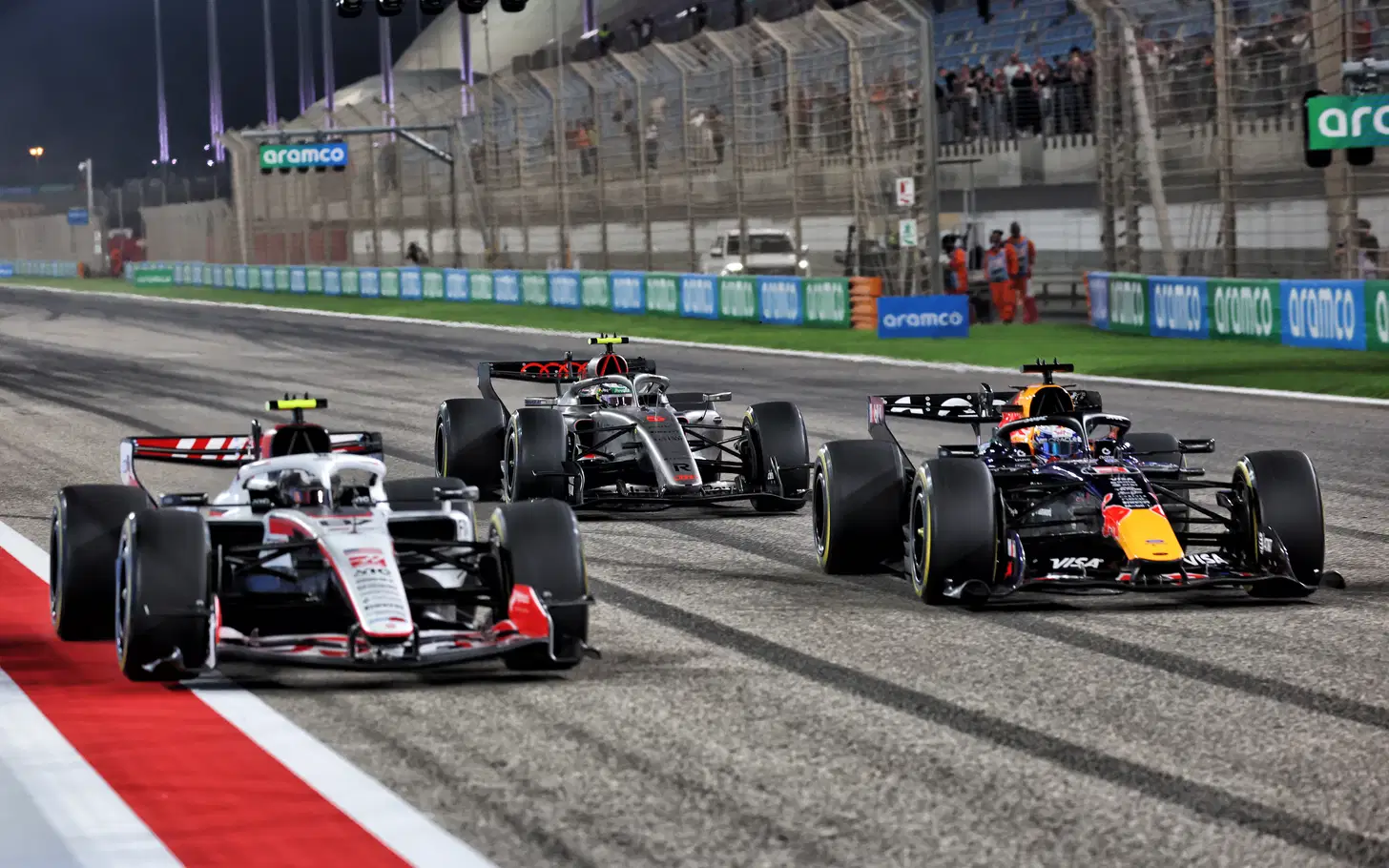
Oscar Piastri’s weekend started brightly. The Australian qualified strongly and appeared ready to challenge the front-runners. However, his race unravelled on Lap 6 after a Safety Car restart when he attempted a daring move into Turn 1. Piastri went down the inside of Mercedes junior Kimi Antonelli, with Ferrari’s Charles Leclerc positioned on the outside. In the melee, Antonelli locked up, and Leclerc was forced wide, making slight contact.
The stewards reviewed the incident and judged Piastri “predominantly at fault,” handing him a 10-second time penalty and two penalty points on his Super Licence. It was a decision that many within the paddock described as “painful” — not only because it effectively ended his podium hopes, but because it struck a heavy blow to his championship ambitions.
Speaking after the race, Piastri defended his actions, insisting he had little room to manoeuvre. “I had a clear gap to go for,” he explained. “The others braked later than expected — there was nowhere else for me to go. I can’t just disappear.”
McLaren team principal Andrea Stella echoed his driver’s frustration, arguing that the penalty was overly severe. “It was a typical first-lap style racing incident,” Stella said. “Antonelli moved slightly under braking, and Oscar had already committed. I believe responsibility was shared.”
The Harsh Reality of Timing
While penalties are part of racing, this one came at a crucial point in Piastri’s season. Entering São Paulo, he was seen as one of the few drivers still capable of challenging Verstappen for the title. The 10-second time loss, however, dropped him deep into the midfield, forcing him to settle for a handful of points instead of a potential podium finish.
Analysts noted that such moments can define championship outcomes. One commentator suggested that, “short of backing out entirely, Piastri had done all a driver could do in that scenario. The decision may have been technically correct, but the consequences were devastating.”
Verstappen’s Fortunate Comeback
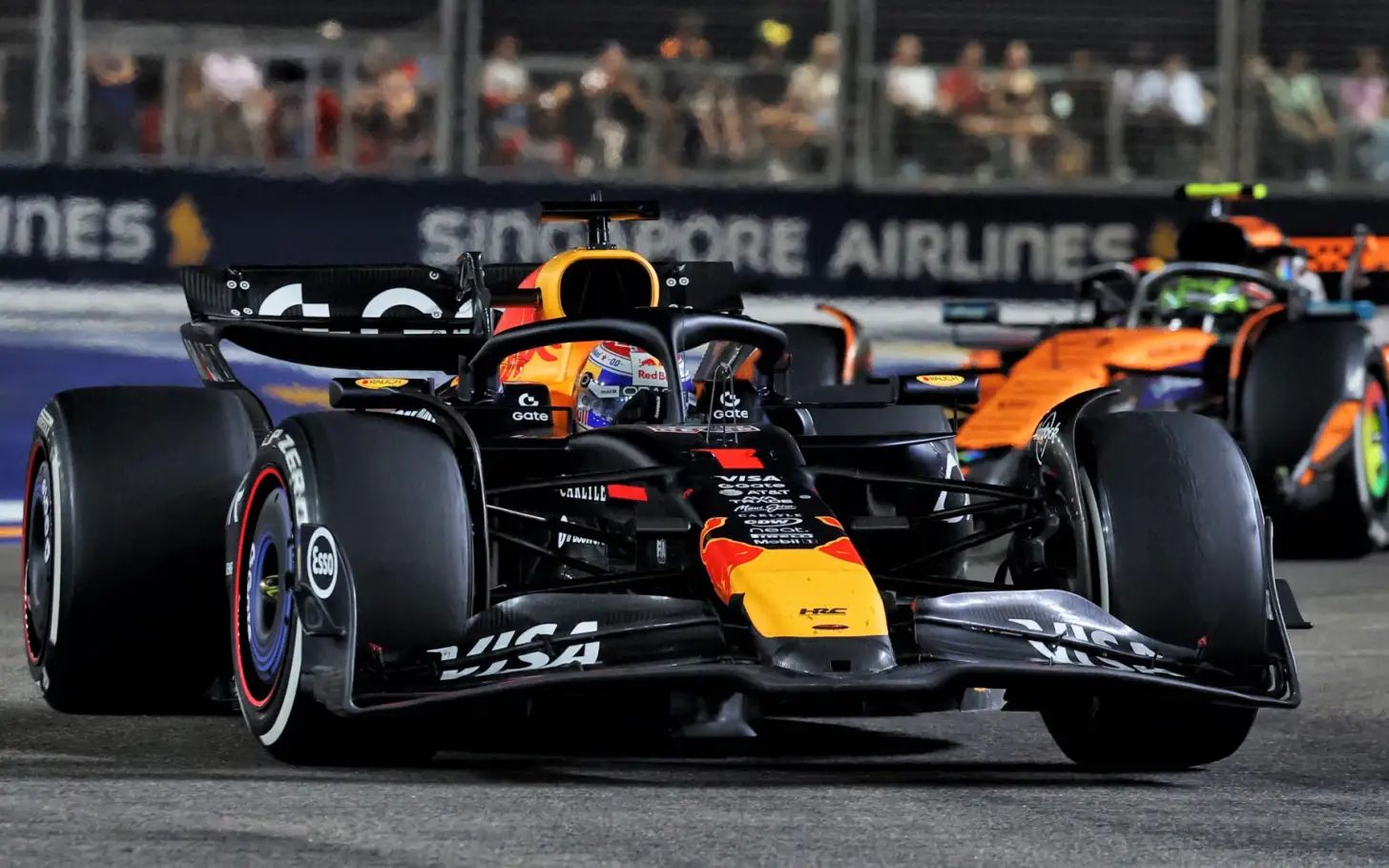
While McLaren were licking their wounds, Red Bull’s Max Verstappen was mounting a stunning comeback drive that reignited his championship hopes. Starting from the back after a difficult qualifying session, the Dutchman charged through the field, benefitting from perfect timing on pit stops and a new power unit that thrived in São Paulo’s thin air.
Verstappen’s recovery to the podium drew widespread admiration, but it also reignited discussions about his “luck.” Critics pointed out that several race circumstances — including well-timed Safety Car periods and rivals’ misfortunes — had played into his hands.
Nevertheless, Verstappen’s execution was flawless. “Yes, certain elements worked in his favour,” one analysis noted, “but that doesn’t diminish the brilliance of how he capitalised on every opportunity.”
Questions of Fairness
The debate over Piastri’s penalty was further inflamed by comparisons to previous stewarding decisions. Earlier in the season, Verstappen himself had questioned what he called “strange” inconsistencies after Piastri received a similar 10-second penalty at Silverstone for a Safety Car infraction, while other drivers escaped punishment for comparable incidents.
This perceived inconsistency has led some within the F1 community to question whether Piastri is being judged more harshly than others. Though the FIA has maintained that every case is reviewed on its own merits, the Brazilian Grand Prix incident has renewed calls for greater transparency in how penalties are determined.
The Bigger Championship Picture
For Piastri, the São Paulo setback could prove costly. He now faces an uphill task to keep pace with his teammate Lando Norris and the resurgent Verstappen. McLaren’s pace remains competitive, but momentum is everything in Formula 1 — and this penalty has the potential to derail what was shaping up to be a breakout season.
For Verstappen and Red Bull, the weekend symbolised resilience. Despite early struggles and whispers of a fading title campaign, their strategic brilliance and Verstappen’s relentless pace turned a troubled start into another impressive podium. Whether aided by good fortune or pure racecraft, the reigning champion once again proved that consistency and composure are his greatest weapons.
A Lesson in F1’s Fine Margins
Ultimately, the São Paulo weekend offered a reminder of Formula 1’s brutal fine margins — where milliseconds, decisions, and even luck can alter destinies. Piastri’s penalty highlighted how quickly fortunes can shift, while Verstappen’s drive underlined the value of seizing every chance that comes.
As the season moves into its final stretch, the Australian must regroup and channel his frustration into a strong finish, while Verstappen’s rivals will be hoping that his “luck” eventually runs out. One thing is certain — the debate over Piastri’s penalty and Verstappen’s fortune will continue to echo through the paddock for weeks to come.