Ralf Schumacher Criticises Christian Horner Over Red Bull Turmoil
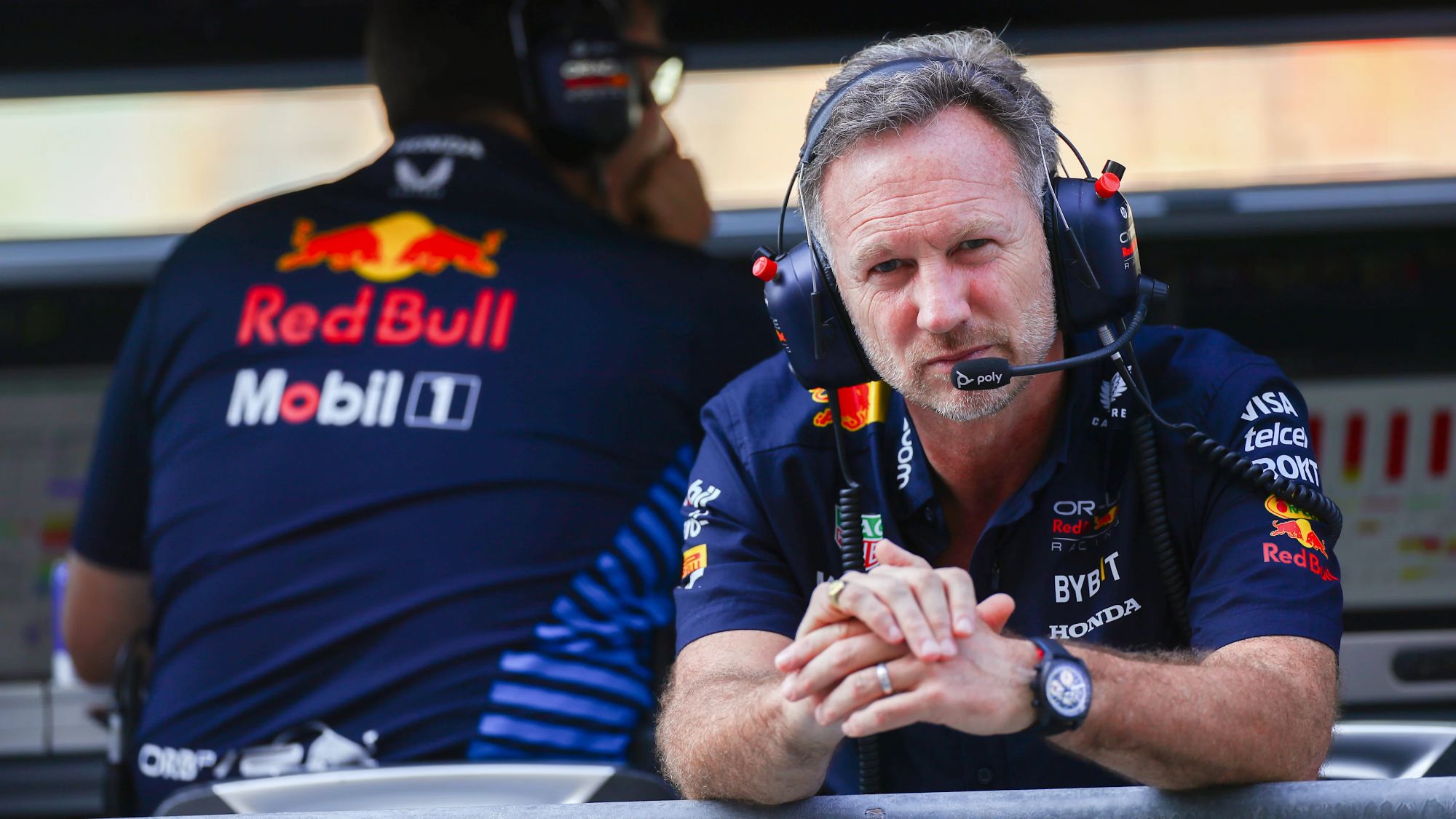
Former Formula 1 driver and current TV analyst Ralf Schumacher has launched a scathing assessment of Christian Horner’s final years in charge at Red Bull Racing, claiming the long-serving team principal was responsible for destabilising the organisation and dragging it toward decline.
Horner, who led Red Bull from its debut season in 2005 until his dismissal in early 2025, oversaw one of the most successful periods in modern Formula 1. However, his final seasons at the helm were marked by internal conflict, political tension, and a sharp drop in performance. By the time he was removed from his role, Red Bull had slipped to fourth place in the constructors’ championship, a far cry from its recent dominance.
Following Horner’s exit, Laurent Mekies was appointed as his successor. Under the Frenchman’s leadership, the atmosphere within the team reportedly improved significantly, and Red Bull began to rediscover some stability. Max Verstappen, in particular, enjoyed a resurgence in form during the second half of the 2025 season, allowing him to re-enter the drivers’ championship fight.
Despite that progress, turmoil within Red Bull continued after the season ended. Long-time motorsport advisor Helmut Marko confirmed his departure from the team and soon after delivered a highly critical interview detailing his strained relationship with Horner and the power struggles that unfolded behind the scenes in recent years.
Now, Schumacher has added his voice to the debate, offering a blunt verdict on Horner’s leadership. Speaking on the Backstage Boxengasse podcast, the former Williams and Toyota driver did not hold back.
“Horner essentially ripped the team apart,” Schumacher said. “Red Bull gradually fought its way toward mediocrity. For a certain period, nothing worked anymore.”
Schumacher argued that the internal chaos under Horner’s command directly contributed to the team’s competitive decline. Red Bull finished third in the constructors’ championship during one of Horner’s final seasons before dropping further down the order midway through 2025, results that Schumacher believes reflected deeper organisational issues.
The German pundit also weighed in on Marko’s controversial post-exit comments, acknowledging that while the Austrian’s public remarks may not have been diplomatically delivered, they were not without merit.
“What Helmut said wasn’t particularly elegant,” Schumacher admitted. “But he’s right.”
Schumacher expressed sympathy for Marko, noting that the veteran advisor had seen his influence reduced in recent years. “Helmut lost some of his position because he was no longer needed in the same way,” he said. “That’s unfortunate, because he’s valued for being direct and honest. Still, he’s landing on a soft surface.”
Marko’s explosive interview with De Telegraaf shed light on the internal power struggle that intensified following the death of Red Bull founder Dietrich Mateschitz in 2022. According to Marko, Horner’s behaviour changed significantly after Mateschitz’s passing, triggering a battle over control of the team.
Marko explained that Red Bull Racing had been founded in 2005 under the guidance of Mateschitz, with Horner appointed as team principal and Marko acting as a senior overseer. Decision-making power, he claimed, had traditionally remained in Austria.
Recalling a moment from 2022, Marko alleged that Horner privately suggested Mateschitz would not survive the year. After the founder’s death, Marko accused Horner of aligning himself with Chalerm Yoovidhya, co-owner of Red Bull GmbH, in an attempt to consolidate power.
According to Marko, he actively worked to block this takeover attempt, describing his actions as being carried out “on behalf of Austria.” He further claimed that Horner repeatedly misrepresented facts and that these alleged falsehoods eventually caused Yoovidhya to reconsider his support.
Marko also accused Horner’s camp of engaging in “dirty tricks,” including attributing fabricated statements to him in order to undermine his position. Among those claims were remarks he insists he never made regarding Sergio Perez, engine development delays, and Ford’s involvement as a future partner.
One such episode nearly resulted in Marko’s suspension, he said, until Max Verstappen intervened on his behalf during the Saudi Arabian Grand Prix weekend.
Together, the comments from Schumacher and Marko paint a picture of a team consumed by internal politics during Horner’s final years. While Red Bull appears to be moving toward a calmer era under new leadership, the fallout from its recent past continues to dominate headlines.
As Formula 1 heads into a new regulatory cycle, Red Bull’s ability to fully leave this chapter behind may prove just as important as its performance on track.