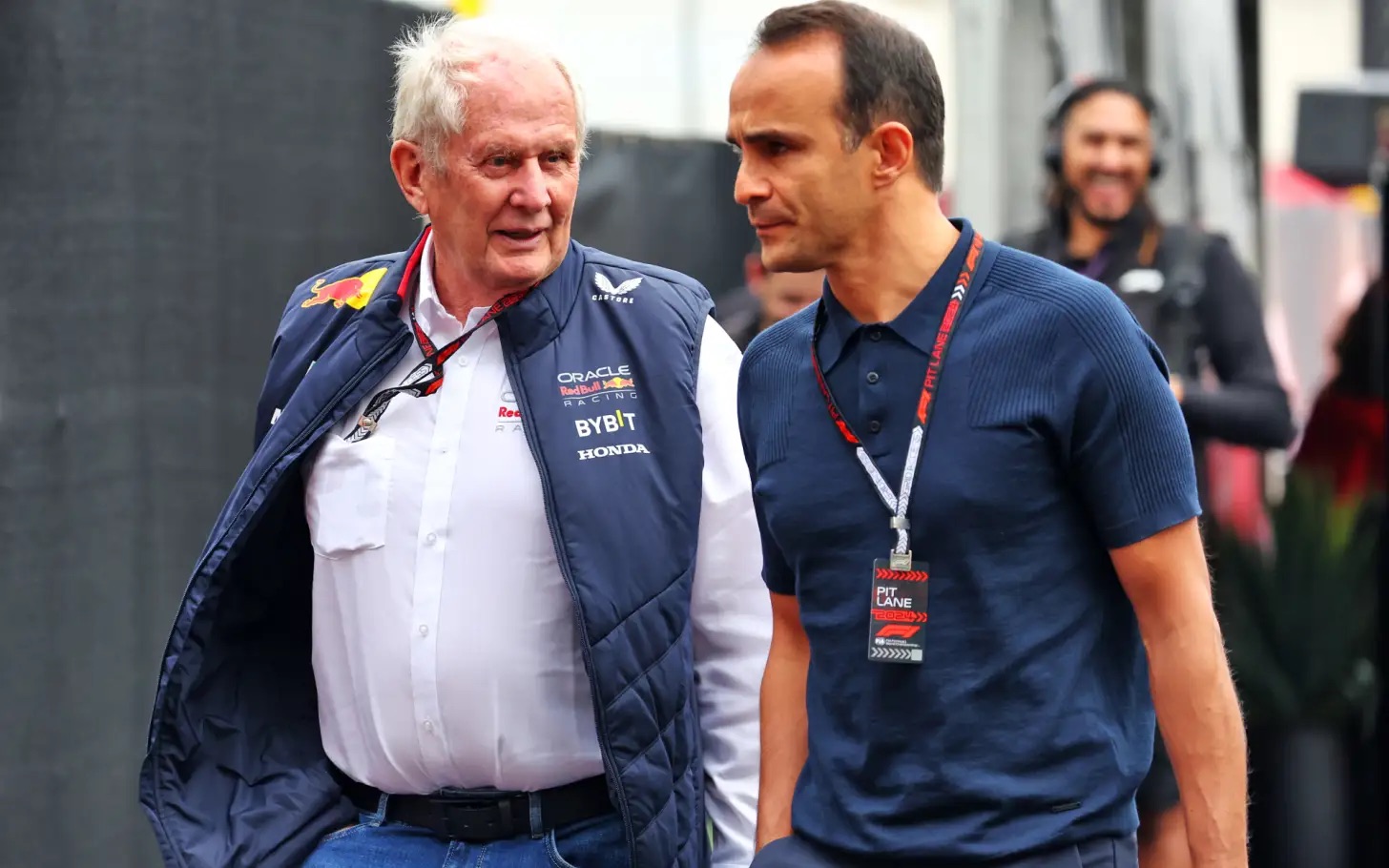
Real Motivation Behind Helmut Marko’s Red Bull Exit Revealed
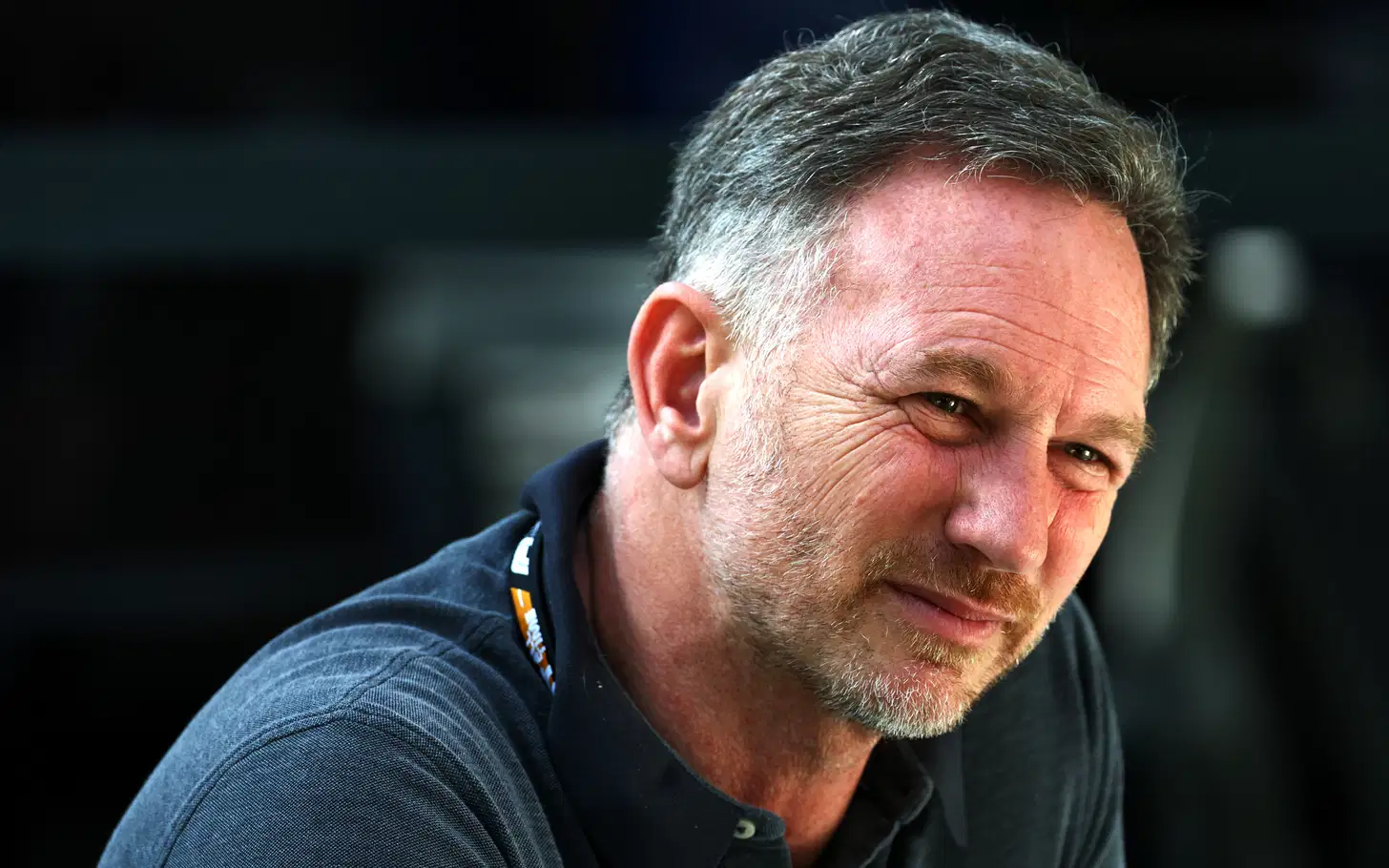
The true circumstances surrounding Helmut Marko’s departure from Red Bull Racing have begun to emerge, following comments from former Formula 1 driver Ralf Schumacher that shed new light on the Austrian’s decision to step away from the team.
Marko officially retired from his long-standing role as Red Bull’s motorsport advisor after the conclusion of the 2025 Formula 1 season, bringing an end to a remarkable 20-year tenure. During that time, he played a central role in shaping Red Bull’s driver development programme, helping guide some of the sport’s most successful talents into championship-winning careers — most notably Sebastian Vettel and Max Verstappen, both of whom went on to secure four world titles each.
His departure came at a pivotal moment for the team. Verstappen narrowly missed out on a historic fifth consecutive drivers’ championship in 2025, losing the title by just two points in a dramatic season finale. While speculation quickly followed Marko’s exit, Schumacher believes the decision was carefully considered rather than reactionary.
Speaking to Sport1, Schumacher suggested that Marko recognised the natural end of his influence, particularly in relation to Verstappen. According to the former Williams and Toyota driver, Marko may have felt his guidance was no longer essential now that Verstappen had fully matured into a self-sufficient, generational talent capable of extracting maximum performance from any car.
“Everything in life has its moment,” Schumacher explained. “Dr. Marko deliberately chose this point to step away, and that deserves enormous respect. He still had a contract, despite what certain German tabloids claimed. Those reports were simply incorrect.”
Schumacher dismissed rumours that Marko was forced out or pushed aside, stressing that the veteran advisor could have continued had he wished. Instead, Schumacher believes Marko reflected on the missed championship opportunity and his own role within the team.
“He saw that the title was narrowly lost, and maybe he wasn’t fully satisfied with himself,” Schumacher added. “At the same time, he saw what Max has become. Max no longer needed that kind of support. The role Marko played at his side simply wasn’t required anymore.”
Age and workload also appeared to be a significant factor. At over 80 years old, Marko had continued to travel extensively across the globe, maintaining a relentless schedule that few in the paddock could match.
“Flying around the world constantly at that age is no small task,” Schumacher noted.
Another key element behind Marko’s decision was Red Bull’s evolving management structure. Marko had always been a proponent of direct, decisive leadership, something he shared with the team’s late founder, Dietrich Mateschitz. However, Schumacher hinted that the internal dynamics had changed considerably.
“Marko always said he and Mateschitz led the team quickly and efficiently,” he said. “But when decisions are suddenly made in meetings with eight people around the table, it becomes a very different environment.”
Marko himself has since opened up about how his exit unfolded, particularly regarding how he informed Verstappen. Speaking to Dutch outlet De Telegraaf, the Austrian revealed that he was unable to deliver the news in person, something that clearly disappointed him.
“I also had to inform Max of my decision over the phone,” Marko explained. “Because we were still fully fighting for the championship, I waited. I didn’t want to distract him or create unnecessary pressure.”
Marko had planned to speak to Verstappen face to face during a dinner in Dubai following the season. However, logistical issues forced the Red Bull driver to cancel his attendance, leaving Marko with no option but to make the call once he returned home.
“It was melancholic,” Marko admitted. “We told each other that we never would have dared to dream of what we achieved together.”
The bond between Marko and Verstappen has long been regarded as one of the closest relationships between a driver and senior figure in modern Formula 1. Marko was instrumental in fast-tracking Verstappen into Red Bull at just 18 years old, a decision that transformed the sport’s landscape.
“Of all the drivers I’ve worked with, I’ve built the closest connection with Max,” Marko said. “We don’t need many words. Just a few are enough to understand each other.”
Reflecting on that final conversation, Marko confirmed it was deeply emotional for both men, marking the end of an era that helped define Red Bull’s dominance in Formula 1.
“It was an emotional phone call, yes,” he concluded.