Red Bull and Aston Martin Endure Reliability Woes During Bahrain F1 Test
Both Red Bull Racing and Aston Martin Aramco Formula One Team ran into significant reliability setbacks on the opening morning of Formula 1’s second pre-season test in Bahrain, disrupting their preparations ahead of the 2026 campaign.
The session, held at the Bahrain International Circuit, was expected to provide teams with crucial long-run data and performance insights. However, for both Red Bull and Aston Martin, the morning quickly turned into a troubleshooting exercise rather than a productive testing outing.
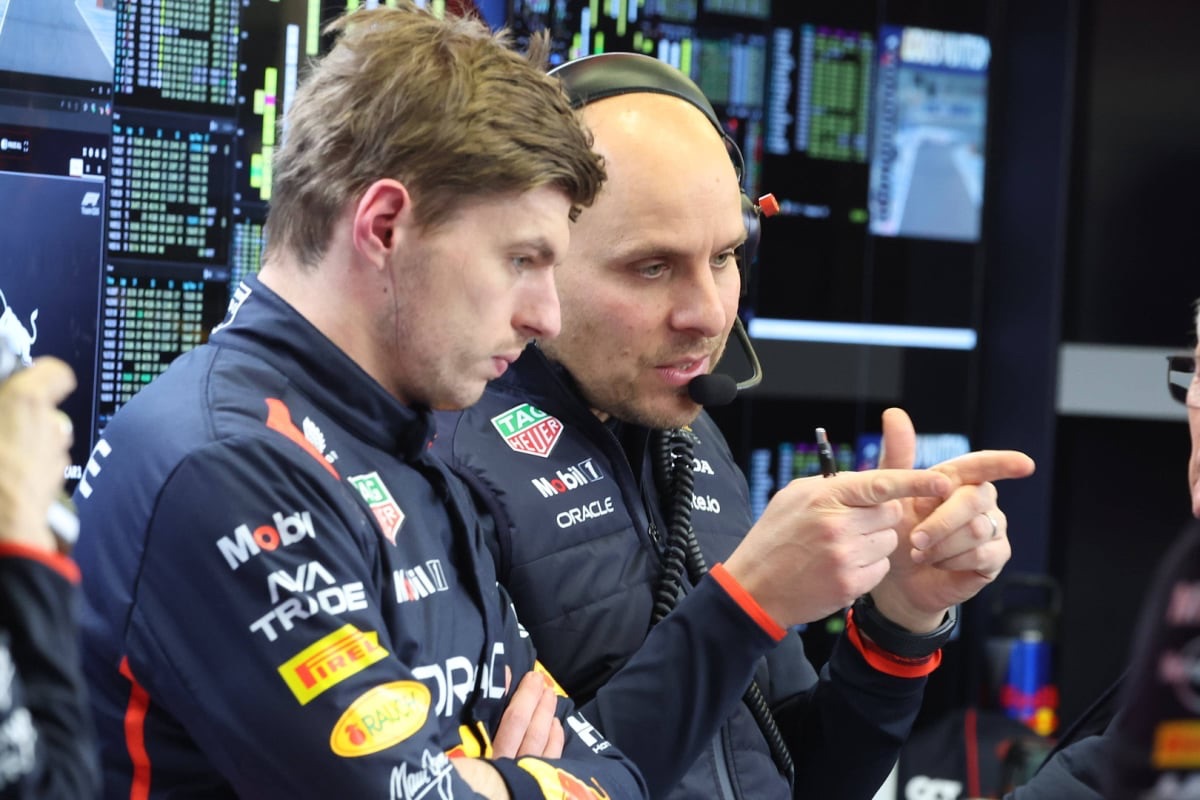
Red Bull’s troubles centered around Isack Hadjar, who was behind the wheel of the team’s 2026 challenger, the RB22. The young French driver’s running was severely limited after a water leak was detected in the Red Bull Powertrains engine. The issue curtailed his track time to just 13 laps during the early stages of the session, significantly hampering the team’s program.
Engineers were seen working extensively in the garage as they attempted to diagnose and rectify the cooling system problem. With pre-season testing limited to just a handful of days, every lap is vital for gathering aerodynamic, mechanical, and power unit data. Losing valuable morning track time represents a setback, particularly for a team looking to fine-tune its package under the sweeping new 2026 regulations.
The water leak is understood to be connected to the power unit’s internal cooling systems, though the team has not yet provided detailed confirmation of the root cause. Red Bull Powertrains, which has taken on greater responsibility in the new engine era, will be keen to ensure that such reliability concerns are resolved swiftly before the season-opening race.
While Red Bull scrambled to get Hadjar back on track, Aston Martin faced its own engine-related concerns. Two-time world champion Fernando Alonso was limited to just 28 laps in the first three hours of the morning session after his car developed a power unit issue.
The exact nature of Alonso’s problem was not immediately disclosed, but broadcast footage showed a borescope being brought into the Aston Martin garage. This tool is commonly used to inspect internal engine components without fully dismantling the power unit, suggesting that the team was investigating a potentially serious internal issue with its Honda-supplied engine.
For Aston Martin, the interruption comes at a particularly sensitive time. The team is aiming to build momentum under the new technical framework and solidify its position among the frontrunners. Limited track running restricts the ability to evaluate aerodynamic upgrades, suspension settings, and energy management systems — all crucial elements under the 2026 power unit regulations.
Alonso, known for his meticulous feedback and development skills, would have been eager to maximize his time on track to provide engineers with detailed insights. Instead, much of his morning was spent in the garage as mechanics and engineers worked to identify and address the issue.
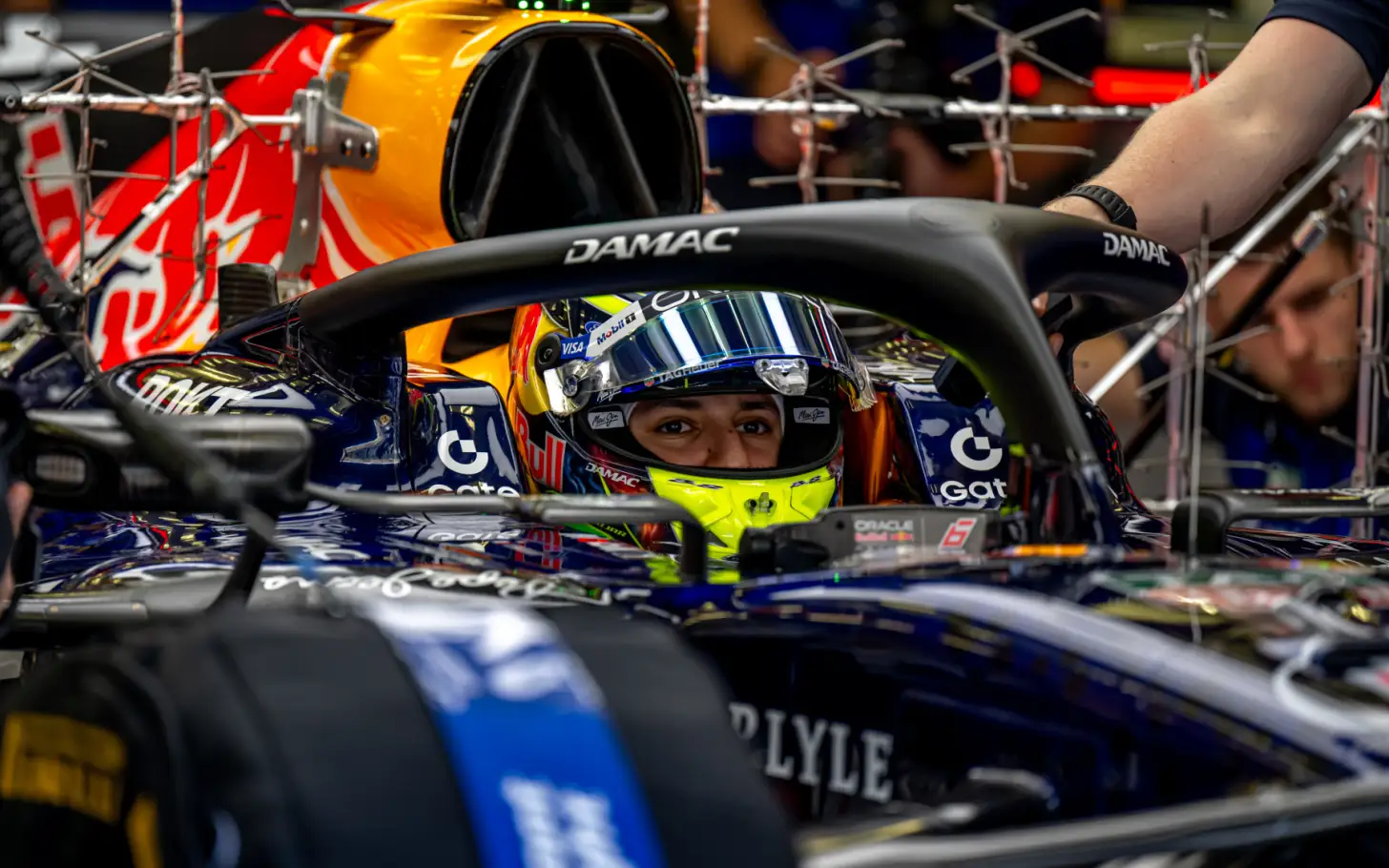
Elsewhere in the paddock, Cadillac also experienced difficulties. Sergio Perez, driving for the American outfit, endured a frustrating start to the session. He completed just two laps over a span of more than two hours due to technical complications.
However, Perez’s situation gradually improved as the session progressed. By the third hour, he was able to return to the circuit and begin logging more consistent lap times. Although he managed to build up his mileage, he remained significantly off the ultimate pace — trailing the benchmark time set by Charles Leclerc by 7.153 seconds.
Leclerc’s performance at the top of the timesheets underlined a more stable morning for Ferrari compared to some of its rivals. While lap times in testing must always be viewed with caution due to varying fuel loads and run plans, the contrast in track time between Ferrari and teams like Red Bull and Aston Martin was notable.
Pre-season testing is as much about reliability as outright speed. Teams use these sessions to uncover weaknesses before the competitive pressure of race weekends begins. Although early reliability issues are not uncommon, the scale and timing of the problems faced by Red Bull and Aston Martin will raise questions about their readiness for the opening round.
With limited time remaining in Bahrain, both teams will be hoping for smoother running in the upcoming sessions. Every lap lost now increases the pressure to recover data later, making the remaining hours of testing all the more critical as Formula 1’s new era rapidly approaches.