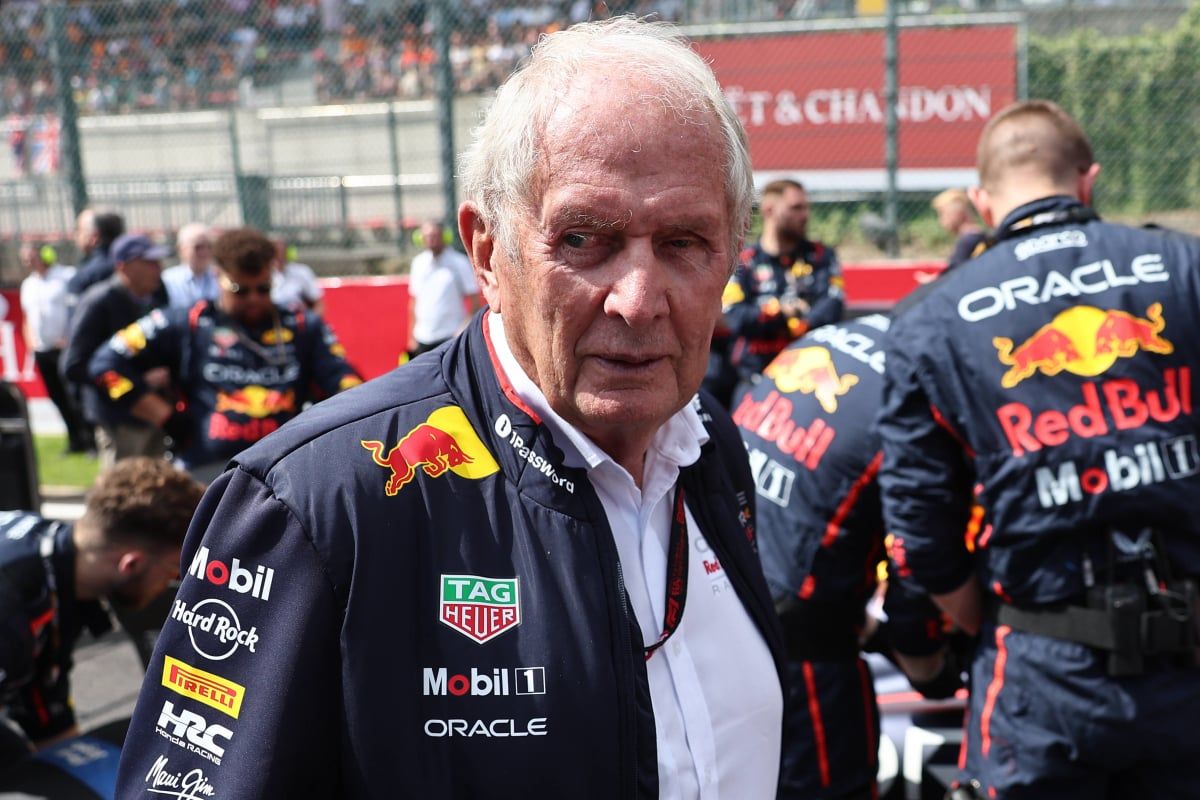
Red Bull Chief Helmut Marko Criticizes ‘Weak Attitude’ Among New Generation of F1 Hopefuls
Red Bull’s long-standing motorsport advisor, Helmut Marko, has delivered a scathing assessment of the mindset and work ethic of several young drivers emerging from the brand’s famed junior academy. Known for his sharp eye for talent and equally sharp criticism, the 82-year-old Austrian did not hold back as he discussed the growing challenges of preparing today’s young racers for the pressures of Formula 1.
Since Red Bull entered Formula 1 in 2005, Marko has overseen one of the most successful driver development programmes in motorsport history. The academy produced stars such as Sebastian Vettel, Max Verstappen, Daniel Ricciardo, and many more. But alongside its successes, the programme has also been criticized for its ruthlessness, with numerous drivers dropped after failing to meet Red Bull’s extremely high expectations.
In a recent episode of F1’s Beyond the Grid podcast, Marko reflected on his years managing young talent, admitting that while he has made a few misjudgments along the way, many of the academy’s failures were due to issues that went far beyond driving ability. According to him, natural talent is rarely the problem—instead, the stumbling block is often mentality, discipline, and the ability to survive the relentless pressure that comes with reaching motorsport’s highest level.
Marko Admits Some Misjudgements — But Stands Firm on His Methods
During the podcast, host Tom Clarkson asked the Red Bull boss whether he had ever been wrong about a driver. Marko responded with his characteristically blunt honesty:
“Yes.”
However, when questioned further on whether there were any drivers he might have unfairly dropped too soon, Marko pushed back strongly. In his words, none of his dismissals were premature. Instead, he revealed that the real issue often came from overestimating some drivers’ long-term potential.
According to Marko, many drivers displayed brilliance in junior formulas like Formula 3 or Formula 2 but struggled to transition into the hyper-competitive, high-stress environment of Formula 1. He explained that mental toughness—not raw skill—is the real determining factor at the top level.
“A lot of drivers where I thought they could do great, they didn’t in the end,” he said.
“Most of them had the talent, but they weren’t serious enough or didn’t have the mental strength that’s absolutely essential.”
Marko Says Many Young Drivers Expect F1 to Be ‘Easy’
In one of his most striking comments, Marko criticised what he sees as an entitled attitude among some modern drivers. He claimed that many believe progressing from F2 to F1 is the moment where life becomes glamorous and effortless.
“They think once they go from Formula 2 to Formula 1 someone will carry their helmet, and everything becomes nice,” Marko said.
“But in reality, it’s the opposite. The pressure only gets higher, and you must deliver on every lap, every weekend.”
Marko argued that the sudden increase in scrutiny, tight performance expectations, and off-track responsibilities catches many young racers off guard. According to him, only a handful rise to the challenge, while others crumble under the weight of expectations.
Arvid Lindblad: The Latest Talent Under the Spotlight
One of the newest names attracting attention is rising star Arvid Lindblad, an F2 driver with strong performances this season. With two rounds left in the championship and no available seat for him to remain in Formula 2 next year, speculation has grown regarding whether Red Bull could promote him to Formula 1—either through the junior team Racing Bulls or, if things shift unexpectedly, even the senior Red Bull lineup.
Despite the hype around Lindblad, Marko’s comments serve as a stark reminder that success in the feeder series does not automatically translate to F1 readiness. While many see Lindblad as a future star, Marko’s latest remarks highlight the high psychological demands that come with a Red Bull-backed F1 opportunity.
A Culture of Pressure — Red Bull’s Driver Programme in the Spotlight
Red Bull’s academy has long been known for its “sink or swim” philosophy. While harsh to some, it has undeniably produced champions. Marko insists that this culture is necessary because Formula 1 rewards only those who can withstand unrelenting pressure.
He emphasised that F1 is not a place for complacency or fragility:
“In this pressure, not many could stand.”
For Marko, the issue is not the system—but the mindset of some upcoming drivers.