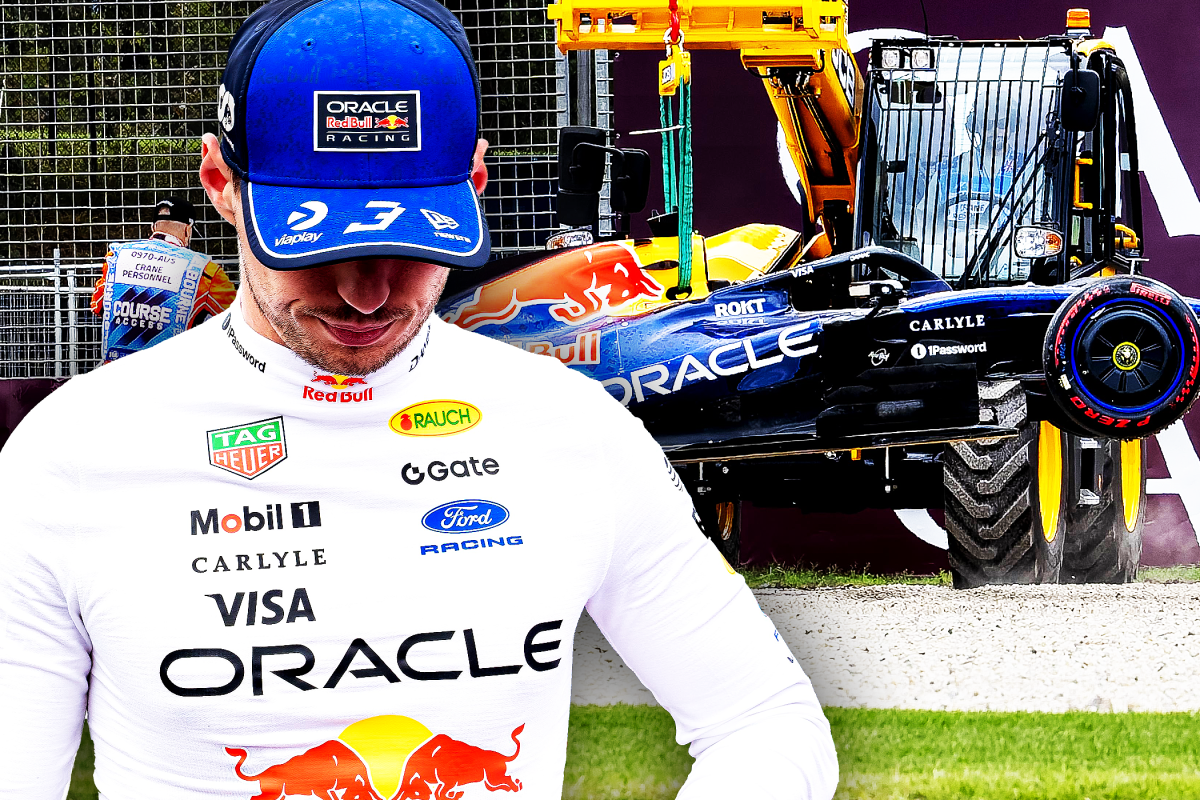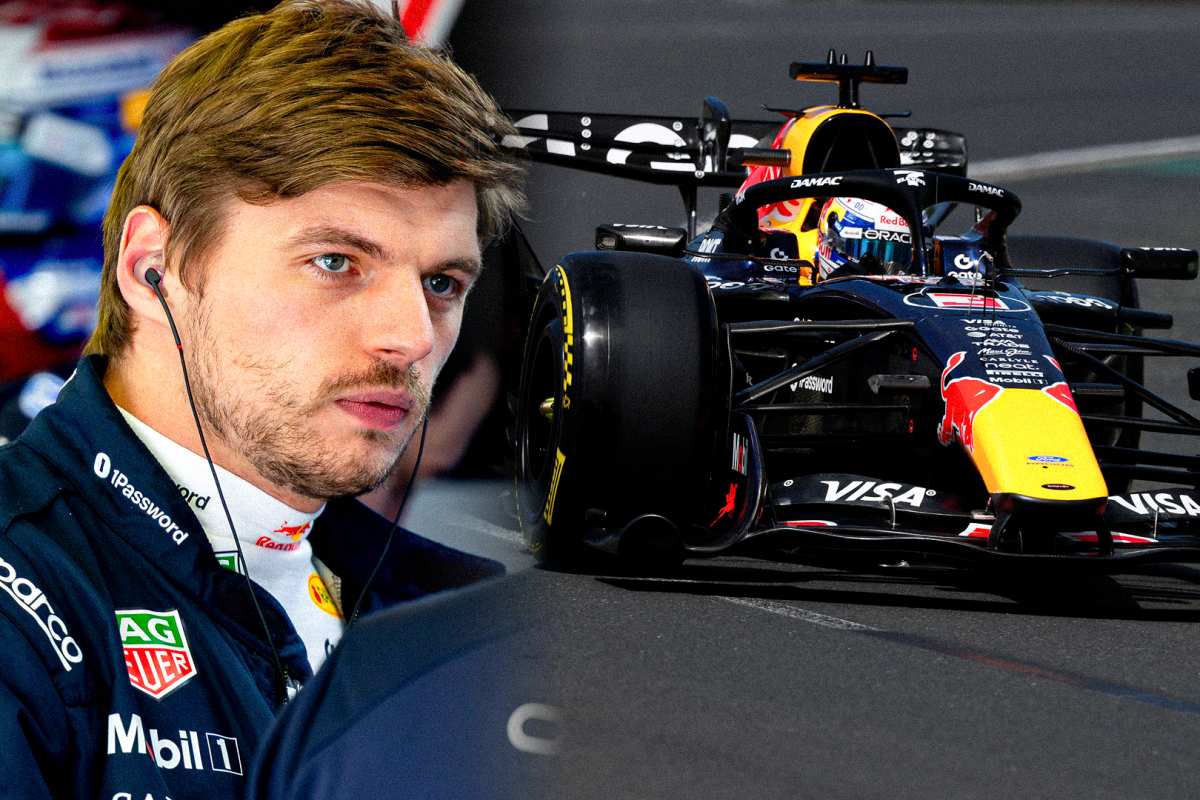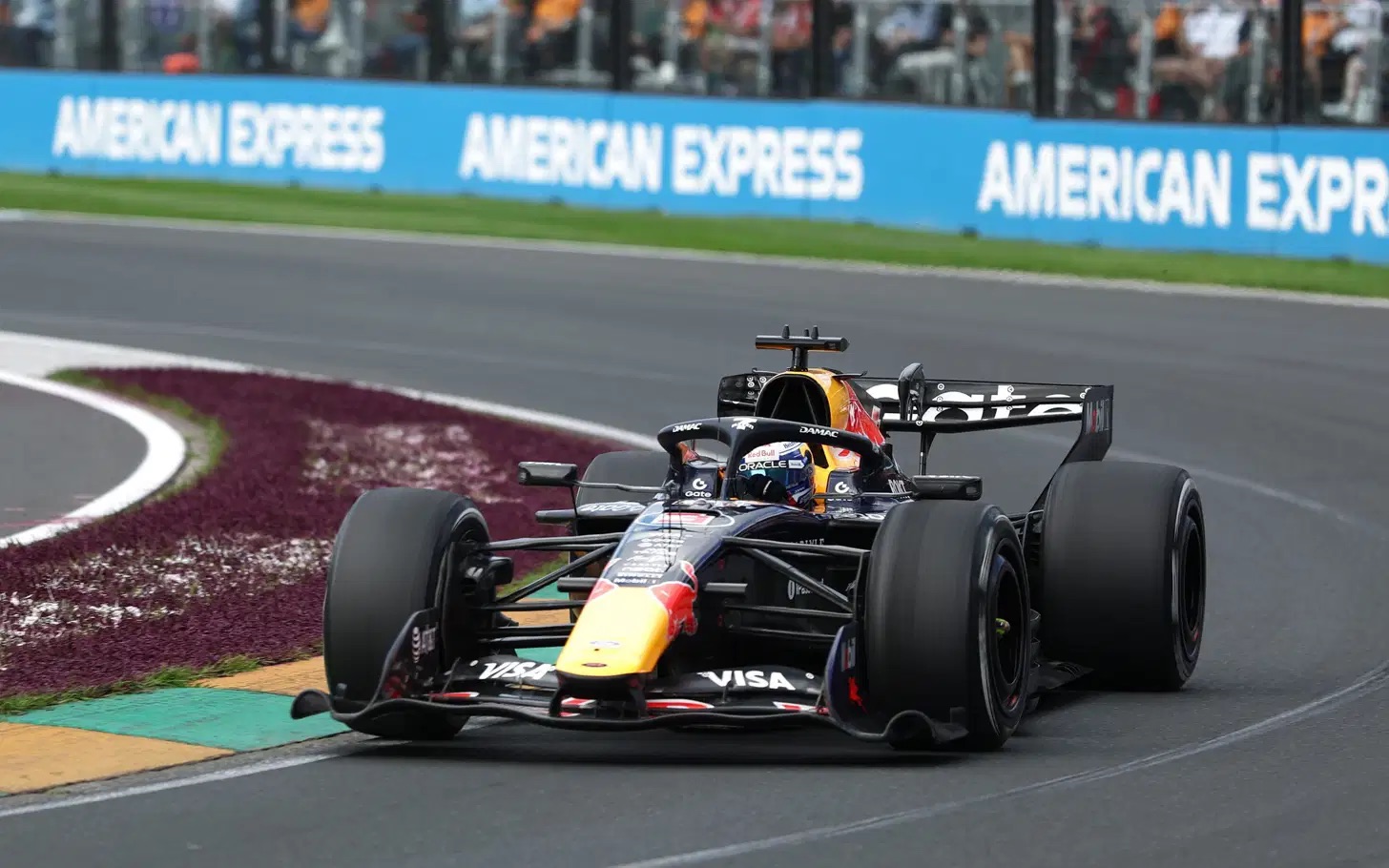
Red Bull Racing recently revealed the reason behind a major mistake that affected both Max Verstappen and Isack Hadjar at the start of the 2026 Formula 1 Australian Grand Prix. The team admitted that both drivers began the race with their cars’ batteries essentially empty, leaving them unable to deploy electrical energy at a crucial moment in the opening lap. This unexpected limitation had an immediate impact on their competitiveness during the start of the race and forced them to recover as the race progressed.
The issue was explained by Laurent Mekies, who detailed how the problem occurred and why it was ultimately the team’s responsibility. In modern Formula 1, energy management plays a crucial role because the hybrid power units rely heavily on harvesting and deploying electrical energy to maximize performance. Drivers use this stored energy to gain additional power, particularly during overtaking or defensive situations. When the energy storage system is not properly charged, the car loses an important performance advantage.
According to Mekies, the situation arose due to the way the team handled energy management during the formation lap before the race officially began. The formation lap is a preparation lap where drivers warm up their tires, brakes, and other critical components before taking their grid positions for the race start. During this process, drivers repeatedly accelerate and brake to bring the car’s systems up to optimal operating temperature. While this procedure is routine in Formula 1, it can have unintended consequences for the car’s battery management.
In the case of Red Bull, the drivers’ actions on the formation lap consumed more electrical energy than expected. As a result, by the time the race started, both Verstappen and Hadjar had insufficient battery charge available. Mekies acknowledged that this outcome was far from ideal and even joked about the unusual situation. However, he emphasized that the responsibility ultimately lay with the team, as it should have been avoided through better preparation and energy management strategies.
The introduction of new power unit systems for the current Formula 1 season has placed even greater importance on how teams manage energy harvesting and deployment. Drivers must carefully balance the process of generating electrical energy through braking and other systems with the need to deploy that energy for performance. Any miscalculation can leave a driver without the additional power boost typically used at the race start or during overtaking attempts.
Because of this oversight, both Red Bull drivers started the race without the electrical assistance normally available from the battery system. This meant they were unable to maximize their acceleration and top speed during the opening moments of the race, putting them at an immediate disadvantage against competitors who had properly charged energy stores. In Formula 1, where fractions of a second often determine positions, such a limitation can significantly affect a driver’s ability to maintain or gain track position.
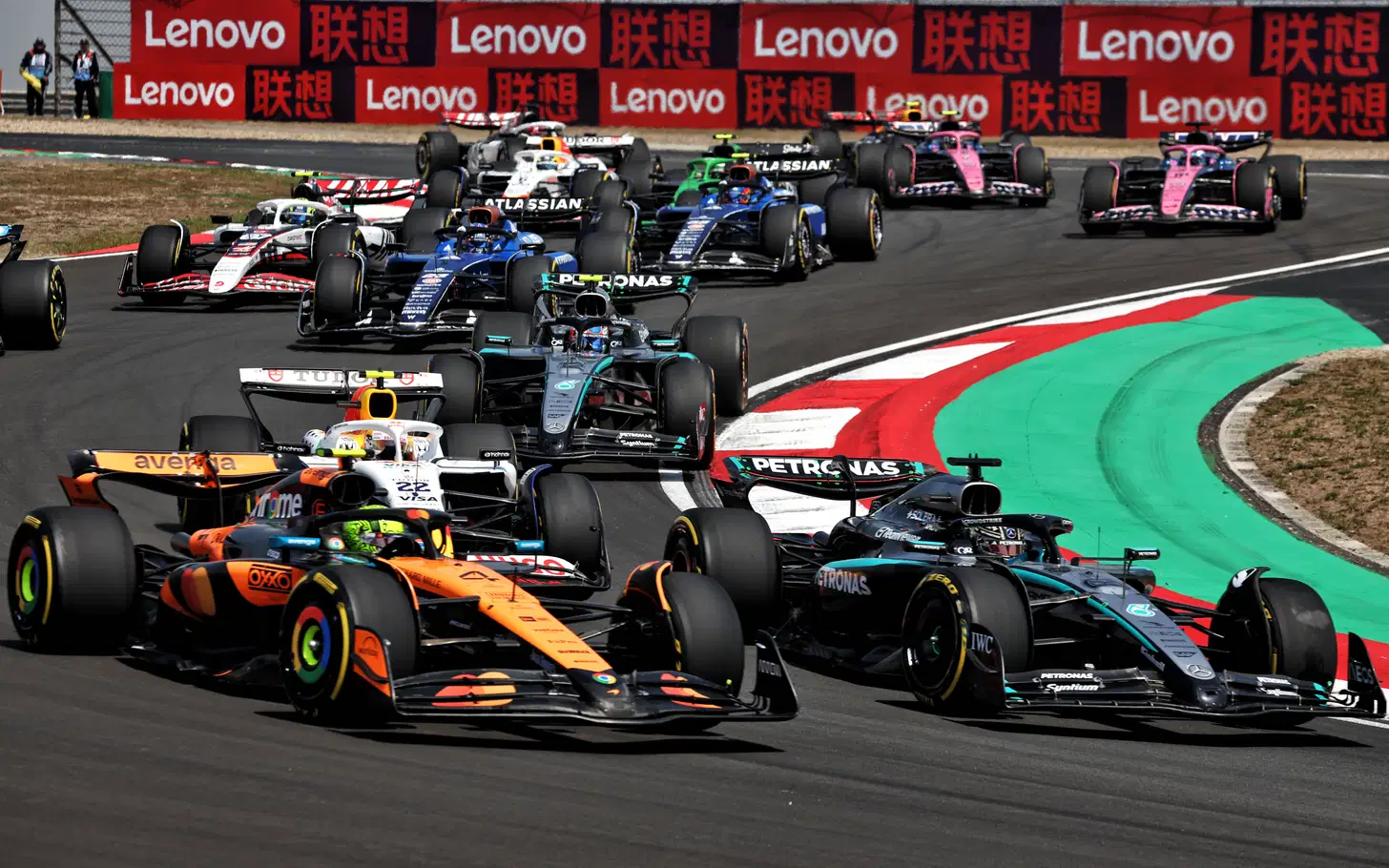
The situation was particularly noticeable for Isack Hadjar, who had begun the race in a strong position. Starting from third place on the grid, he initially appeared well placed to challenge the leading drivers. However, during the first lap he lost two positions, falling behind rivals including Arvid Lindblad and Lewis Hamilton. The lack of available battery power contributed to this loss of momentum and made it harder for him to defend his position in the early stages of the race.
While Verstappen’s race circumstances were slightly different, he was also affected by the same issue. Even though he managed to make some progress during the opening lap, the absence of stored electrical energy still limited his ability to fully exploit the car’s performance potential at the start. In a race environment where drivers rely heavily on the hybrid system’s additional power, beginning the race without battery support can hinder acceleration and strategic positioning.
Mekies explained that the unusual driving patterns used during the formation lap were a key factor in draining the battery. Drivers constantly alternate between acceleration and braking in order to generate heat in the brakes and tires. These actions, while necessary for preparing the car, can also affect how energy is harvested and deployed within the power unit system. In Red Bull’s case, these repeated actions left the car unable to reach the desired battery charge level before the race began.
As a result, the team had to spend the early part of the race rebuilding the battery’s energy reserves. Instead of immediately benefiting from stored electrical power, the drivers had to gradually recharge the battery during the first lap and subsequent stages of the race. This meant that the full performance potential of the car was temporarily unavailable, making the opening phase of the race particularly challenging.
Mekies openly admitted that if Red Bull was the only team affected by this scenario, it suggested that the team had not managed the situation well enough. He acknowledged that other teams likely handled the formation lap energy management more effectively, ensuring their drivers started the race with sufficient battery charge. In Formula 1, such small operational differences can have a significant impact on race performance.
The incident also highlights how complex the modern Formula 1 power units have become. Unlike earlier eras of the sport, where engine power was largely mechanical, today’s cars depend heavily on hybrid systems that integrate electrical components, battery storage, and sophisticated energy recovery systems. Managing these systems requires precise coordination between the drivers and the engineering team, as even minor miscalculations can lead to performance setbacks.
Despite the mistake, the team views the incident as a learning experience. The current Formula 1 regulations and technological developments mean that teams are still adapting to new scenarios and operational challenges. Hadjar himself later suggested that the situation was not necessarily a mechanical failure but rather an aspect of managing the car within the evolving regulatory framework. This implies that both the drivers and the team will work together to refine their approach in future races.
Ultimately, the error serves as a reminder that success in Formula 1 depends not only on driver skill and car speed but also on meticulous operational execution. Even a small oversight—such as mismanaging battery charge during the formation lap—can have noticeable consequences once the race begins. For Red Bull, the experience will likely lead to adjustments in procedures to ensure that both drivers start future races with fully optimized energy systems.