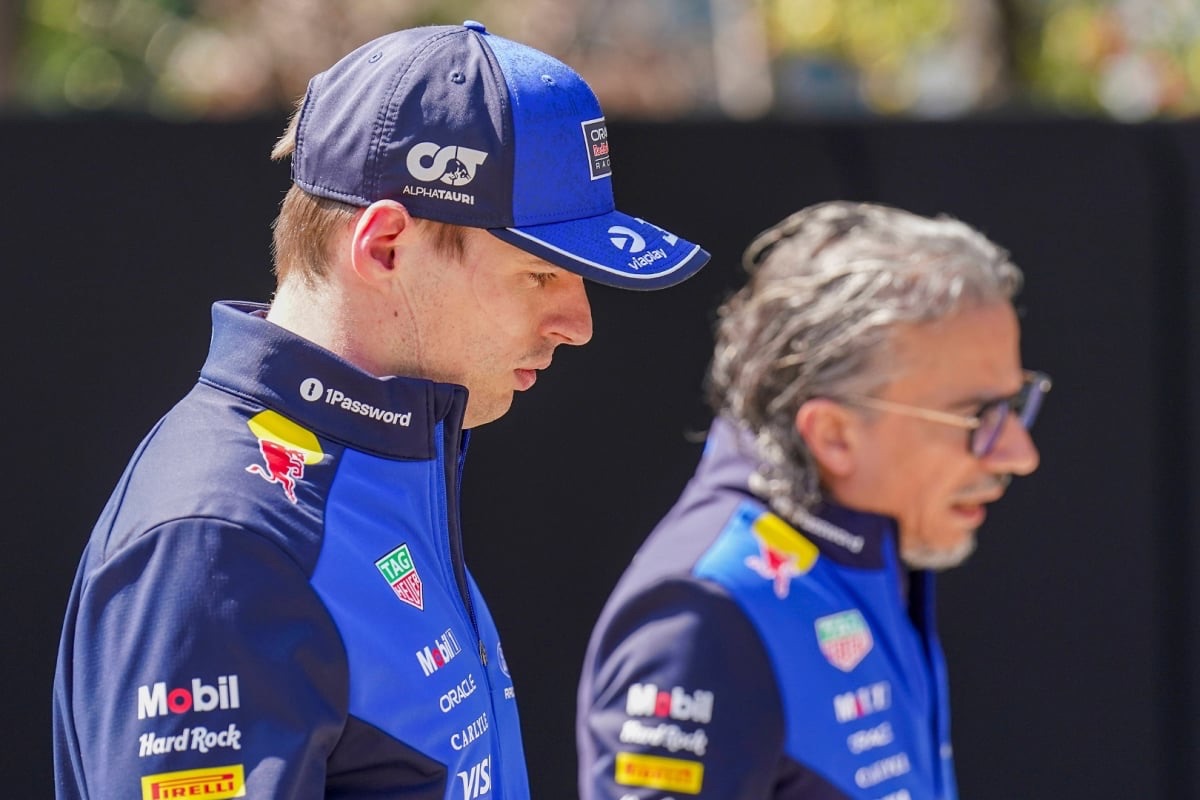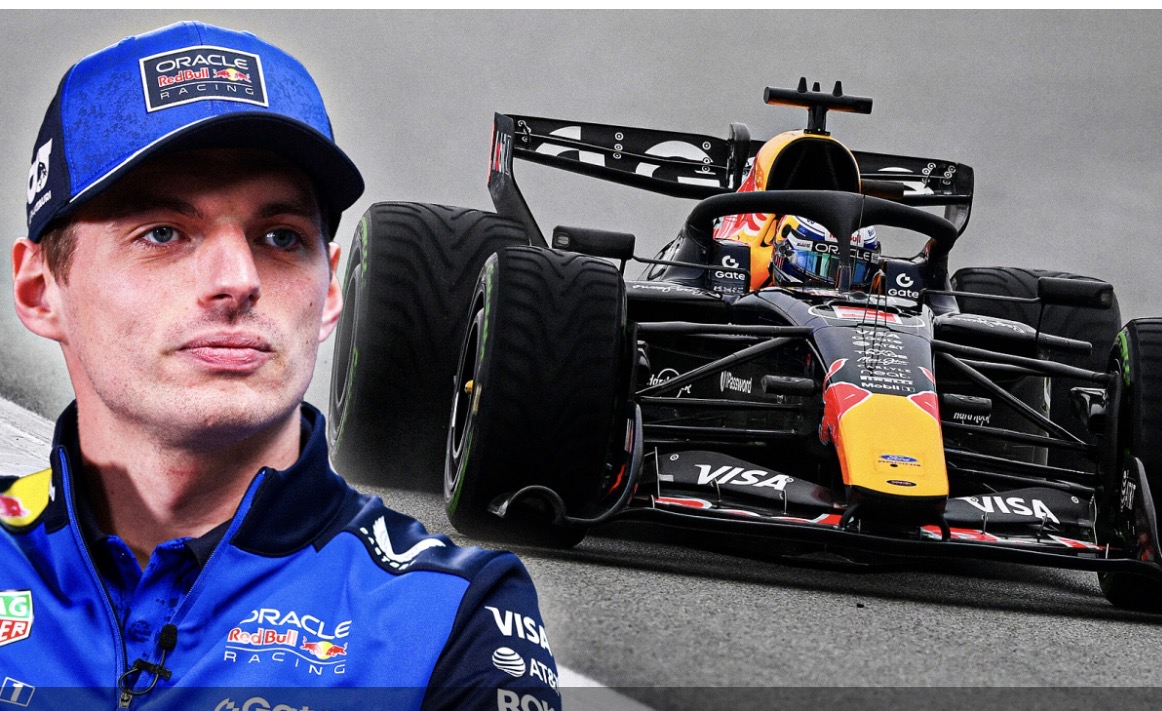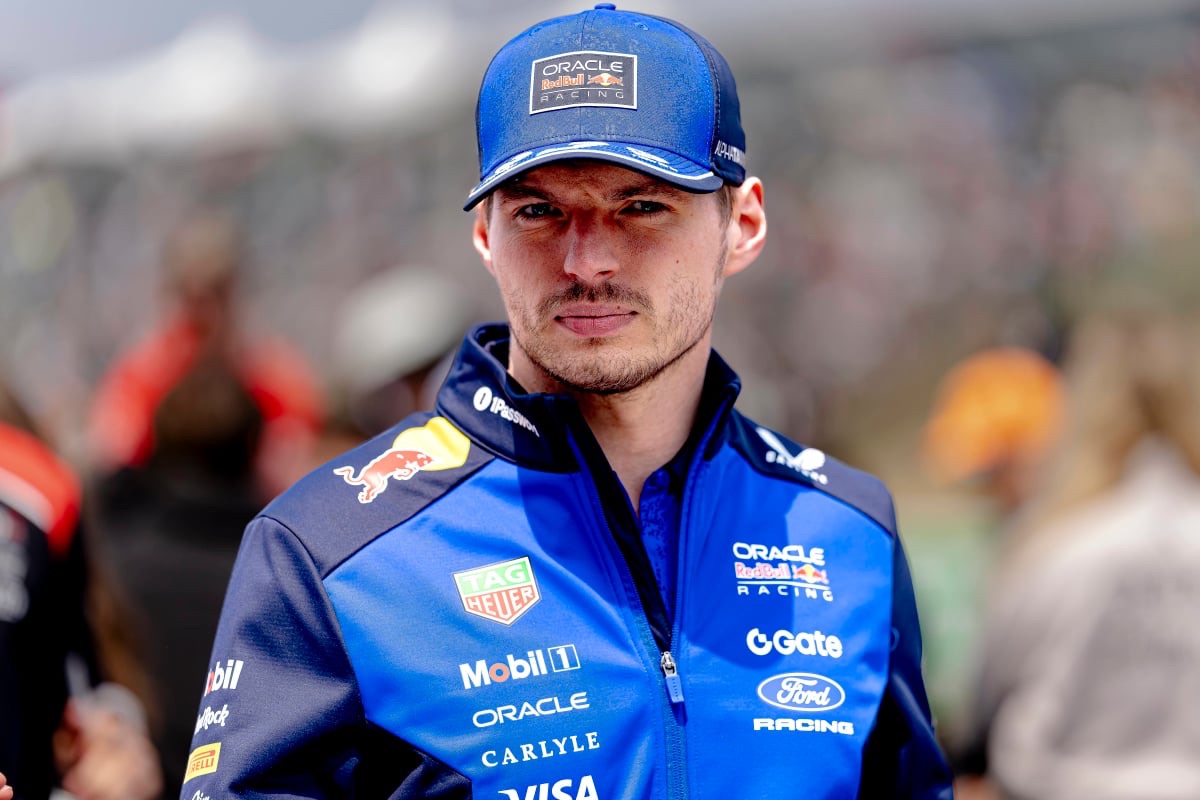
Red Bull Racing team principal Laurent Mekies has outlined a clear strategy aimed at keeping Max Verstappen motivated and satisfied, as speculation continues to grow over the Dutch driver’s long-term future in Formula One.
Recent reports have suggested that Verstappen is seriously weighing up the possibility of stepping away from the sport, following a difficult start to the current season. The reigning world champion has found himself far from the dominant position he enjoyed in previous campaigns, with both performance issues and regulatory frustrations contributing to his concerns.
At the latest round of the championship, the Japanese Grand Prix, Verstappen endured another disappointing outing. His weekend took a downturn early on when he was eliminated in Q2 during qualifying, leaving him out of contention for a strong grid position. The race itself offered little improvement, as he could only recover to finish eighth — a result that underlined the current struggles of the Red Bull package.
Perhaps more troubling for the team was the fact that Verstappen’s car lacked the pace to compete with rivals on the straights. He finished behind Pierre Gasly, who delivered an impressive performance for Alpine F1 Team. Gasly, a former Red Bull driver, was able to hold off Verstappen despite pressure, with Alpine demonstrating superior straight-line speed — an area where Red Bull has recently appeared vulnerable.
Beyond the raw performance deficit, Verstappen has also voiced dissatisfaction with the current generation of Formula One cars. Speaking after the race, he criticized the regulations, describing them as “anti-racing” and suggesting they limit drivers’ ability to push and compete freely on track. These comments have only added fuel to ongoing rumours that he could consider an early retirement if the situation does not improve.
However, Mekies remains focused on a straightforward solution: improving the car. According to the Red Bull team boss, internal discussions are not centered on Verstappen’s future or potential exit, but rather on restoring competitiveness. He emphasized that giving Verstappen a faster and more responsive car would naturally resolve much of the frustration.
Mekies explained that the team’s priority is purely performance-based. By delivering a car capable of fighting at the front and allowing Verstappen to fully exploit his driving skills, he believes the Dutchman’s happiness and commitment will follow. In his view, Verstappen’s dissatisfaction stems primarily from the inability to compete at the level he expects, rather than any deeper desire to leave the sport.
Looking ahead, Mekies also acknowledged that some of the challenges stem from the sport’s evolving regulations. While the new rules have introduced positive elements, they have also created complications that teams and drivers are still adapting to. He revealed that discussions among teams are planned during the upcoming break, with the aim of refining certain aspects of the regulations to improve racing quality.
For Red Bull, the path forward is clear but demanding. The team must close the performance gap to its rivals and address weaknesses that have been exposed in recent races. Only then can they hope to restore Verstappen’s confidence and secure his long-term future within the sport.
As things stand, Verstappen’s situation remains one of the most closely watched storylines in Formula One. Whether Red Bull can deliver the improvements needed — and quickly enough — may ultimately determine whether the sport retains one of its brightest stars or faces the prospect of an early and unexpected departure.