Red Bull F1 Confirms Power Unit Name Change Ahead of Landmark 2026 Season
Red Bull Racing have officially confirmed a significant name change to a core component of their Formula One operation ahead of the sport’s transformational 2026 season. While the team itself will continue to compete under its existing identity, the rebranding affects the power unit that will sit at the heart of its next-generation car.
The confirmation comes only weeks after the conclusion of a dramatic 2025 Formula One season, which ended with a tense title-deciding showdown in Abu Dhabi. Although the final race has barely faded into memory, attention across the paddock has already shifted firmly toward 2026 — a year set to usher in some of the most sweeping changes the championship has seen in decades.
Formula One’s 2026 regulations will introduce a radically revised technical framework, including new chassis and power unit rules, alongside the arrival of an 11th team on the grid. One of the most notable sporting changes will see the long-standing Drag Reduction System (DRS) scrapped, replaced by three new aerodynamic deployment modes designed to improve overtaking and racing quality.
Amid these wide-ranging developments, Red Bull have announced a key internal update tied to their long-term future in the sport. For the first time since making their Formula One debut in 2005, the Milton Keynes-based outfit will compete using a fully in-house power unit when the new regulations take effect.
Red Bull’s move into engine manufacturing represents a historic shift for the team. Over the past two decades, they have relied on a variety of customer engines, including partnerships with Cosworth, Renault, and Honda. From 2026 onwards, however, Red Bull will design, develop, and produce their own power units through their dedicated engine division.
This ambitious project is being undertaken in collaboration with American automotive giant Ford, marking Ford’s return to Formula One at the highest level. Until now, the power unit had been referred to as “Red Bull Powertrains-Ford,” following an earlier phase when the division operated simply as Red Bull Powertrains.
Ahead of the new era, the team has opted to streamline the branding. From the 2026 season onward, the power unit will officially be known as Red Bull Ford, a move intended to simplify naming conventions and strengthen the visibility of the partnership between the two brands.
While the engine name will change, Red Bull have confirmed that their official Formula One team name will remain unchanged. The squad will continue to race under the title Oracle Red Bull Racing, maintaining continuity in branding and sponsorship as they enter the new regulatory cycle.
Similarly, the team will remain registered under their existing company name, Red Bull Racing Limited, ensuring no changes to their formal entry within the championship.
The Red Bull–Ford collaboration is not entirely new. The two brands have previously worked together on special projects, including a joint livery created for Chloe Chambers during the 2025 F1 Academy season. That partnership sparked excitement among fans, many of whom went on to design speculative liveries imagining how a full Red Bull–Ford Formula One car might look.
With the engine project now moving closer to its competitive debut, interest in the visual and technical identity of Red Bull’s 2026 challenger continues to grow.
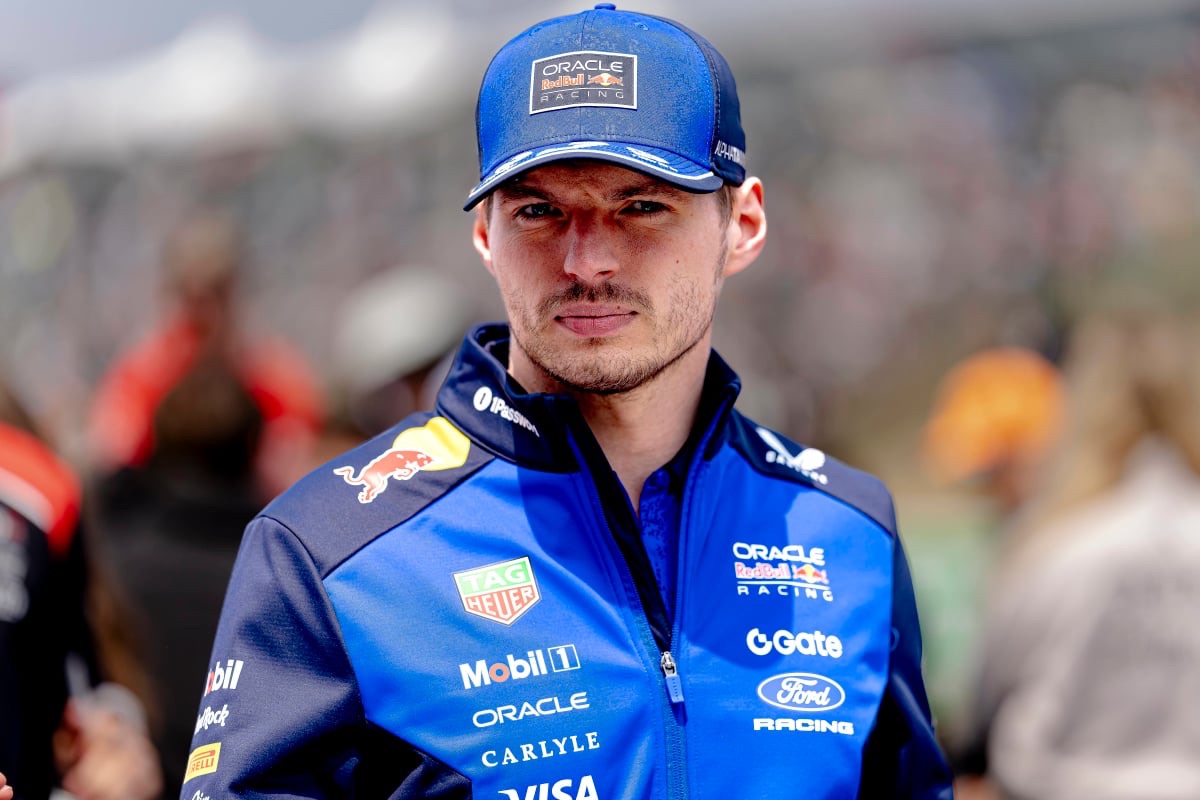
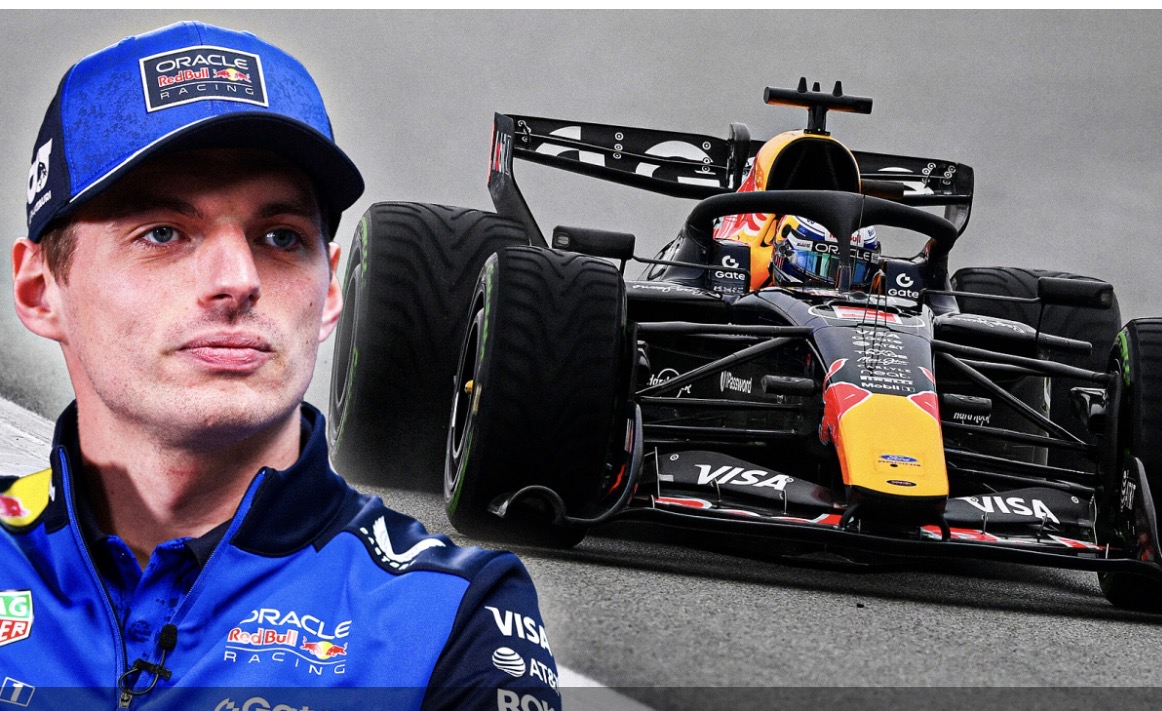
On the driver front, Red Bull will head into the new era with reigning star Max Verstappen still leading the team. The four-time world champion remains central to Red Bull’s long-term plans as they embark on their most ambitious technical challenge yet.
Joining Verstappen will be newly promoted Isack Hadjar, who steps up to the senior Red Bull squad after progressing through the team’s junior structure. The pairing reflects Red Bull’s continued commitment to combining proven excellence with emerging talent.
Red Bull’s sister team, Racing Bulls, will also benefit from the new Red Bull Ford power unit in 2026. Their driver lineup is set to feature Liam Lawson alongside highly rated rookie Arvid Lindblad, further underlining the organisation’s focus on youth development.
As Formula One prepares for a bold new chapter, Red Bull’s engine rebranding marks another important milestone in their evolution from energy drink-backed newcomers to fully integrated manufacturer. With regulation changes, new technology, and fresh partnerships all converging in 2026, the stage is set for one of the most intriguing seasons in the sport’s history.