Red Bull F1 Figure Breaks Silence After Shock Fake Death Claim Circulates Online
A prominent figure from Red Bull’s Formula 1 history has been forced into the bizarre position of publicly confirming he is still alive, after a false social media post claimed he had died.
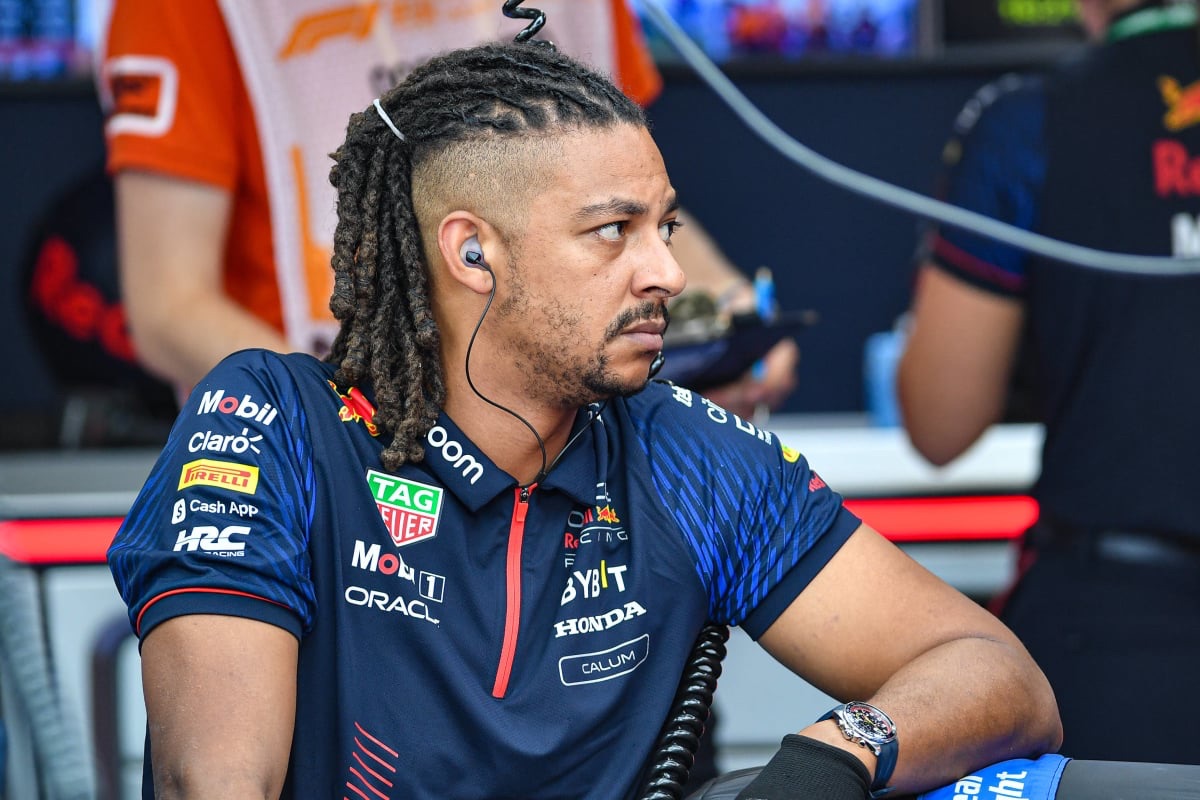
Former Red Bull F1 mechanic Calum Nicholas, one of the most recognisable faces from the Milton Keynes team’s garage over the past decade, addressed the alarming rumour after it began circulating on Facebook. The post, which falsely announced his death, spread quickly enough to prompt concerned messages from fans and acquaintances alike.
Nicholas, known not just for his technical expertise but also for his candid personality and growing media presence, took to X (formerly Twitter) to shut down the claim with a mix of disbelief and trademark humour.
“This is an odd thing to have to tweet,” Nicholas wrote. “I woke up this morning to a few messages from people who’d seen a Facebook post claiming I had died.”
He left no room for ambiguity in his response.
“This is factually incorrect,” he added. “To the disappointment of many, I’m sure, I am very much still alive (at least, physically).”
Injecting a darkly comic edge into the situation, Nicholas joked that he was heading off skiing later that day, quipping: “I am going skiing today though, so there’s hope for you yet.”
He signed off with a pointed reminder that resonates far beyond this single incident: “Have a great day. Don’t believe everything you read on the internet.”
A Familiar Face Beyond the Pit Wall
Nicholas spent ten years embedded in Red Bull Racing’s F1 operation, rising to the role of senior engine technician during one of the most dominant periods in the team’s history. Working behind the scenes through championship-winning seasons, he became a familiar figure to fans thanks to Red Bull’s increasingly open media strategy.
After stepping away from day-to-day life in the paddock, Nicholas transitioned into an ambassadorial role for the team, maintaining close ties with Red Bull while expanding his profile beyond the garage. His memoir, Life in the Pitlane, offered an unfiltered look at the pressures, personalities, and realities of working at the sharp end of Formula 1.
The book, alongside frequent media appearances and podcast features, elevated Nicholas from a respected insider to a widely recognised voice within the sport. That growing visibility, however, has also made him a more obvious target for misinformation and online toxicity.
A Symptom of a Bigger Problem in F1
While the fake death claim may sound absurd, it underscores a much wider issue that Formula 1 continues to grapple with: the rapid spread of misinformation and abuse online.
Social media toxicity became a major talking point toward the end of the 2025 season, following a disturbing wave of abuse directed at Mercedes rookie Kimi Antonelli. The young Italian driver was subjected to vile messages and even death threats after an on-track incident at the Qatar Grand Prix.
Antonelli made a mistake late in the race that allowed McLaren’s Lando Norris through, a moment that quickly became a flashpoint. Red Bull figures Gianpiero Lambiase and Helmut Marko initially suggested the error may have been deliberate, a claim that inflamed tensions and fuelled online outrage.
Although Red Bull later issued an apology and admitted there was no evidence whatsoever to suggest Antonelli’s move was intentional, the damage had already been done. Abuse flooded Antonelli’s social media channels in the days that followed.
Mercedes responded by launching an internal review of the threats and harassment aimed at their driver. The findings were deeply concerning, with the team identifying more than 1,100 comments classified as “severe or suspect” across Antonelli’s online platforms.
The Human Cost of Online Rumours
Nicholas’ experience, while far less threatening, highlights how easily false narratives can take on a life of their own in the digital age. A single fabricated post was enough to cause confusion, concern, and force a public response from someone simply trying to go about their day.
In a sport increasingly driven by engagement, outrage, and instant reactions, Nicholas’ closing message struck a nerve. His reminder not to accept everything at face value feels particularly relevant as Formula 1 continues to expand its global audience — and its exposure to the darker side of social media.
For now, Calum Nicholas remains very much alive, skiing plans and all. But the incident serves as another warning sign that, behind the glamour and spectacle of F1, real people continue to bear the consequences of online misinformation.