Red Bull F1 Insider Forced to Deny His Own “Death” After Viral Online Hoax
A long-time and well-known figure from Red Bull Racing’s Formula 1 operation has been pushed into one of the strangest situations imaginable — publicly confirming that he is still alive.
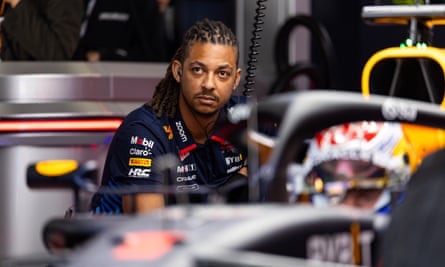
Calum Nicholas, a former Red Bull F1 mechanic and one of the most recognisable faces in the team’s garage over the past decade, was forced to respond after a false claim announcing his death began circulating online. The fabricated report, shared on Facebook, spread rapidly enough to alarm fans, friends, and colleagues, many of whom reached out to Nicholas in confusion and concern.
What began as a bizarre social media post quickly escalated into something Nicholas felt compelled to address personally.
Taking to X, formerly Twitter, Nicholas responded with disbelief, humour, and a sharp reminder about the dangers of misinformation.
“This is a very odd thing to have to tweet,” he wrote. “I woke up this morning to a few messages from people who’d seen a Facebook post claiming I had died.”
He then shut the rumour down decisively.
“This is not true,” Nicholas continued. “To the disappointment of many, I’m sure, I am very much still alive — at least physically.”
Maintaining his trademark dry wit, Nicholas added a tongue-in-cheek note about his plans for the day, joking that he was heading out skiing and quipping: “So there’s still hope for you yet.”
He ended the post with a message that resonated far beyond his own experience: “Have a great day. And don’t believe everything you read on the internet.”
From the Garage to the Spotlight
Nicholas spent ten years working inside Red Bull Racing’s Formula 1 setup during one of the most successful eras in the team’s history. Rising to the position of senior engine technician, he was a key part of Red Bull’s championship-winning machine, working behind the scenes through multiple title-winning campaigns.
As Red Bull embraced a more open and fan-focused media strategy, Nicholas became a familiar and popular figure among F1 followers. His straight-talking personality, willingness to speak openly about life in the paddock, and growing presence in team content made him one of the most recognisable non-driver figures in the sport.
After stepping away from full-time garage duties, Nicholas transitioned into an ambassadorial role with Red Bull. At the same time, he expanded his profile across media platforms, offering insight into the realities of elite motorsport life.
His memoir, Life in the Pitlane, lifted the curtain on the pressure, personalities, and intensity of working at the very top of Formula 1. The book, combined with regular podcast appearances and interviews, transformed Nicholas from a respected insider into a prominent public voice within the sport.
That increased visibility, however, also comes with downsides.
A Growing Misinformation Problem in Formula 1
While the fake death claim was ultimately harmless, it highlights a wider and increasingly troubling issue facing Formula 1 — the speed at which false information spreads online, often with little accountability.
Social media abuse and misinformation became a major talking point toward the end of the 2025 season following a disturbing wave of online harassment aimed at Mercedes rookie Kimi Antonelli.
The young Italian driver was targeted with vile messages and even death threats after a late-race incident at the Qatar Grand Prix. Antonelli’s mistake allowed McLaren’s Lando Norris through, a moment that quickly escalated into a toxic online backlash.
Comments from Red Bull figures Gianpiero Lambiase and Helmut Marko initially suggested the move may have been deliberate — claims that poured fuel on the fire. Although Red Bull later apologised and admitted there was no evidence whatsoever to support the accusation, the damage had already been done.
Antonelli’s social media accounts were flooded with abuse in the days that followed.
Mercedes subsequently conducted an internal review into the threats aimed at their driver. The results were alarming, with more than 1,100 comments flagged as “severe or suspect” across Antonelli’s platforms.
The Human Impact Behind the Headlines
Compared to that ordeal, Nicholas’ experience may seem light-hearted. But it still serves as a reminder of how easily false narratives can spiral in the digital age.
A single fabricated post was enough to spread panic, spark confusion, and force a public response from someone simply trying to live his life. It underlines the reality that, behind the spectacle of Formula 1, real people are increasingly exposed to the consequences of online misinformation.
For now, Calum Nicholas remains very much alive — skiing plans included. But his surreal experience stands as another warning sign for a sport navigating the darker side of its ever-expanding online audience.