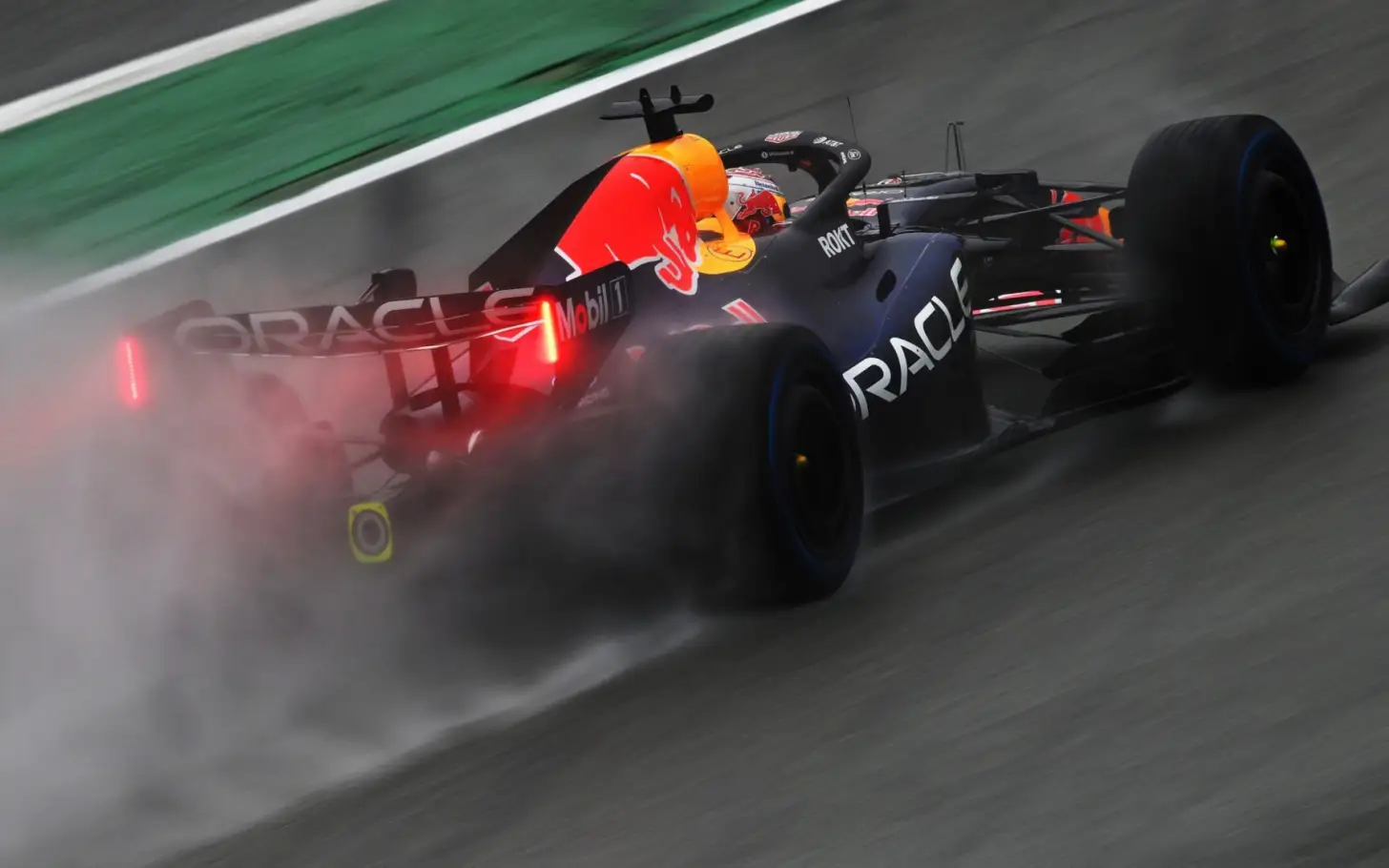
Red Bull Breaks the Mold With Radical New Engine Division for 2026
Red Bull’s ambitious move into Formula 1 engine manufacturing has been described as building an “evolving beast,” according to the head of its new power unit operation, who has outlined the scale and intensity of creating a department from the ground up ahead of the 2026 regulation changes.
With the new F1 engine rules arriving in 2026, Red Bull Powertrains (RBPT) will officially become the works power unit supplier for the Red Bull teams. The division was originally formed in 2022 as part of a long-term strategy to take control of engine development rather than relying on an external manufacturer. This makes Red Bull the first modern-era independent team — not traditionally a car manufacturer — to design and produce its own Formula 1 power unit in the 21st century.
RBPT chief Ben Hodgkinson has explained that the challenge has extended far beyond simply designing a competitive engine. According to him, the project required constructing an entire organization, culture, and workflow from scratch — all while racing against tight development deadlines.
He said the original appeal of the project came from the rare opportunity to begin with a clean slate. Instead of inheriting legacy systems and processes, the team could design both the technical package and the company structure specifically around the upcoming regulations. That freedom offered potential advantages, but the true scale of the task only became clear once work began.
What started as a very small group quickly expanded at an aggressive pace. In the earliest phase, only a handful of staff worked out of a modest office before the main facilities were completed. Recruitment then accelerated rapidly, with dozens of new hires joining month after month. Hodgkinson noted that roles shifted constantly in those early stages, with individuals often handling multiple responsibilities at once — from design to procurement to assembly — until specialized staff arrived to take over those duties.
He described the project as continuously changing shape as it grew, comparing it to a living organism that kept developing while already in motion. At the same time, leadership had to ensure that the expanding workforce aligned with Red Bull’s high-performance culture and working style. Integrating experts recruited from rival teams and different engineering backgrounds added further complexity, but also created unexpected strengths.
That mix of experiences and viewpoints produced what Hodgkinson called strong “cognitive diversity” within the group. Engineers and specialists brought different methods and problem-solving approaches, which helped generate creative solutions and fresh thinking. While he admitted that such diversity wasn’t originally the result of a grand masterplan, it has turned into one of the project’s biggest advantages.
He suggested that the boldness of the undertaking naturally attracted a certain personality type. Because building a brand-new F1 engine operation carries obvious risk, it tended to draw people who were comfortable with uncertainty and motivated by big challenges. More risk-averse candidates often chose to remain in established organizations, while those eager to push boundaries were more likely to join Red Bull’s venture. That self-selection, he said, helped create a workforce that fits the team’s aggressive innovation mindset.
The rapid build-up has also required balancing long-term research with immediate performance targets, as development timelines in Formula 1 leave little room for delay. Facilities, test equipment, simulation tools, and manufacturing capability all had to be created alongside the engine program itself. Despite the pressure, Hodgkinson characterized the four-year journey so far as both demanding and energizing.
As the 2026 season approaches, Red Bull Powertrains stands as one of the most unusual and closely watched technical projects in the paddock. Whether the gamble pays off competitively remains to be seen, but internally, the operation has already transformed from a five-person startup into a major engineering force — one that continues to grow and adapt as its “evolving beast” takes final shape.